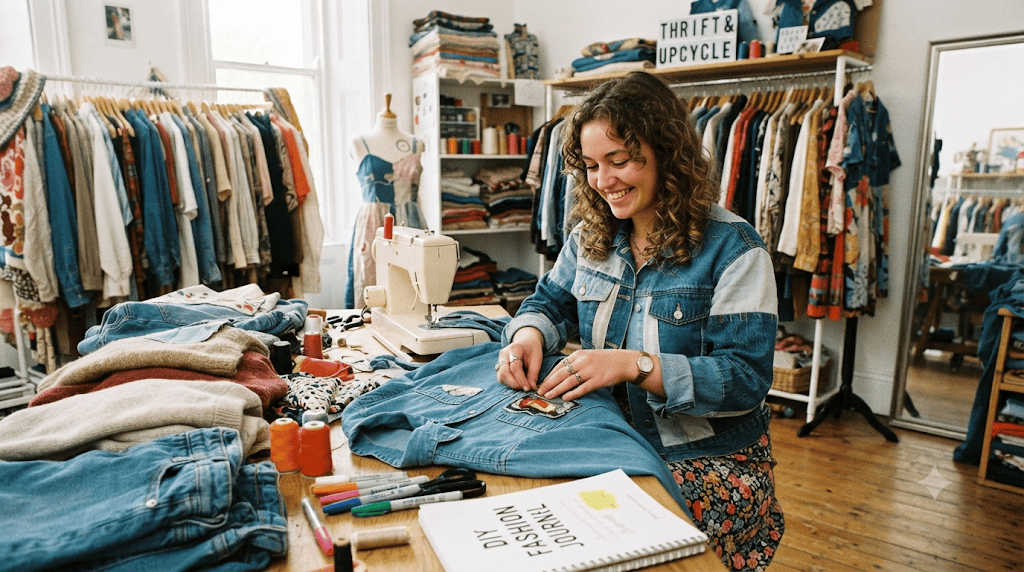
Thrifting has a learning curve that puts a lot of first-timers off after one overwhelming visit. But once you know what to look for, second-hand shopping becomes less of a gamble and more of a genuinely useful skill — for your wardrobe and for the environment.
Why Thrifting Is Worth Learning
Buying second-hand extends the life of garments that would otherwise be discarded, reducing the demand that drives fast fashion’s resource-heavy production cycle. It’s also often significantly cheaper than buying new, especially for well-made pieces that have simply gone out of a previous owner’s rotation.
Where to Start Looking
Local thrift and second-hand stores, online resale marketplaces, and even neighborhood clothing exchange groups are all reasonable starting points. Online platforms are often easier for beginners since you can search by size and category, rather than digging through a physical rack blind.
What to Check Before Buying
- Fabric quality — natural fibers tend to hold up better over time than cheap synthetics, even second-hand
- Seams and stitching — check for loose threads or stress points that suggest the garment won’t last much longer
- Fit potential — a slightly oversized piece is often more alterable than one that’s too tight
- Stains and odors — some are treatable, others aren’t; a quick honest check saves disappointment later
Don’t Expect to Find Everything at Once
Thrifting isn’t like shopping with a specific item in mind — inventory is unpredictable. Going in with a loose idea (“a denim jacket, something in blue”) rather than an exact requirement makes the process far less frustrating for beginners.
Basic Upcycling Ideas to Try
- Cropping or hemming an oversized piece to fit better
- Dyeing faded garments to refresh the color
- Patchwork repairs on small tears, turned into a visible design choice rather than hidden
- Repurposing fabric from unwearable garments into bags, cushion covers, or other household items
Building the Habit Gradually
Thrifting rewards patience more than urgency — treating it as an occasional, low-pressure activity rather than a one-time shopping trip with a strict list tends to produce better finds and a more enjoyable experience overall.
Bottom Line
Thrifting and upcycling aren’t about giving up on personal style — they’re about building it more sustainably, one intentional find at a time. The learning curve flattens quickly once you know what to check for and stop expecting every trip to be a perfect match.

