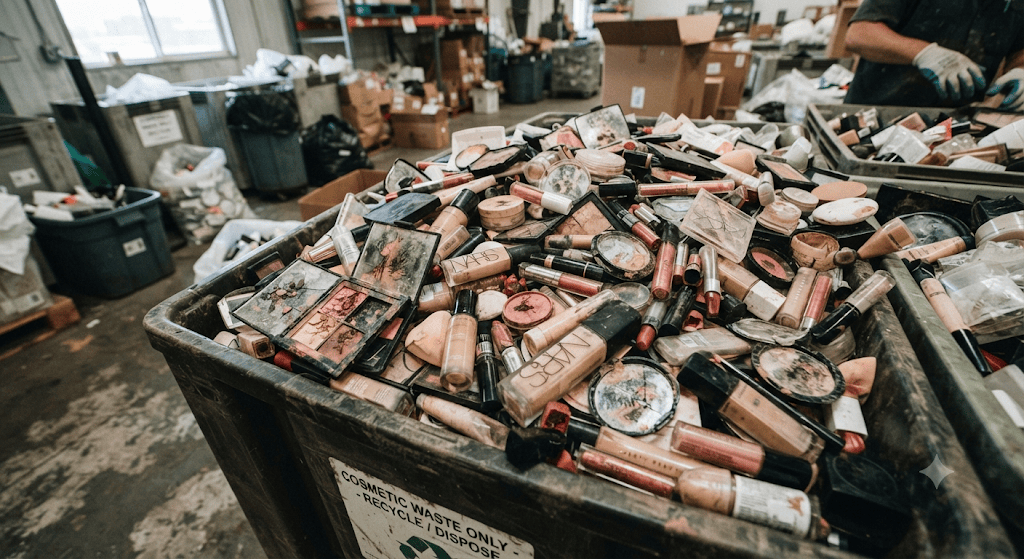
Fast fashion gets most of the criticism, but the beauty industry runs on a nearly identical model — cheap, frequently replaced products, endless new launches, and packaging designed to be thrown away, not reused. “Fast beauty” is the quieter cousin of fast fashion, and its environmental footprint deserves just as much attention.
The Packaging Problem
Skincare and makeup packaging is notoriously hard to recycle. Small plastic components, mixed materials (like a plastic tube with a metal cap), and leftover product residue mean most beauty packaging never actually makes it through standard recycling systems, even when it carries a recycling symbol.
The “Empties” Culture
Social media has turned finishing a product into content — “empties” videos and hauls celebrate rapid consumption as a lifestyle. This normalizes buying and discarding at a pace that has little to do with actual need, driven more by trend cycles than genuinely running out of something.
Ingredients Have a Footprint Too
Beyond packaging, many beauty ingredients carry their own environmental cost — palm oil linked to deforestation, mica linked to unregulated mining, and synthetic microbeads that persist in waterways long after they’re washed down the drain.
Expiry-Driven Waste
Skincare and makeup have shorter shelf lives than most products people own, and much of what’s purchased is never fully used before it expires or goes out of trend. Half-used products piling up in drawers is its own quiet form of waste.
What a Lighter Beauty Routine Looks Like
- Buy what you’ll actually finish, not what’s trending this week
- Choose multi-use products over single-purpose items that duplicate what you already own
- Look for refillable packaging, which is slowly becoming more available from larger brands
- Support brands with take-back or recycling programs, where empties are collected and properly processed
- Resist the urge to constantly rotate — a smaller, well-used collection beats a large, half-finished one
Bottom Line
Beauty products aren’t going away, and they don’t need to. But the pace at which they’re bought, used, and discarded is where the real environmental cost lies. A slower, more intentional approach to skincare and makeup doesn’t mean giving anything up — it just means using what you already have a little more fully before reaching for the next thing.

