If you’re in Delhi NCR and craving a break from concrete and traffic, you don’t need to travel far. Sultanpur National Park, in Gurugram district, is one of the region’s best-kept eco-tourism gems — and it makes for a perfect one-day or half-day weekend trip.
About the Park
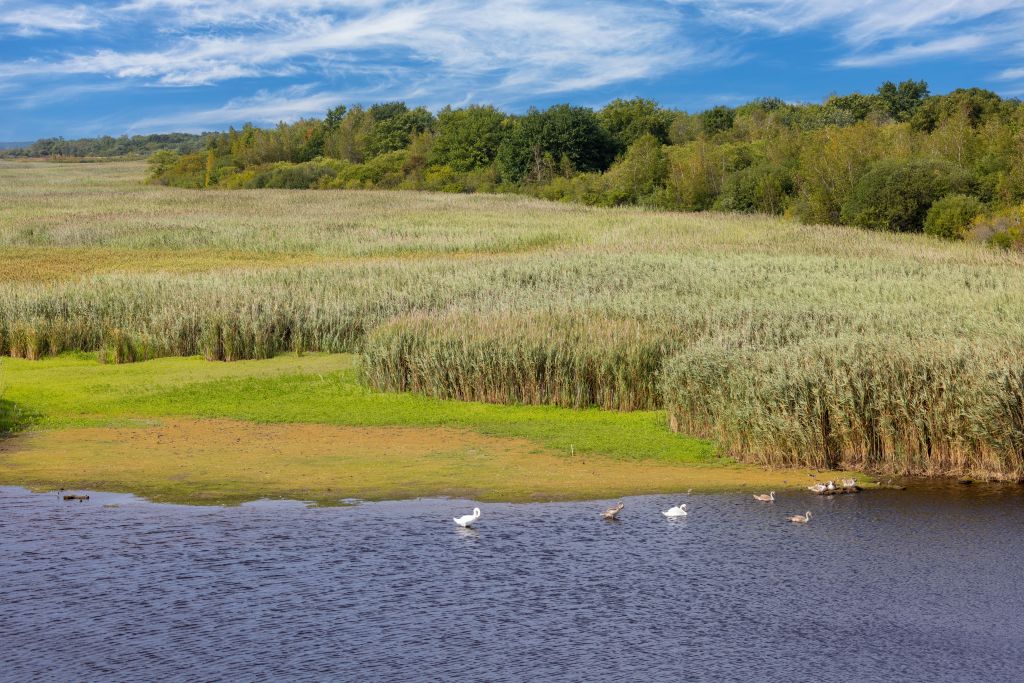
Sultanpur is a wetland sanctuary spread across roughly 142 hectares, located about 15 km from Gurugram and around 50 km from Delhi on the Gurgaon–Farukh Nagar Road. It began as a bird sanctuary in the early 1970s after ornithologist Dr. Salim Ali flagged the wetland’s ecological importance to the Haryana government, and it was upgraded to national park status in 1989. Today, it holds the distinction of being Haryana’s first Ramsar-designated wetland — a mark of international recognition for wetland conservation.
What You’ll See
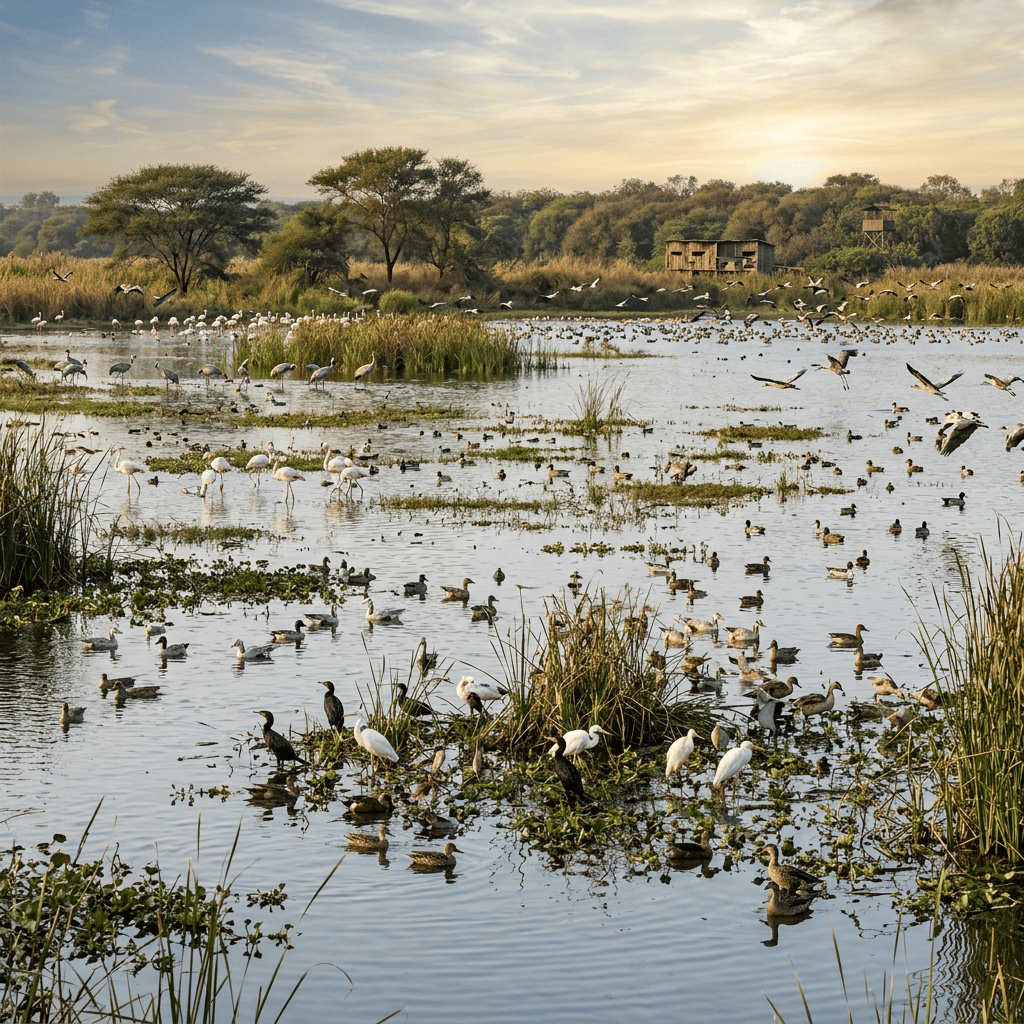
The park is home to over 250 species of resident and migratory birds. Winter (roughly October to March) is peak season, when migratory visitors like Greater Flamingos, Northern Pintails, Eurasian Wigeons, and Bar-headed Geese arrive from as far as Central Asia and Siberia. Beyond birds, you may also spot jackals, mongooses, and nilgai (blue bulls) wandering the grounds.
Getting Around
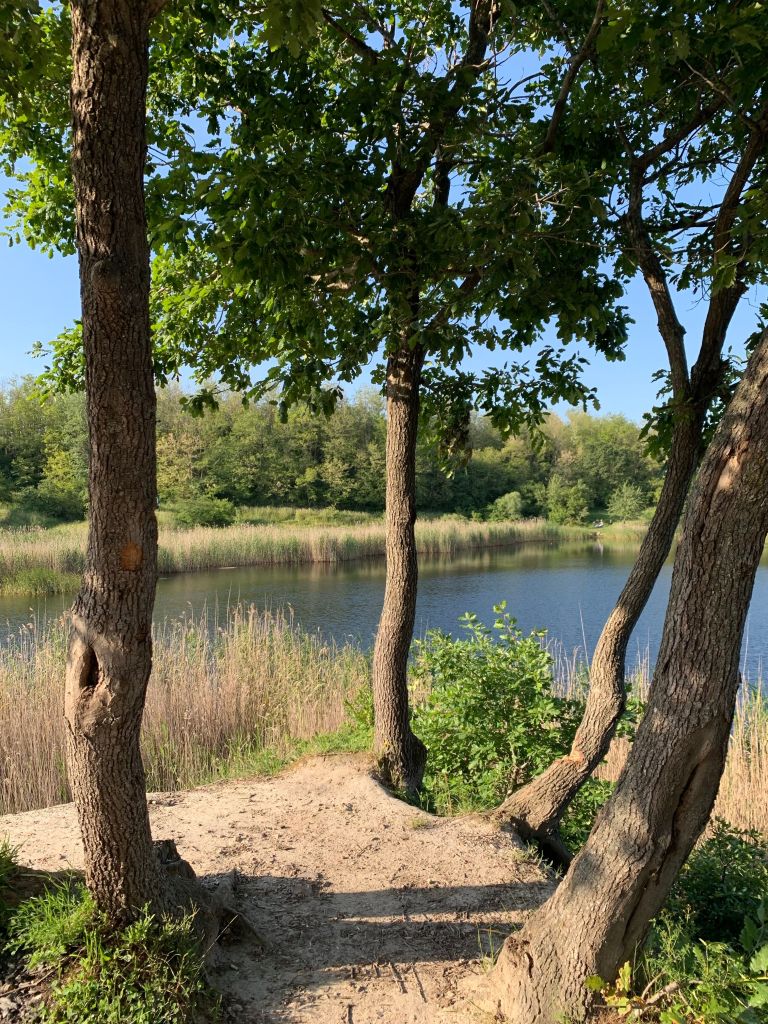
The park has a network of walking trails circling the central marsh, along with four watchtowers (machans) for uninterrupted birdwatching. There’s also an Educational Interpretation Centre for first-time visitors who want context on the ecosystem before heading out on the trails.
Weekend Plan
- Morning (7–10 AM): Best time for birdwatching, since birds are most active early. Carry binoculars if you have them.
- Mid-morning: Walk the marsh-side trails and climb a watchtower or two.
- Before noon: Head back before the sun gets too strong, especially outside winter months.
Practical Tips
- Entry has a nominal fee, with separate charges for camera equipment — check current rates before you go.
- The nearest railway stations are Gurugram, Garhi Harsaru, and Farrukhnagar; the nearest airport is Indira Gandhi International.
- Winter is the best season to visit; summers get hot, and monsoon can make some patches harder to access.
- Basic facilities like parking, toilets, and drinking water are available on site.
Why It’s Worth the Trip
You don’t always need a hill station or a beach for a proper reset. A few hours by a quiet wetland, watching flamingos wade through still water, does the job just as well — and it’s close enough to fit into a single weekend morning.