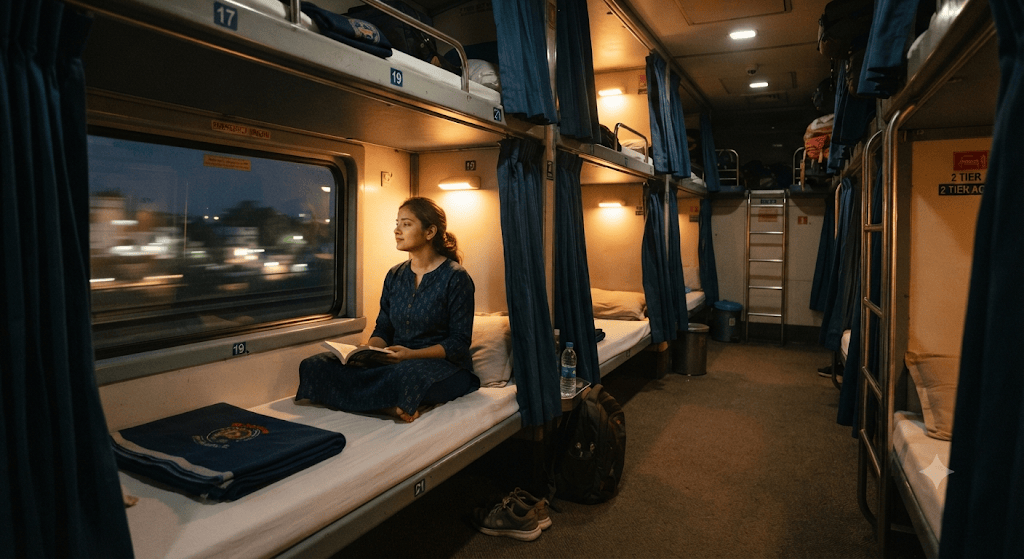
Night Trains in India: A Woman’s Guide to Sleeper and AC Coaches

First, a Fair Note

Safety shouldn’t depend only on a woman’s vigilance. But until systems improve everywhere, preparation helps. Millions of women use Indian Railways, so you’re far from alone.

Choosing Your Coach

  • AC coaches (3AC and 2AC) are generally quieter and more controlled than sleeper class
  • Ladies’ coaches exist on many suburban and some long-distance services
  • Lower berths are often easier for quick exits and for keeping bags in sight

Indian Railways also reserves a set of lower berths per coach in sleeper, 3AC and 2AC for senior citizens, women aged 45 and above and pregnant women, subject to availability.

Help You Can Actually Use

  • 139 is the railway helpline, integrated with the national emergency number 112 and available 24×7
  • Rail Madad lets you file complaints online or by app
  • Meri Saheli is a Railways initiative with dedicated women RPF teams focused on women travelling alone on long-distance trains
  • 1091 is the national women’s helpline

Save these before you board, not after.

Before You Board

  1. Share your train number, coach and berth with someone you trust
  2. Reach the platform early and locate your coach in daylight if possible
  3. Keep your phone charged and a power bank handy
  4. Use a small chain or cable lock for your bag

On Board

  • Note where the TTE, attendants and RPF escorts are during the journey
  • Keep valuables on your person, not under the berth
  • If someone makes you uncomfortable, change seats, speak to the staff or call 139 immediately
  • Trust your instincts; you don’t owe anyone politeness at the cost of safety

Bottom Line

A night train can be one of India’s best travel experiences. Choose your coach wisely, keep the helplines saved and remember that asking for help early is always the right call.
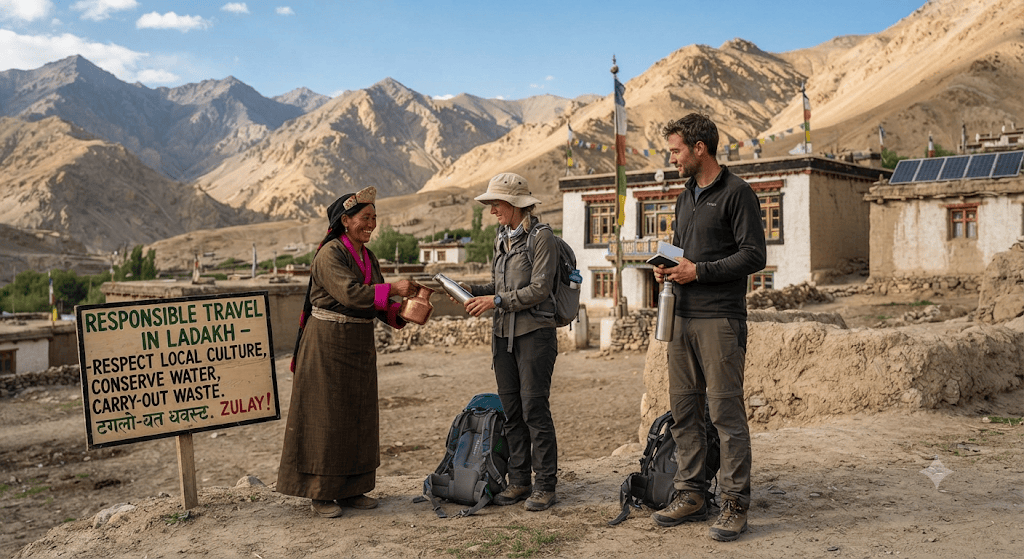

Responsible Travel in Ladakh: Water, Altitude and Local Culture

A Fragile Place With a Booming Visitor List

Ladakh sits in the Himalayan rain shadow and depends largely on glacier melt for water. Tourism has grown fast. One report notes that the 1980s saw only about two dozen hotels across Ladakh, while today there are several hundred, most of them in Leh. More bathrooms, more guesthouses and more visitors all draw on the same limited supply.

Water: The Biggest Issue

A study by the Ladakh Ecological Development Group found that an average Ladakhi uses about 21 litres of water a day, while a tourist may use as much as 75. Other estimates vary, but all point the same way: visitors use far more than residents.

What you can do:

  1. Take short, bucket-style baths instead of long showers
  2. Use local dry toilets where homestays offer them
  3. Carry a reusable bottle and refill it instead of buying plastic bottles
  4. Reuse leftover washing water for plants where you can

Altitude: Respect It

The Ladakh tourism department advises at least 48 hours of acclimatisation after arriving in Leh, plenty of fluids, light meals on day one, and avoiding sleeping pills or sedatives at altitude. Don’t rush to higher passes straight after landing, and descend if severe symptoms appear. If you plan to take altitude medication, speak to your doctor first.

Culture: You’re a Guest

Ladakh is home to a living Tibetan Buddhist culture. Ask before photographing people or monks, dress modestly at monasteries, walk clockwise around stupas and prayer wheels, and avoid touching religious objects.

Where You Stay Matters

Homestays keep money in local households and often use water more carefully than large hotels. They also give you home-cooked food and conversation that no hotel buffet can match.

Don’t Leave Plastic Behind

Plastic breaks down slowly at high altitude and can contaminate streams near popular spots. Carry your waste out with you.

Bottom Line

Ladakh doesn’t need fewer travellers so much as more thoughtful ones. Use less water, go slowly, stay local and leave the place as you found it.

What Traveling Alone After a Breakup Actually Teaches You

Why This Particular Kind of Trip Hits Different

A breakup trip isn’t about escaping, even though it can feel that way at first. It’s often the first extended stretch of time making only your own decisions — where to eat, when to wake up, what the day looks like — after months or years of compromise.

What You Learn in the First Few Days

The initial discomfort of eating alone, sitting alone, deciding alone can feel sharp. Most people report that this fades faster than expected — somewhere around day two or three, independence starts to feel less like loneliness and more like freedom.

The Unexpected Lessons

  • You’re better company for yourself than you thought. Silence on a solo trip isn’t empty — it’s often where clarity shows up.
  • Small decisions rebuild confidence. Choosing a restaurant, navigating a new city — these small wins add up to something bigger than the trip itself.
  • Grief and joy can coexist. You can miss someone and still have a genuinely good day. The trip doesn’t require you to be “over it.”
  • You don’t need permission to take up space. A meal for one, a hotel room for one — it stops feeling like a statement and starts feeling normal.

Making the Trip Work For You, Not Against You

  1. Choose a destination for yourself, not one tied to old shared plans
  2. Don’t over-schedule — leave room to just feel whatever comes up
  3. Journal if it helps, but don’t force reflection on a strict timetable
  4. Let some days be about distraction, and others about processing — both are valid

Bottom Line

A solo trip won’t fix a breakup. But it often does something almost as useful — it reminds you that your life, your choices and your company are enough on their own.

The Case for Taking a “No-Plan” Trip at Least Once

Why We Over-Plan

Planning feels like control — a way to make sure nothing goes wrong, nothing gets missed. But an itinerary built to prevent disappointment often also prevents discovery. The best meal, the best conversation, the best view often happen in the gaps a tight schedule doesn’t leave room for.

What a No-Plan Trip Actually Looks Like

It doesn’t mean zero preparation — book your first night’s stay and know roughly which region you’re headed to. Beyond that, let each day shape the next: ask locals what’s worth seeing, follow a street that looks interesting, stay an extra day somewhere that surprises you.

What You Gain

  • Real local recommendations instead of only algorithm-ranked ones
  • Flexibility to linger where you love it, skip what doesn’t excite you
  • Lower pressure — nothing is “wasted” if there was no fixed plan to deviate from
  • Sharper travel instincts that make future trips easier to plan, loosely

What to Expect (and Prepare For)

  • Some days will be less efficient than a planned trip
  • You may occasionally struggle to find accommodation on short notice in peak season
  • It asks for more comfort with uncertainty — which is also the point

How to Try It Without Full Chaos

  1. Pick a region with good transport connectivity as a safety net
  2. Carry a flexible return ticket
  3. Set a loose budget, not a loose itinerary
  4. Give yourself permission to change your mind mid-trip

Bottom Line

A no-plan trip trades certainty for discovery. Try it once, and you may find the version of the destination an itinerary would never have shown you.

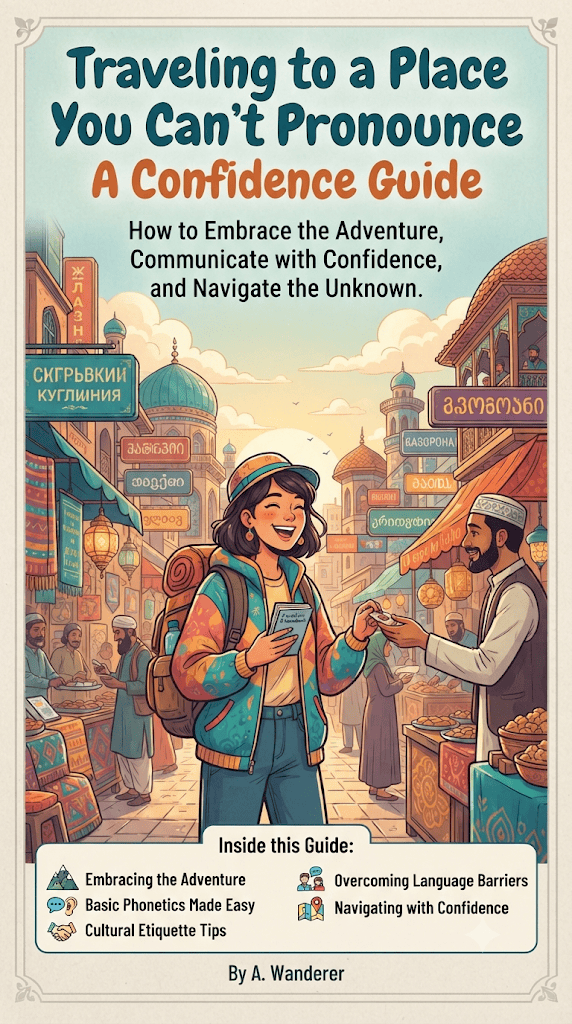
Traveling to a Place You Can’t Pronounce: A Confidence Guide

Why This Worry Is So Common

A name you can’t say out loud feels like a small but real barrier — at the ticket counter, asking for directions, telling people where you’re headed. It’s a minor anxiety that quietly shrinks some people’s travel wish lists.

Nobody Expects Perfect Pronunciation

Locals are almost always more pleased that you’re trying than bothered by an imperfect accent. A genuine attempt, even an imperfect one, usually lands better than avoiding the word altogether.

Practical Ways to Get Comfortable

  1. Listen before you go. Search the place name on YouTube or a pronunciation app and play it a few times.
  2. Break it into syllables. Write it out phonetically in your notes app for quick reference.
  3. Ask, don’t guess, on arrival. “Did I say that right?” is a great icebreaker with locals.
  4. Use it in context early. Practise saying it in a sentence, not just as an isolated word — that’s how you’ll actually use it.

When Words Still Trip You Up

Pointing at a map, showing a written note, or using a translation app are all perfectly fine backups. Communication doesn’t require perfect pronunciation — it requires getting understood.

Don’t Let This Shrink Your Travel List

Some of the most memorable places have names that take a few tries to get right. Letting that stop you means missing out over something locals will likely forget within the conversation.

Bottom Line

A hard-to-pronounce name is a small hurdle, not a real barrier. A little preparation — and a willingness to be corrected kindly — gets you past it faster than you’d think.

The Rise of Women-Led Bird watching Tours in India

A Field That’s Been Mostly Male

Wildlife guiding in India has historically skewed heavily male, and birdwatching has been no exception, even though India is one of the world’s most visited destinations for it. That’s beginning to shift — slowly, through training programs and community initiatives that are putting binoculars in the hands of women who’d never held one before.

From First-Time Birders to Leading Tours

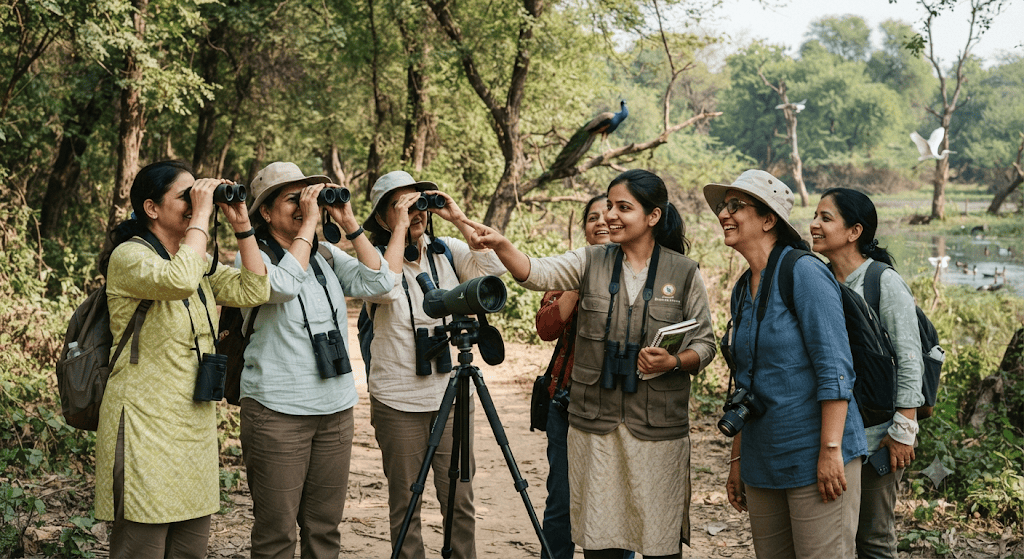
In Tadoba, a workshop introduced a group of women — many holding binoculars for the first time — to birdwatching as a guiding skill. Within months, the same women were leading birding teams during an annual bird race and actively contributing to citizen science challenges through platforms like eBird. What started as training became a new professional identity.

A Growing, Visible Community

Bird Count India’s ongoing “Women in Birding” profile series has featured women birders from cities, villages, coastal regions, mountains, forests and islands across the country — naturalists, researchers, hobbyists and citizen scientists, each with a different route into the field. Annual events like Big Bird Day have also become spaces where women birders explicitly build community and swap field notes, not just species counts.

Why This Matters for Travel

A women-led or women-friendly birding tour often changes more than who’s holding the binoculars — it can mean different pacing, different safety considerations and local knowledge shaped by a different relationship to the landscape. For women travellers specifically, it can also mean a more comfortable group dynamic for early-morning or remote outings.

How to Find and Support These Tours

  1. Look for women naturalists and guides at wildlife reserves and sanctuaries
  2. Follow regional birding clubs — many now have women coordinators
  3. Join citizen science birding events, which often include guided women-led walks
  4. Ask tour operators directly whether they employ women naturalists

Bottom Line

Birdwatching rewards patience over physical strength, which may be exactly why more women are finding their place in it — first as hobbyists, then increasingly as the ones leading others into the field.

Is Volunteer Tourism Actually Helping? A Closer Look

The Appeal Is Obvious

Spend a few days or weeks helping build a school, teach English or support children, and go home having “given back.” It’s an attractive idea — travel with purpose instead of just a passport stamp.

Where the Cracks Show

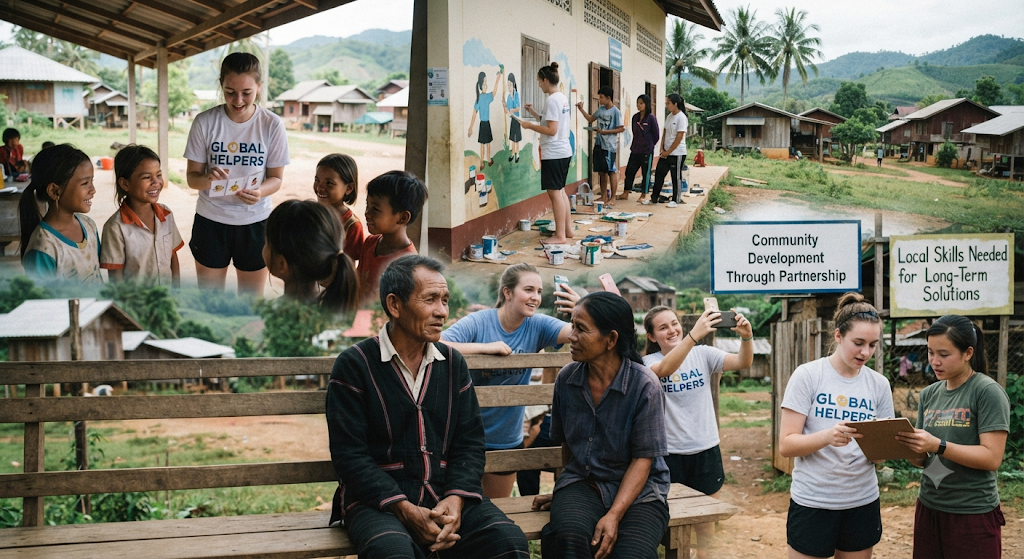
Most short-term volunteers aren’t trained for the work they’re assigned. Reports of unskilled volunteers redoing construction work overnight — because local workers quietly fixed it after the volunteers left — have become a recurring theme in critiques of the industry. In some cases, unskilled volunteer labour has even displaced paid local jobs.

Orphanage Volunteering: The Sharpest Criticism

Orphanage tourism draws the most concern. Child welfare organisations, including UNICEF and Save the Children, have jointly studied the impact of short-term volunteering on children’s care and found enough harm — including emotional distress from repeated attachment and abandonment cycles with rotating volunteers — to recommend eliminating short-term orphanage volunteering altogether. Some investigations have even found children placed in orphanages specifically to attract volunteer donations, despite having living family.

It’s Not All Bad — But the Framing Matters

Longer-term, skills-matched volunteering — where a volunteer’s actual expertise (medical, technical, educational) is used to support a request the local community itself made — tends to have a very different impact profile than a week-long, feel-good placement. The difference usually comes down to who identified the need, and who’s actually being served by the good feeling.

Questions to Ask Before You Sign Up

  1. Did the local community ask for this specific kind of help?
  2. Am I qualified to actually do this work?
  3. Does the organisation share what happens to fees after volunteers leave?
  4. Could a paid local worker do this instead — and should they?
  5. Is there any facility housing children specifically to host volunteer visits?

Bottom Line

Good intentions don’t automatically translate into good outcomes. If a trip’s main product is a feeling for the traveller rather than a need actually filled for the community, it’s worth a harder look before booking.

Traveling With a Chronic Illness: What I’ve Learned

Reframe What “Good Travel” Looks Like

A trip built around rest days, shorter distances and flexible plans isn’t a lesser trip. It’s simply one designed around your actual body instead of an Instagram itinerary.

Before You Book

  • Research hospitals and pharmacies near your destination
  • Check if your medication is legal and available there
  • Confirm your travel insurance covers your condition
  • Choose accommodation with easy access — lifts, ground floor, proximity to help

Packing That Actually Protects You

  1. Carry medicines in original packaging with prescriptions
  2. Pack extra doses in case of delays
  3. Split medication between two bags in case one is lost
  4. Carry a simple medical summary card with your condition, medications and emergency contact

Pacing the Trip Itself

Plan one main activity a day instead of three. Build in buffer time between travel legs. Choose destinations with slower transitions over multi-city sprints when your body needs it.

Communicate Without Over-Explaining

You don’t owe anyone your full medical history. A simple “I need to go slow today” or “I have a condition that needs regular breaks” is enough for travel companions, guides or hotel staff.

The Emotional Part

Cancelling a plan or resting through half a trip can feel like failure. It isn’t. Chronic illness travel is still travel — just measured in what you experienced, not how much ground you covered.

Bottom Line

Traveling with a chronic illness asks for more preparation and self-compassion, not less courage. The world is still there to see — just at the pace your body can actually enjoy it.

How to Choose a Responsible Wildlife Safari Operator in India

Why the Operator You Choose Matters

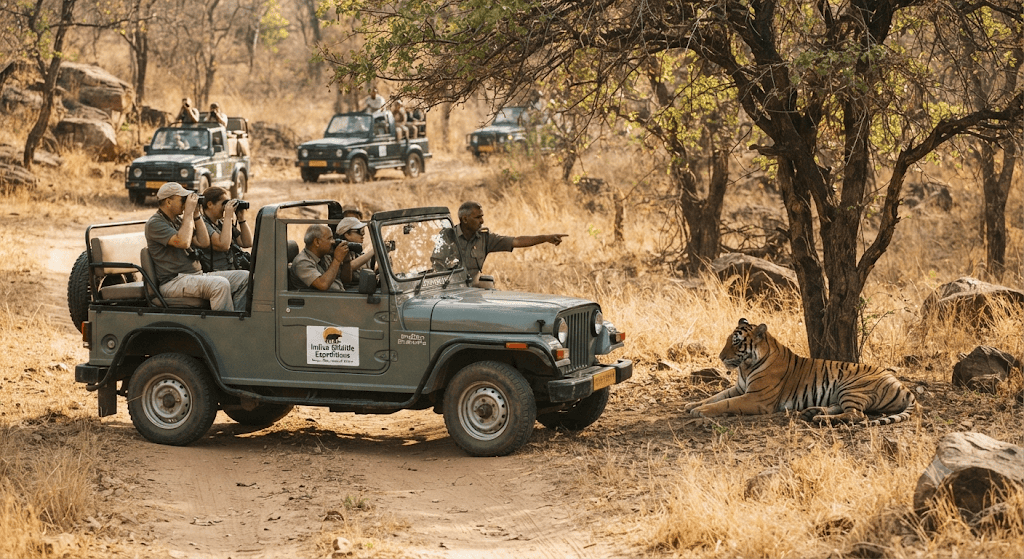
Tiger reserves and sanctuaries run on strict carrying-capacity rules — limits on how many vehicles and tourists can enter at a time. The National Tiger Conservation Authority’s own 2012 guidelines require tourist vehicles to stay a minimum distance apart to avoid crowding animals, and cap how much of a reserve’s area can be used for tourism at all. A good operator works within these limits. A bad one pressures forest guides to bend them for a better photo.

Recent Rules Are Getting Stricter, Not Looser

In November 2025, the Supreme Court tightened controls further — pushing tiger safaris toward buffer and non-forest land and banning night tourism in core zones. That direction matters for travellers too: an operator who still promises unrestricted night drives or guaranteed close-up sightings in core areas is not one working within current rules.

Signs of a Responsible Operator

  • Follows official carrying-capacity and vehicle-distance rules without complaint
  • Employs and trains local guides and drivers
  • Limits group size and vehicle speed inside the park
  • Briefs guests on not baiting animals, playing loud sounds or leaving the vehicle
  • Supports, or is transparent about, conservation or anti-poaching contributions
  • Doesn’t promise a guaranteed sighting — no ethical operator can promise wild animal behaviour

Questions to Ask Before Booking

  1. How many vehicles does your group send in per slot?
  2. What happens if we don’t spot the animal — do you follow the vehicle to force a sighting?
  3. Are your naturalists trained and are guides from the local community?
  4. What’s your policy on maintaining distance from animals?

Red Flags

  • Ads promising “100% tiger sighting”
  • Vehicles clustering around one animal
  • No mention of forest department permits
  • Guides encouraging loud calls or off-road driving to chase wildlife

Bottom Line

A responsible safari operator protects the very thing you paid to see. Choosing one carefully means fewer crowded jeeps around a stressed animal — and a better, more honest wildlife experience for you.

Women Who Turned Their Hobby Into a Travel Business

It Usually Starts With “Can You Plan Ours Too?”

Most of these businesses don’t begin with a business plan. They begin with a friend group saying, “You always plan the best trips — can you organise ours?” A woman who loves photography walks becomes a heritage-walk guide. A home cook who travels for regional recipes starts running food trails. A regular trekker starts leading small, women-only batches.

Why Hobby-Led Travel Businesses Work

  • Genuine expertise. You already know the route, the best time to visit and the tea stall worth stopping at.
  • Built-in trust. Early customers are friends and friends-of-friends, which matters a lot in travel.
  • Low starting cost. Many begin with a WhatsApp group and an Instagram page, not an office.

The Unglamorous Parts

Turning a hobby into a business means dealing with what hobbies never ask of you: permits and local registrations, insurance, refund policies, vendor payments and last-minute cancellations. Women who make it work usually get the basics sorted early — a clear cancellation policy, a written itinerary and a small emergency fund for things that go wrong.

Starting Small Without Burning Out

  1. Run one or two trips a season before quitting anything.
  2. Partner with local guides and homestays instead of doing everything yourself.
  3. Keep groups small — it protects both safety and the quality of the experience.
  4. Collect honest feedback after every trip and actually use it.

Bottom Line

Your hobby already taught you the hardest part — knowing a place well enough to make others fall for it. The rest is systems, and systems can be learned one trip at a time.