Budget-Friendly Sustainable Travel Destinations Near Delhi/NCR

You don’t need a big budget or a long vacation to travel more sustainably. Some of the best eco-conscious getaways are just a few hours from Delhi — easy on the pocket, and easy on the planet too.

1. Sultanpur National Park (Gurugram)
Just an hour from Delhi, this bird sanctuary is perfect for a low-impact day trip. No fancy resorts needed — go early morning, carry a reusable water bottle, and enjoy one of the richest birdwatching spots near the city, almost entirely on foot.

2. Sariska Tiger Reserve (Rajasthan)
A few hours away, Sariska combines wildlife conservation with budget-friendly stays in nearby villages. Choose a local homestay over a big resort — it supports the community directly and usually costs a fraction of the price.

3. Bharatpur — Keoladeo National Park (Rajasthan)
A UNESCO World Heritage bird sanctuary, best explored by cycle-rickshaw or on foot rather than a vehicle. It’s one of the most sustainable ways to experience wildlife tourism near Delhi, and entry fees are modest.

4. Morni Hills (Haryana)
One of the least commercialized hill destinations near Delhi — quiet, green, and largely untouched by mass tourism. Local guesthouses over big chains keep both your budget and your footprint small.

5. Dhanaulti (Uttarakhand)
Less crowded than Mussoorie, Dhanaulti has an eco-park and forest trails ideal for slow, mindful travel. Public buses connect well from Delhi, cutting down on the need for a private vehicle.

A few sustainable travel habits worth carrying along, wherever you go:

  • Carry a reusable bottle and cloth bag (ties back nicely to our plastic-swap habits!)
  • Choose homestays or local guesthouses over big resorts when possible
  • Public transport or shared cabs over solo drives
  • Leave no trace — carry your trash back if bins aren’t available

Sustainable travel doesn’t have to mean expensive eco-resorts. Sometimes it’s just choosing the slower, simpler, more local option — which usually turns out lighter on the wallet too.


Solo Travel Safety Tips for Women in India

Solo travel is one of the most empowering experiences a woman can have — but it also comes with real safety considerations, especially in India. Here’s what actually helps, based on practical experience rather than just fear-driven caution.

1. Research your destination thoroughly before you go
Know which areas are considered safe, what the local culture expects in terms of dress and behavior, and how to reach your accommodation from the station or airport — ideally in daylight hours.

2. Share your live location with someone you trust
Apps like Google Maps let you share real-time location with a family member or friend. It costs nothing and gives both you and them peace of mind.

3. Choose accommodations with good reviews from women travelers
Look specifically for reviews mentioning safety, well-lit entrances, and staff behavior — not just cleanliness or amenities.

4. Trust your instincts over politeness
If a situation or person feels off, you don’t owe anyone an explanation for walking away. This is the single most repeated advice from experienced solo travelers, for good reason.

5. Keep a local emergency contact saved
Save the number of your hotel, a local trusted contact if you have one, and India’s women’s helpline (181) in your phone before you even land.

6. Avoid isolated areas after dark
This applies everywhere, not just India — stick to well-populated, well-lit areas once the sun goes down, especially in unfamiliar cities.

Solo travel changes how you see yourself, not just the places you visit. A little preparation goes a long way in making sure that experience stays a positive one.

5 Simple Swaps to Reduce Plastic at Home

Plastic is everywhere in our daily lives — often without us even noticing. The good news is that reducing it doesn’t mean overhauling your entire home overnight. Small, consistent swaps add up over time. Here are five easy ones to start with:

1. Cloth bags instead of plastic bags
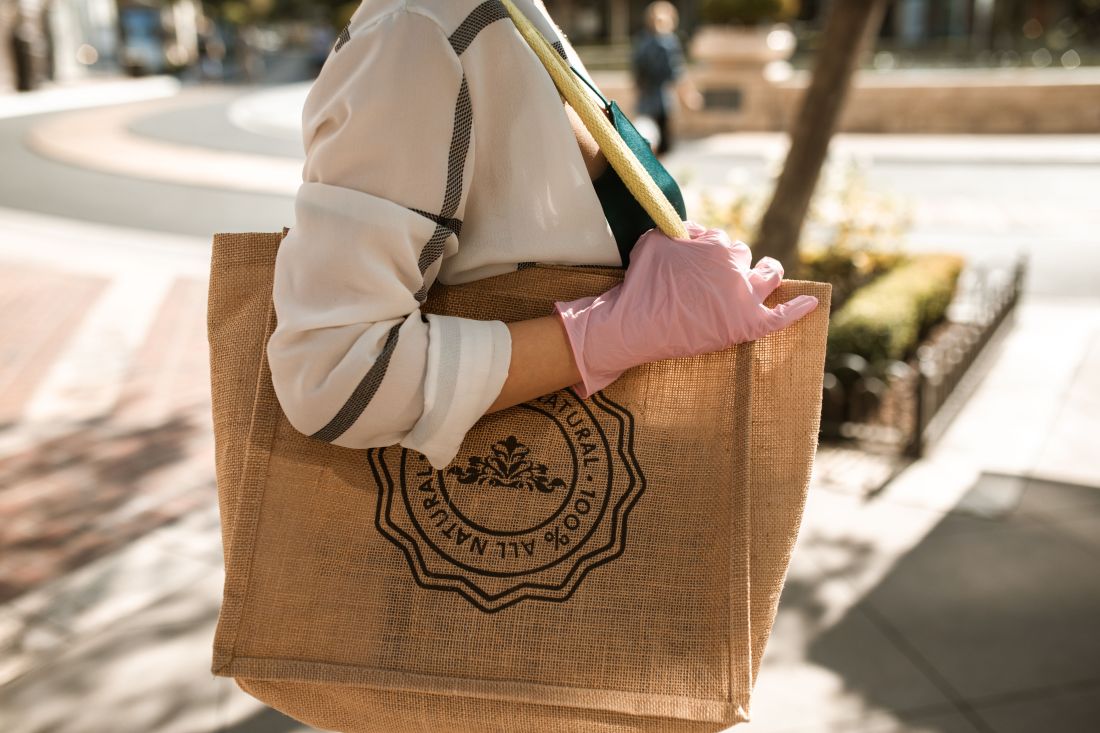
Keep a couple of cloth or jute bags near your front door or in your car. It sounds simple, but having them within reach is the difference between remembering and forgetting when you’re out shopping.

2. Steel or glass bottles instead of plastic ones
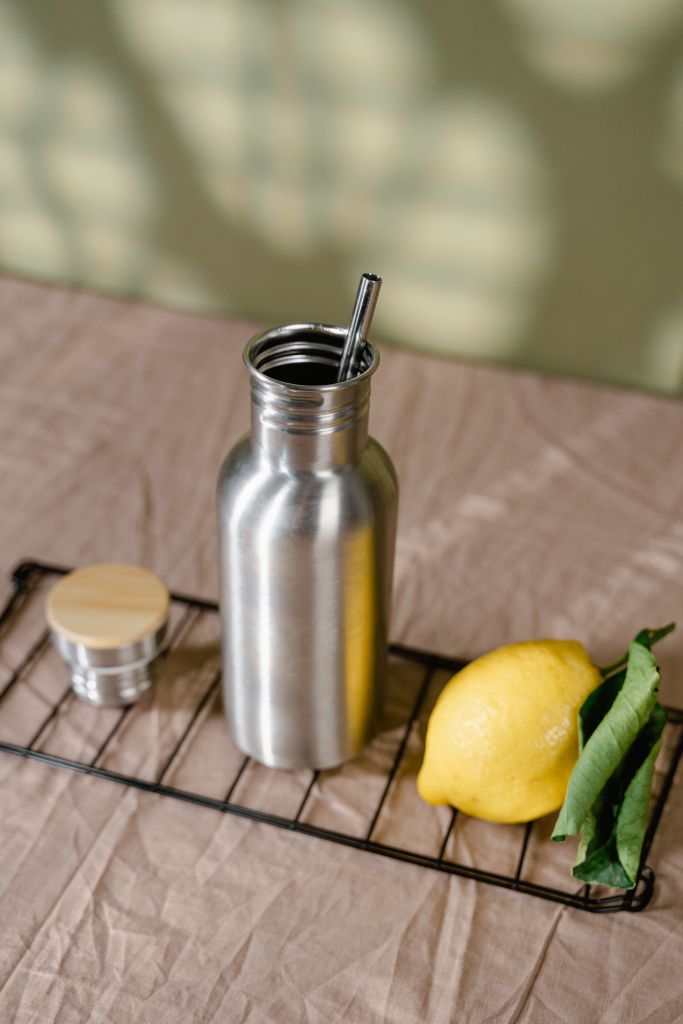
A good steel bottle lasts years and keeps water cooler for longer too. It pays for itself quickly compared to buying plastic bottles repeatedly.

3. Reusable containers instead of cling wrap
Steel or glass containers for storing leftovers not only cut down on plastic waste but also keep food fresher for longer.

4. Bar soap and shampoo bars instead of bottled versions
Bathroom plastic adds up fast — shampoo, conditioner, body wash bottles. Bar alternatives have gotten much better in quality recently and cut out a surprising amount of plastic.

5. Wooden or bamboo kitchen tools instead of plastic ones
Spatulas, spoons, chopping boards — small kitchen swaps that last long and don’t shed microplastics into your food over time.

None of these need to happen all at once. Pick one this week, get used to it, then move to the next. That’s usually how lasting habits actually stick.

What Being a Woman Means to Me

Woman what is a Woman ? Everybody has a different views about Woman either it would be man or woman itself. For me Being a woman means far too many things to put into words, but in my attempt to do it justice here is what being classified as one means to me. Being a woman means confidence. Being a woman means working hard. Being a woman means wearing your heart on your sleeve. Being a woman means being the bigger person.

Being a woman means carrying more than people realize, quietly. Being a woman means starting over, even when the world says you’re too late. Being a woman means being everyone’s strength and still finding your own. Being a woman means choosing kindness even when it isn’t returned. Being a woman means believing in yourself when no one else does.

And after all these years, I’m still learning what it means — and maybe that’s the most honest definition there is.

The current image has no alternative text. The file name is: pexels-ntate-mohlala-sir-2160208879-37321320.jpg

SAY NO TO PLASTIC!!!!

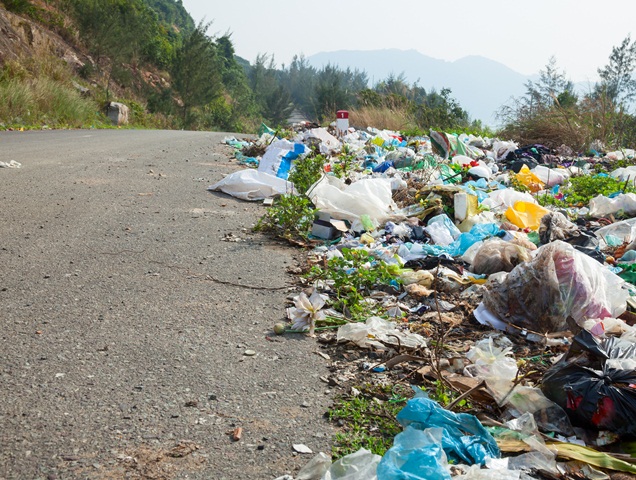
Plastic in any form or of any quality is harmful to health, period. In a perfect world you would want to avoid exposure to all forms of plastic. Considering plastic lurks in every nook and corner of our lives, banishing it completely seems unrealistic and impractical. 

But we have to stop using the plastic in our life because it damages our life as well as our environment. Plastic is polluting our land, air and water day by day.

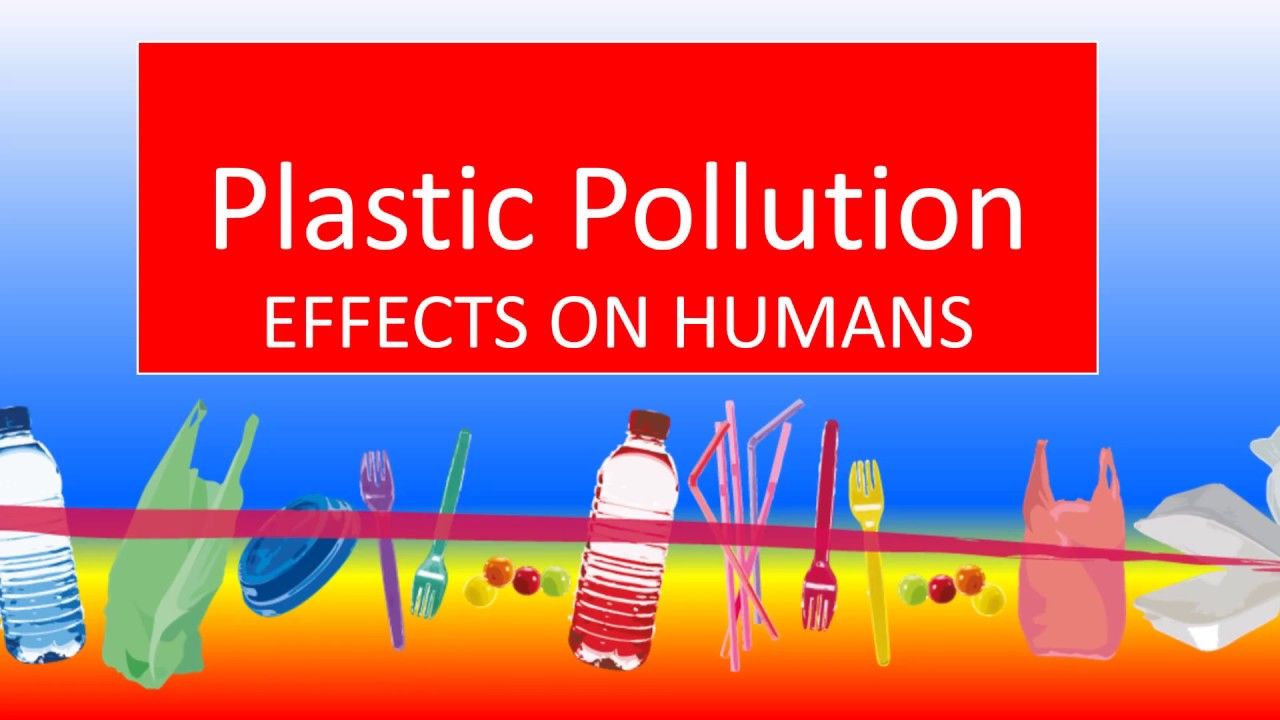
There are many adverse health effects of plastic on our health some are:

  1. Cancer
  2. Birth Defects
  3. Genetic Changes
  4. Impaired Immune Function
  5. Diarrhea
  6. Obesity
  7. Skin Diseases
  8. Deafness
  9. Vision Failure
  10. Diabetes
  11. Nausea
  12. Headache and the list goes on………………

Plastic effects our environment in a three ways:

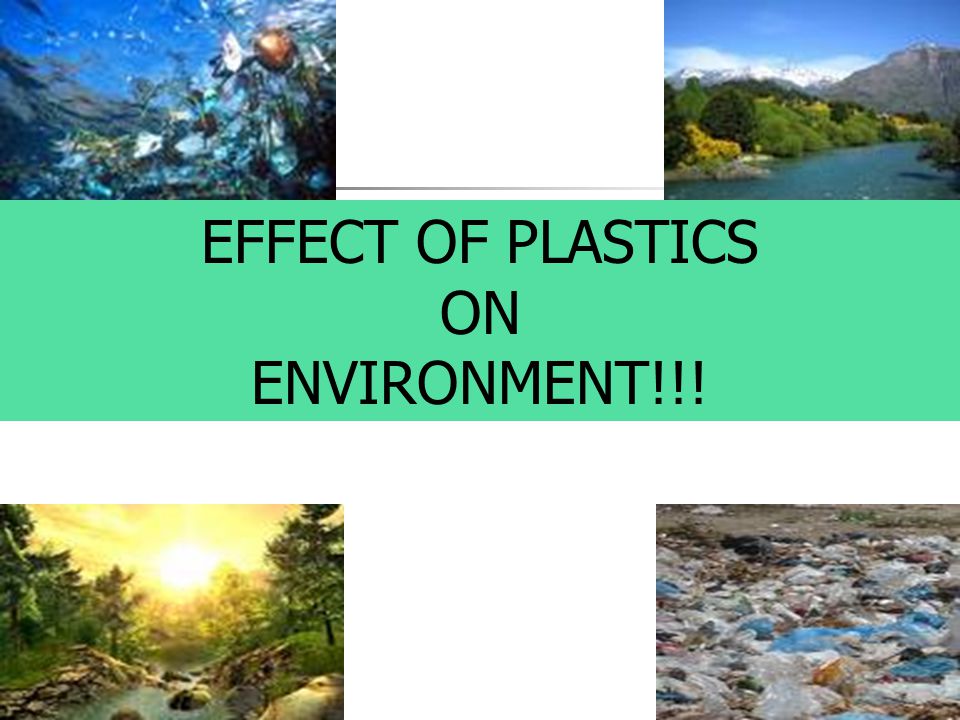
1.Water Pollution: If you’ve ever seen a garbage dump, imagine what happens every time it rains – then imagine that being in your drinking water. Groundwater and reservoirs are susceptible to leaking environmental toxins.
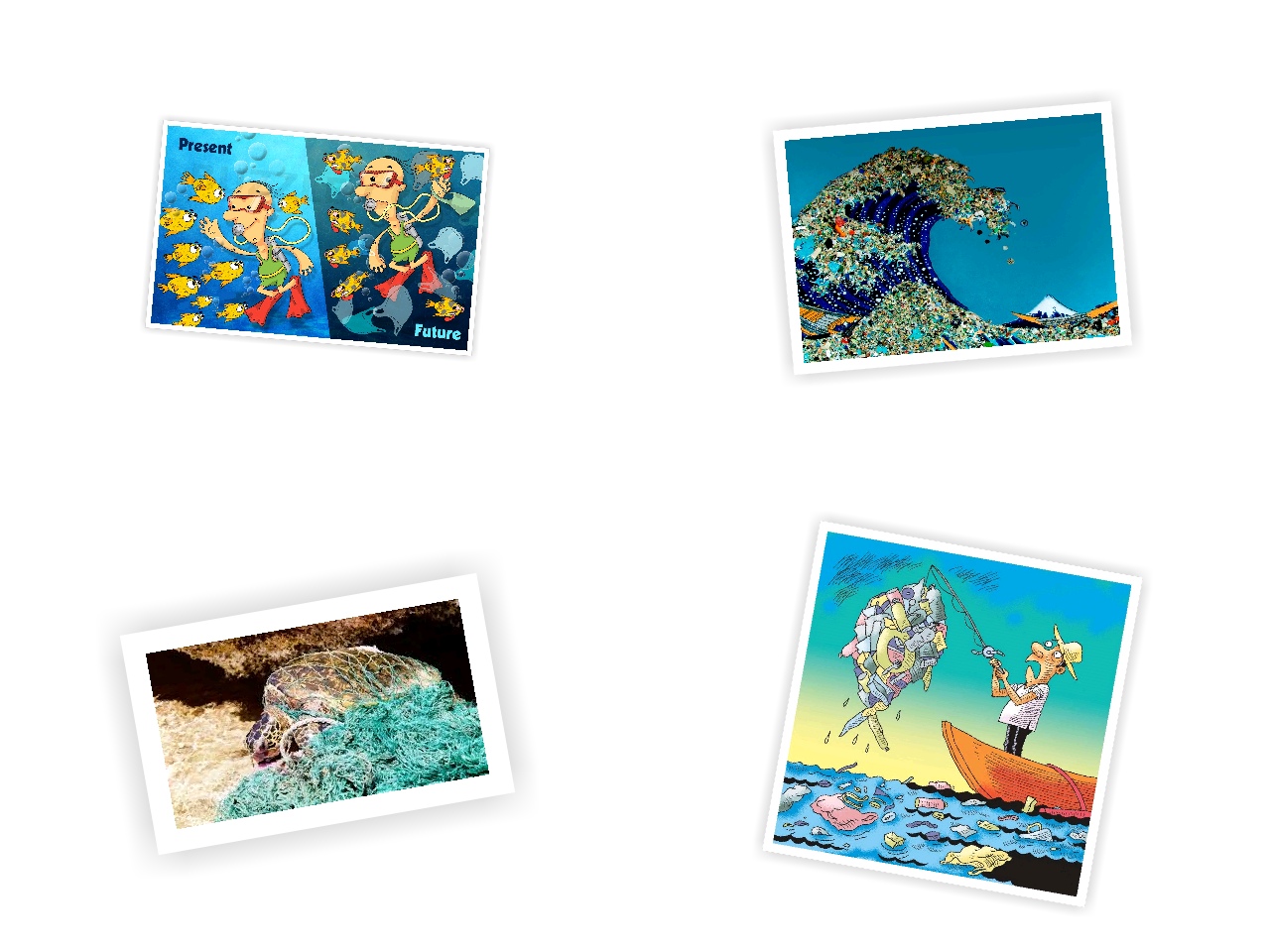
Most of the litter and pollution affecting the world’s oceans also derives from plastics. This has had terrible consequences on many marine species, which can lead to consequences for those that eat fish and marine life for nutrients – including people.

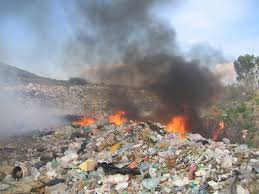
2. Air Pollution: Burning of plastic in the open air, leads to environmental pollution due to the release of poisonous chemicals. The polluted air when inhaled by humans and animals affect their health and can cause respiratory problems.

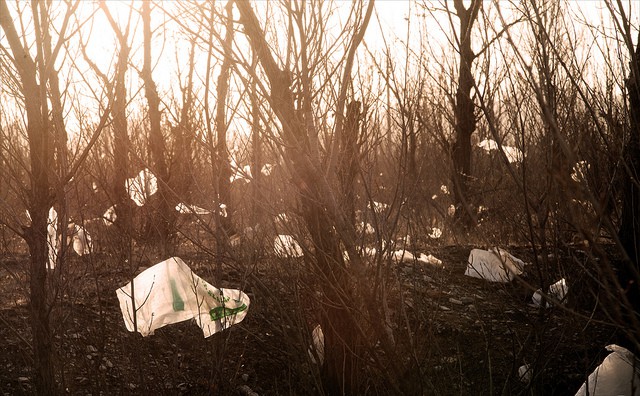
3. Land Pollution: When plastic is dumped in landfills, it interacts with water and form hazardous chemicals. When these chemicals seep underground, they degrade the water quality. Wind carries and deposits plastic from one place to another, increasing the land litter. It can also get stuck on poles, traffic lights, trees, fences, tower etc. and animals that may come in the vicinity and might suffocate them to death.

“Never doubt that a small group of thoughtful committed individuals can change the world; indeed, it is the only thing that ever has.” – Margaret Mead

Change Begins with you!!

SAVE THE ENVIRONMENT!

I like to believe that many of us, when equipped with information, will do the right thing. Here are the top 10 things you can do to save planet :
1. Eliminate the use of paper plates and plastic utensils:
Paper plates are made from virgin wood, contributing to deforestation, and are manufactured by paper mills that use toxic chemicals that can contaminate waterways. Speaking of water, did you know that it takes half a gallon of water to produce ONE 10-inch, medium-weight dinner plate and plastic utensils are no better. Plastic cutlery requires petroleum and chemicals to produce, fossil fuels to transport, and is typically made from non-recyclable plastic.
2. Drive Smart: 
Choose a car with a three-way catalytic converter – it will reduce nitrogen oxide and hydrocarbon emissions by 90%. Limit the amount of time your car engine is running (idling) when you’re not driving – turn it off if you stop for more than 10 seconds (except in traffic). 
On cold days, limit warm-up idling to 30 seconds or less (the best way to warm up your vehicle is to drive it). Accelerate gradually, obey speed limits, combine several errands in one trip, keep your car well tuned, replace its air filter regularly, keep tires properly inflated. Take fewer trips, and combine with alternative modes of transportation (car sharing, walking, cycling, public transport) 
3. Choose reusable over disposable:
As mentioned, paper and plastic both have a significantly negative impact on the environment. Instead, bring your own reusable bags to the grocery store, use cloth napkins instead of paper, replace paper towels with microfiber cloths, and choose cloth diapers for baby.
4. Repair leaky faucets and toilets:
Leaky toilets can waste up to 200 gallons of water per day — or the equivalent usage of an entire family of four — and leaking faucets can waste up to 3,000 gallons of water per year. Repairing these leaks will help save our world’s most precious resource, and will also lower your water bill.
5. Collect rainwater for use in gardens:
Collecting rainwater is easy with a rain barrel, which catches storm water runoff from rooftops. This collected water can be used later to water lawns, gardens, and flower beds. Rain barrels come in a variety of styles and colors, and can make a beautiful addition to your landscaping while helping to protect the environment.
6. Turn off and unplug all electronics when not in use:
Computers, cell phones, printers, video gaming consoles, tablets, wearable fitness trackers — these all depend on electricity, and are often left plugged in and running, even when not in use. Completely shutting down and unplugging these devices when not in use will help to reduce your carbon footprint — and your electric bill.
7. Buy only fair-trade, sustainable coffee:
Traditionally grown coffee is an environmental nightmare: it is one of the largest contributors to the decimation of our world’s rain-forests, is the second-most pesticide laden food crop (second only to tobacco), and is often dependent on unfair labor practices. By choosing fair trade, Eco-certified coffee, you are assuring that the coffee you are drinking is both environmentally friendly and humane. Bring a reusable mug when visiting your local coffee shop.
8. Green up your lawn:
No, not with fertilizer — with ground cover! Ground cover does not require supplemental watering, remains green even during times of moderate drought, and helps prevent soil compaction. In the northeast, white clover is a pretty and popular choice.
9. Start a compost pile:
Composting our vegetable and lawn scraps helps the environment in many ways. Organic waste in landfills is typically covered by trash and is therefore forced to decay in an airless state. This anaerobic decay produces methane gas, which is 21 times more potent than carbon dioxide. Therefore, composting our vegetable and lawn scraps helps to minimize the effect that landfills have on climate change while also reducing the speed at which landfills are, well…filled. Also, compost helps to feed and improve the soil, minimizing the need for chemical fertilizers.
10. Switch to Eco-friendly cleaning products:
Traditional cleaning products rely heavily on synthetic chemicals, which are now understood to be dangerous to both the environment and our health.

These are just a few ways in which we can do our part to green up the environment and to reduce our carbon footprint.