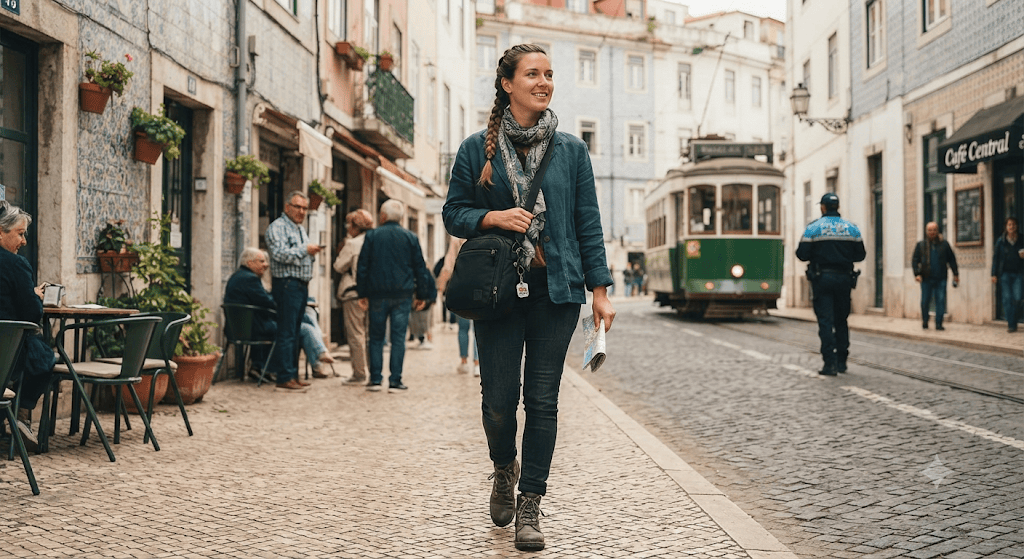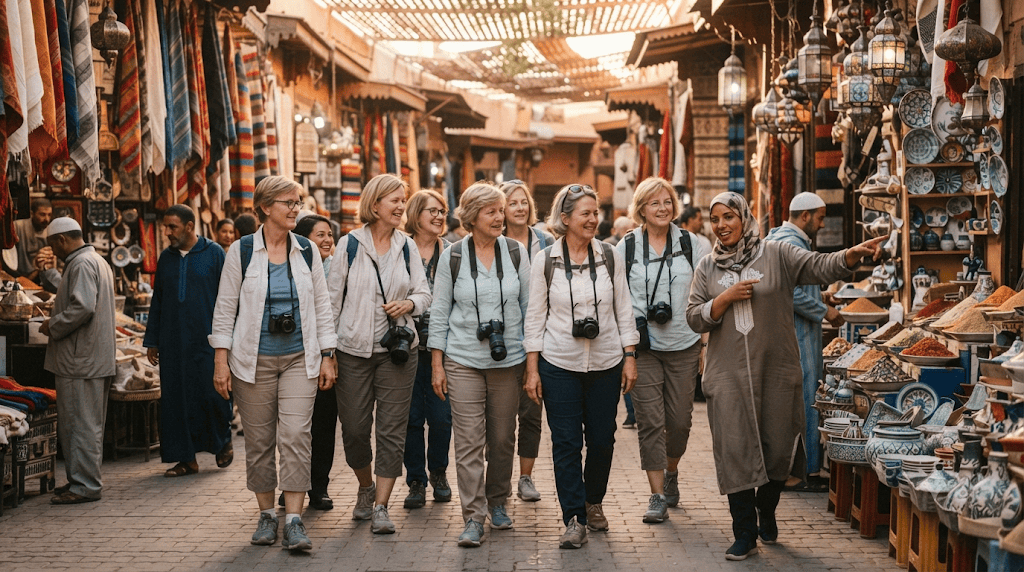
Women-only travel groups have grown significantly in recent years, often marketed primarily around one promise: safety. But does traveling exclusively with other women actually reduce risk, or does the reassurance outpace the reality? Here’s a closer look.
What These Groups Typically Offer
Most women-only travel groups combine shared accommodation, pre-vetted itineraries, and — often the biggest draw — the reassurance of not navigating an unfamiliar destination entirely alone. Many also include a female trip leader with local knowledge of the destination.
Where the Safety Argument Genuinely Holds
Numbers do offer some real protection — a group is generally a less appealing target for harassment or theft than a lone traveler, and shared accommodation reduces the vulnerability of staying somewhere unfamiliar and unverified alone. A trip leader who knows the destination well also removes a lot of the guesswork that creates risk for solo, first-time visitors.
Where the Promise Gets Overstated
Group travel doesn’t eliminate risk — it changes its shape. Groups can still be pickpocketed, still encounter unsafe situations in transit, and group dynamics themselves can sometimes create their own friction or discomfort that has nothing to do with external safety at all.
It’s Not a Substitute for Basic Precautions
Some travelers relax basic safety habits once in a group setting, assuming numbers alone provide protection — skipping the same location-sharing or research they’d otherwise do solo. The safety benefit of a group is additive, not a replacement for individual awareness.
The Real Value May Be Different Than Advertised
For many participants, the standout benefit of women-only trips isn’t safety in the strictest sense — it’s the comfort of shared understanding, not needing to explain certain concerns, and often a stronger sense of connection with fellow travelers than mixed-group trips tend to produce.
What to Actually Check Before Booking One
- The organizer’s track record and reviews from past participants, not just marketing claims
- What’s actually included in terms of guide presence, accommodation vetting, and emergency support
- Group size, since very large groups can dilute both the safety benefit and the personal connection that’s often the real draw
Bottom Line
Women-only travel groups do offer genuine practical benefits, but “safer” isn’t an automatic guarantee just because the group is exclusively female — it depends heavily on how well-organized and experienced the specific group actually is. They’re a solid option for many first-time or hesitant travelers, but not a replacement for ordinary travel safety awareness.