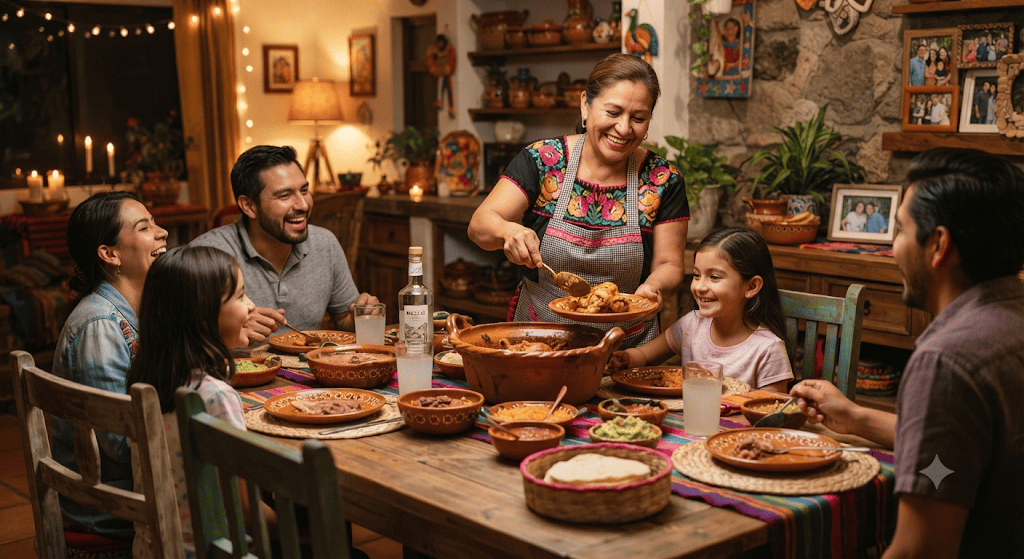
Why Home Dining Is Different
Restaurants serve what sells. Home cooks serve what their families eat: seasonal, regional and often passed down without a written recipe. Sitting at a local woman’s table gives you food, stories and a window into daily life.
Why It Helps Local Women
Hosting meals lets women earn from skills they already have, often from their own homes and on their own schedules. For many, it’s a first step towards an independent business, and it keeps regional recipes alive.
What to Look For
- A host who is clearly named and has real reviews from previous guests
- Transparent pricing that includes ingredients, time and the experience
- Small group sizes, which keep the meal personal
- Clear information about menu, hygiene and any cooking demonstration
Questions to Ask Before You Book
- Is it vegetarian, non-vegetarian or mixed?
- Can you cater to allergies or restrictions?
- How many guests will be there?
- Is the meal in a home, a shared kitchen or a community space?
- How do I get there, and is it safe to return at night?
Manners at the Table
- Arrive on time and take off your shoes if asked
- Try everything offered, even a little
- Ask about the dishes; most hosts love sharing the story behind them
- Don’t photograph the family or the kitchen without asking
- Avoid haggling over a fair price
Staying Safe
Share the address with a friend, read recent reviews and prefer experiences listed through trusted platforms or recommended by your stay.
Bottom Line
Eating at a local woman’s table is one of the best ways to travel slowly. You eat better, she earns fairly and both sides leave with something more than a transaction.

