What I Wish I Knew Before My First Trek

Every first-time trekker imagines the trail before actually walking it — and almost always gets a few things wrong. It’s not about lacking fitness or gear; it’s the small, practical lessons that only show up once you’re actually on the mountain. Here’s what tends to surprise most people the first time around.

Fitness Isn’t the Same as Trek-Readiness

Being generally active doesn’t automatically prepare your body for hours of continuous incline, altitude changes, and uneven terrain. Trek-specific training — stairs, weighted walks, longer walking sessions — matters far more than general gym fitness.

Breaking In Shoes Is Non-Negotiable

New trekking shoes worn for the first time on the trail is one of the most common rookie mistakes. Blisters that seem minor on day one can derail an entire trek by day two. Shoes need to be worn and walked in well before the actual trip.

Layering Beats Bulk

Carrying one heavy jacket “just in case” is less effective than multiple thin layers. Weather on a trek can shift quickly — layers let you adjust in minutes instead of overheating or freezing for hours.

Pace Yourself, Not the Group

New trekkers often try to match the pace of fitter or more experienced people in the group, which leads to early exhaustion. A slow, steady pace almost always outperforms a fast start followed by a forced crawl.

Altitude Sickness Doesn’t Care About Fitness Level

Even strong, fit trekkers can be hit by altitude sickness, since it’s about acclimatization, not stamina. Ignoring early symptoms like headaches or nausea, hoping they’ll pass, is a mistake that can escalate quickly.

Pack Less Than You Think You Need

First-time trekkers tend to overpack “just in case” items that never get used, while underestimating how much extra weight slows them down. A tighter, well-thought-out pack beats a heavier “prepared for everything” one.

The Silence Is the Real Reward

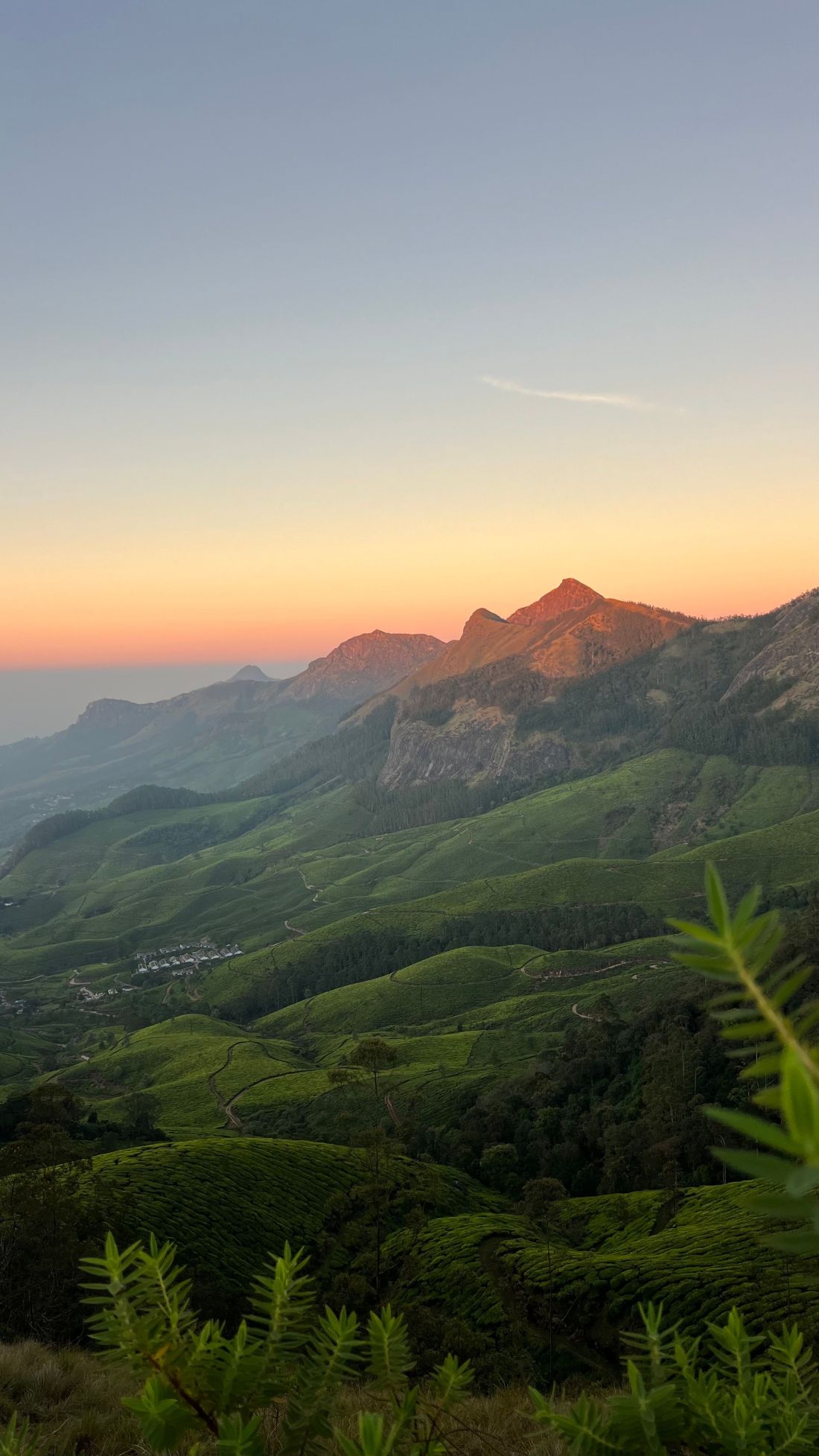
No amount of research prepares you for how different the mountains feel in person — the quiet, the scale, the disconnect from everyday noise. It’s usually not the summit photo that stays with people, but that unexpected stillness along the way.

Bottom Line

A first trek always teaches more than any blog or packing list can. But knowing what’s coming — the blisters, the pacing mistakes, the altitude surprises — makes that first trail a little less overwhelming, and a lot more enjoyable.

A Weekend Guide to a Nearby Eco-Tourism Spot

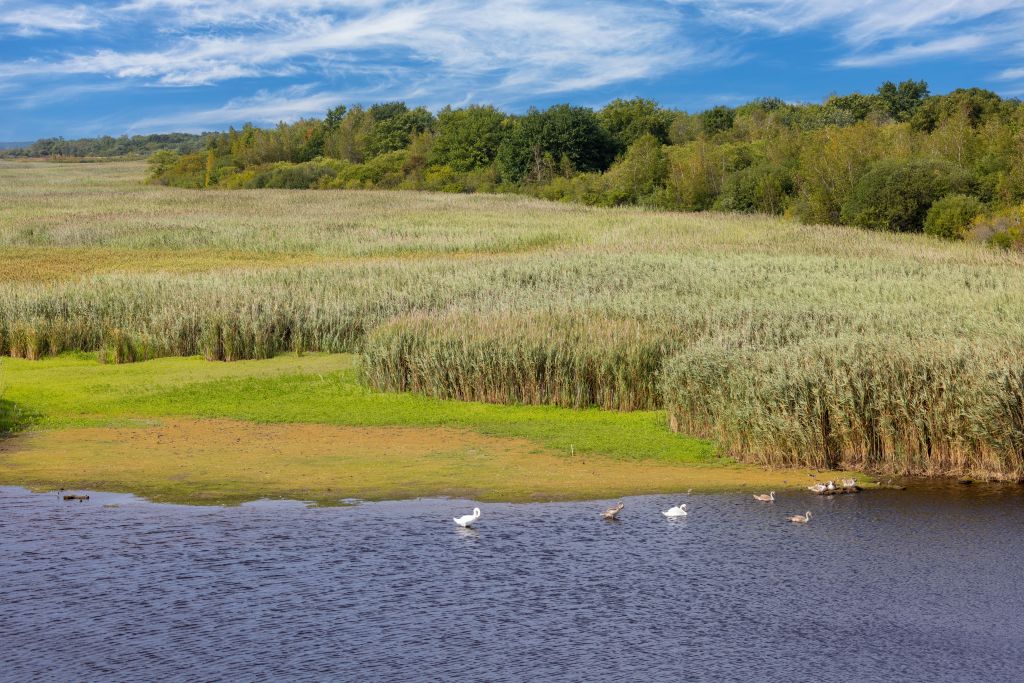
Wetland populated with numerous waterbirds including flamingos, egrets, and ducks, surrounded by trees and vegetation under a warm sunset sky

If you’re in Delhi NCR and craving a break from concrete and traffic, you don’t need to travel far. Sultanpur National Park, in Gurugram district, is one of the region’s best-kept eco-tourism gems — and it makes for a perfect one-day or half-day weekend trip.

About the Park

Sultanpur is a wetland sanctuary spread across roughly 142 hectares, located about 15 km from Gurugram and around 50 km from Delhi on the Gurgaon–Farukh Nagar Road. It began as a bird sanctuary in the early 1970s after ornithologist Dr. Salim Ali flagged the wetland’s ecological importance to the Haryana government, and it was upgraded to national park status in 1989. Today, it holds the distinction of being Haryana’s first Ramsar-designated wetland — a mark of international recognition for wetland conservation.

What You’ll See

The park is home to over 250 species of resident and migratory birds. Winter (roughly October to March) is peak season, when migratory visitors like Greater Flamingos, Northern Pintails, Eurasian Wigeons, and Bar-headed Geese arrive from as far as Central Asia and Siberia. Beyond birds, you may also spot jackals, mongooses, and nilgai (blue bulls) wandering the grounds.

Getting Around

The park has a network of walking trails circling the central marsh, along with four watchtowers (machans) for uninterrupted birdwatching. There’s also an Educational Interpretation Centre for first-time visitors who want context on the ecosystem before heading out on the trails.

Weekend Plan

  • Morning (7–10 AM): Best time for birdwatching, since birds are most active early. Carry binoculars if you have them.
  • Mid-morning: Walk the marsh-side trails and climb a watchtower or two.
  • Before noon: Head back before the sun gets too strong, especially outside winter months.

Practical Tips

  • Entry has a nominal fee, with separate charges for camera equipment — check current rates before you go.
  • The nearest railway stations are Gurugram, Garhi Harsaru, and Farrukhnagar; the nearest airport is Indira Gandhi International.
  • Winter is the best season to visit; summers get hot, and monsoon can make some patches harder to access.
  • Basic facilities like parking, toilets, and drinking water are available on site.

Why It’s Worth the Trip

You don’t always need a hill station or a beach for a proper reset. A few hours by a quiet wetland, watching flamingos wade through still water, does the job just as well — and it’s close enough to fit into a single weekend morning.

Budget-Friendly Sustainable Travel Destinations Near Delhi/NCR

You don’t need a big budget or a long vacation to travel more sustainably. Some of the best eco-conscious getaways are just a few hours from Delhi — easy on the pocket, and easy on the planet too.

1. Sultanpur National Park (Gurugram)
Just an hour from Delhi, this bird sanctuary is perfect for a low-impact day trip. No fancy resorts needed — go early morning, carry a reusable water bottle, and enjoy one of the richest birdwatching spots near the city, almost entirely on foot.

2. Sariska Tiger Reserve (Rajasthan)
A few hours away, Sariska combines wildlife conservation with budget-friendly stays in nearby villages. Choose a local homestay over a big resort — it supports the community directly and usually costs a fraction of the price.

3. Bharatpur — Keoladeo National Park (Rajasthan)
A UNESCO World Heritage bird sanctuary, best explored by cycle-rickshaw or on foot rather than a vehicle. It’s one of the most sustainable ways to experience wildlife tourism near Delhi, and entry fees are modest.

4. Morni Hills (Haryana)
One of the least commercialized hill destinations near Delhi — quiet, green, and largely untouched by mass tourism. Local guesthouses over big chains keep both your budget and your footprint small.

5. Dhanaulti (Uttarakhand)
Less crowded than Mussoorie, Dhanaulti has an eco-park and forest trails ideal for slow, mindful travel. Public buses connect well from Delhi, cutting down on the need for a private vehicle.

A few sustainable travel habits worth carrying along, wherever you go:

  • Carry a reusable bottle and cloth bag (ties back nicely to our plastic-swap habits!)
  • Choose homestays or local guesthouses over big resorts when possible
  • Public transport or shared cabs over solo drives
  • Leave no trace — carry your trash back if bins aren’t available

Sustainable travel doesn’t have to mean expensive eco-resorts. Sometimes it’s just choosing the slower, simpler, more local option — which usually turns out lighter on the wallet too.