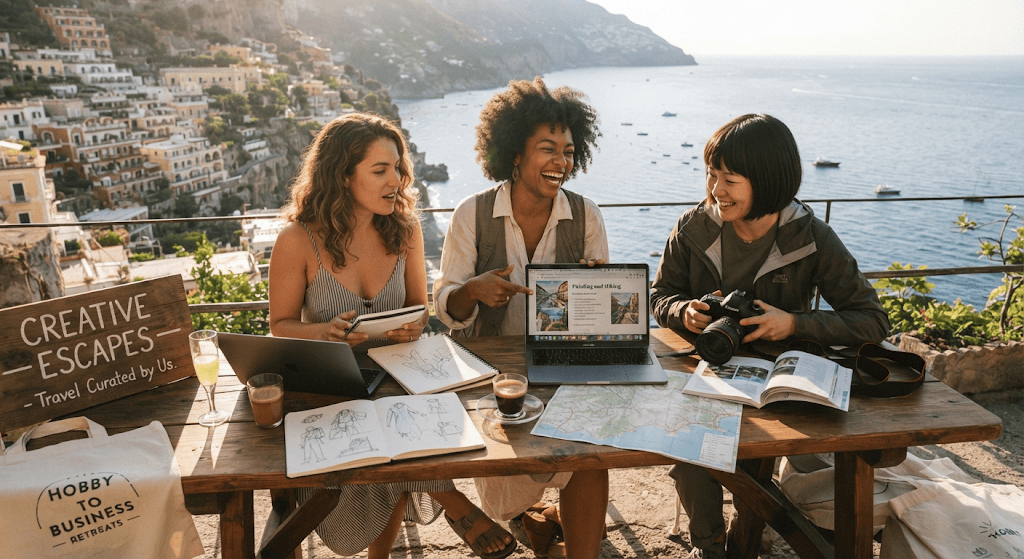
Women Who Turned Their Hobby Into a Travel Business

It Usually Starts With One Trip

Almost every woman-led travel business in India traces back to the same origin story: a solo trip, a backpacking detour, or a family holiday that turned into an obsession. What began as a hobby — planning itineraries for friends, documenting hidden trails, or running a small travel Instagram page — slowly turned into paying work. The hobby-to-business pipeline is especially visible among Indian women travel creators and curators, several of whom have been publicly recognized for building travel brands out of what started as personal passion projects.

Why Travel Businesses Are a Natural Pivot

Unlike many entrepreneurial paths, travel businesses built from a hobby don’t require a sudden reinvention. The credibility is already there — years of trip planning, local contacts, packing hacks, and a following that trusts your recommendations. That trust converts directly into bookings, sponsored trips, and curated tour packages.

The Real Work Behind the Wanderlust

What doesn’t show up on the Instagram grid is the operational side — vendor negotiations, safety protocols for group trips, cancellation policies, and the unglamorous admin of running any small business. Many women in this space talk about the shift from “traveling for fun” to “traveling as logistics,” where the joy has to be actively protected once it becomes work.

Turning Passion Into a Sustainable Model

The women who make it last usually specialize — solo women’s trips, offbeat treks, slow-travel itineraries, or culturally immersive experiences — rather than trying to compete with big travel agencies on price. Niche builds loyalty, and loyalty is what keeps a hobby-turned-business alive past the first excited year.

Bottom Line

A hobby becomes a business the moment someone else is willing to pay for your judgment. For India’s women travel entrepreneurs, that judgment was built one trip at a time — long before it ever became a job.
Why More Indian Women Are Choosing to Travel After 40

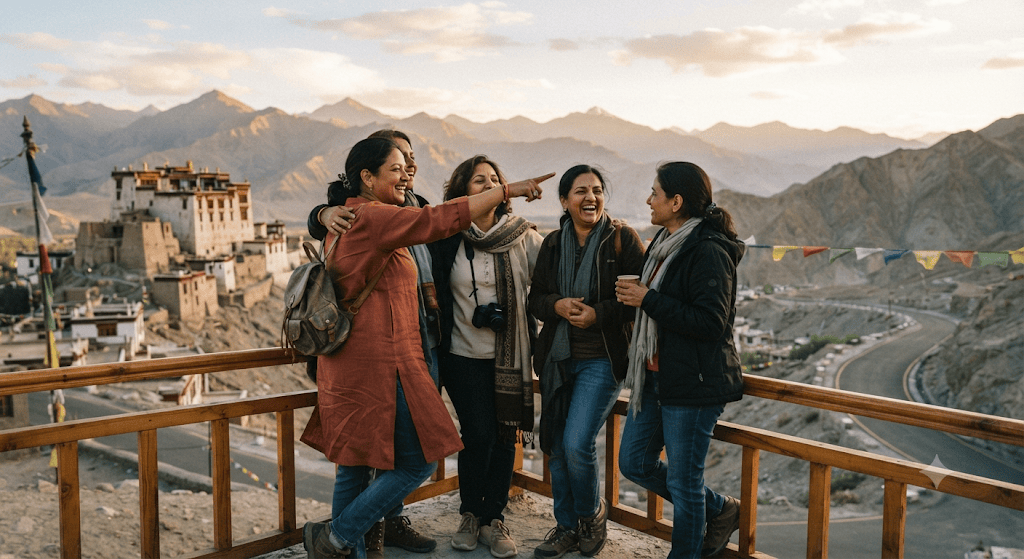
For a long time, the image of solo or adventurous travel skewed heavily toward the young — backpackers in their 20s, gap-year trips, pre-marriage freedom. A quieter but steadily growing trend tells a different story: more Indian women in their 40s, 50s, and beyond are booking trips, often independently, many for the first time in their lives.

Life Stage Finally Allows It

For many women, the years spent raising children or managing a household leave little room for personal travel plans. As children grow more independent, some women find themselves with both the time and the emotional space to prioritize a trip that was postponed for decades.

Financial Independence Plays a Real Role

A growing number of women in this age group have their own income, savings, or financial say in the household — a shift from earlier generations where travel decisions and budgets were more likely controlled by a spouse or family structure. This independence directly enables travel choices made on their own terms.

A Deliberate Reclaiming of Personal Time

Several women who start traveling later in life describe it less as a bucket-list activity and more as a deliberate reclaiming of a version of themselves that existed before marriage, children, and career responsibilities took over most of their time and identity.

Travel Communities Built for This Demographic

Recognizing this shift, several travel groups and tour operators have started designing itineraries and communities specifically for older women travelers — addressing both physical comfort needs and the specific social dynamics of a group where everyone is navigating similar life stages.

Confidence Built From Life Experience

Many women in this age group describe approaching travel with a level of confidence and calm decision-making that comes from decades of managing households, careers, or both — skills that translate surprisingly directly into handling the logistics and occasional unpredictability of travel.

Pushing Back Against Social Expectations

Choosing to travel — especially solo — later in life sometimes still meets resistance from extended family or social circles who view it as an unusual priority at that life stage. Many women navigating this describe it as a conscious, sometimes difficult decision to prioritize their own experience over external expectations.

Bottom Line

Travel after 40 isn’t a consolation prize for missed opportunities earlier in life — for many Indian women, it’s a genuinely deliberate, hard-won chapter that only became possible once time, finances, and confidence aligned. It’s reshaping what “who travels” actually looks like in India.

Solo Women Trekkers of India: Stories From the Trail

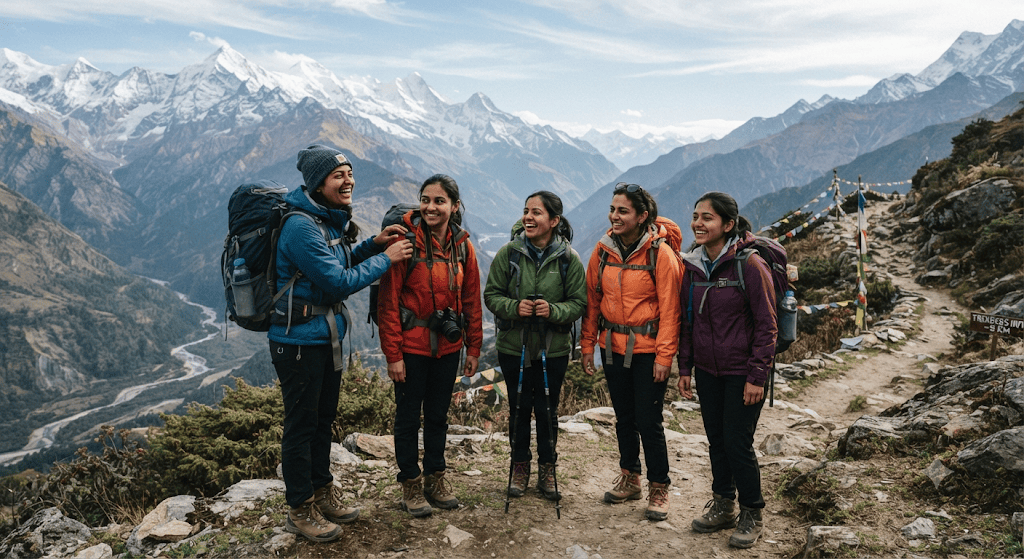
Trekking alone is still seen as unusual for women in India — met with a mix of admiration and quiet skepticism. But a growing number of women are quietly rewriting that narrative, one solo trail at a time.

Why More Women Are Choosing to Trek Alone

For many, solo trekking isn’t about avoiding company — it’s about pace, freedom, and not waiting for someone else’s schedule to align. Group treks come with compromises: pace, route, rest stops. Going solo means the mountain answers only to you.

The Extra Planning That Comes With It

Solo women trekkers often plan more meticulously than their male counterparts — researching villages with reliable homestays, checking in regularly with someone back home, and choosing well-trodden trails over completely isolated ones, at least for the first few solo trips.

Communities Making It Easier

Online groups and trekking communities specifically for women have grown significantly, offering everything from trail recommendations to trusted local guide contacts — lowering the barrier for first-timers who want the solo experience without starting from zero information.

What Keeps Them Going Back

Almost every woman who treks solo mentions the same thing eventually: a sense of self-reliance that’s hard to replicate elsewhere. Navigating a trail, managing unexpected weather, and simply being alone with your own thoughts for days builds a kind of confidence that carries over well beyond the mountains.

Bottom Line

Solo trekking isn’t about proving a point — for most women who do it, it’s simply the most honest way to experience a mountain. And every trail walked alone makes the next woman’s first solo trek feel a little less radical.