What Traveling Alone After a Breakup Actually Teaches You

Why This Particular Kind of Trip Hits Different

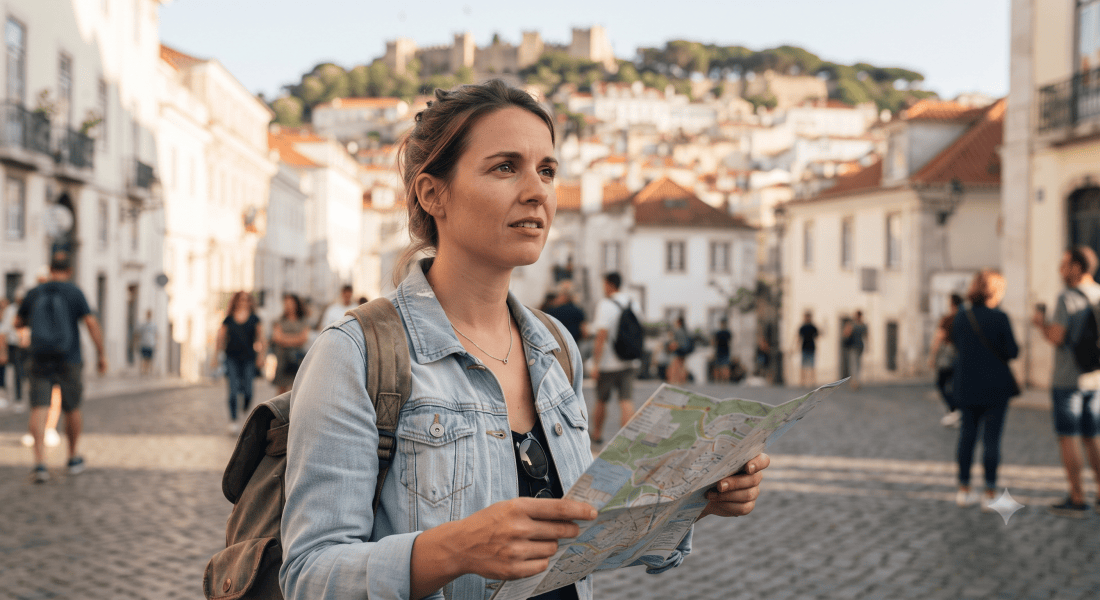
A breakup trip isn’t about escaping, even though it can feel that way at first. It’s often the first extended stretch of time making only your own decisions — where to eat, when to wake up, what the day looks like — after months or years of compromise.

What You Learn in the First Few Days

The initial discomfort of eating alone, sitting alone, deciding alone can feel sharp. Most people report that this fades faster than expected — somewhere around day two or three, independence starts to feel less like loneliness and more like freedom.

The Unexpected Lessons

  • You’re better company for yourself than you thought. Silence on a solo trip isn’t empty — it’s often where clarity shows up.
  • Small decisions rebuild confidence. Choosing a restaurant, navigating a new city — these small wins add up to something bigger than the trip itself.
  • Grief and joy can coexist. You can miss someone and still have a genuinely good day. The trip doesn’t require you to be “over it.”
  • You don’t need permission to take up space. A meal for one, a hotel room for one — it stops feeling like a statement and starts feeling normal.

Making the Trip Work For You, Not Against You

  1. Choose a destination for yourself, not one tied to old shared plans
  2. Don’t over-schedule — leave room to just feel whatever comes up
  3. Journal if it helps, but don’t force reflection on a strict timetable
  4. Let some days be about distraction, and others about processing — both are valid

Bottom Line

A solo trip won’t fix a breakup. But it often does something almost as useful — it reminds you that your life, your choices and your company are enough on their own.

The Case for Taking a “No-Plan” Trip at Least Once

Why We Over-Plan

Planning feels like control — a way to make sure nothing goes wrong, nothing gets missed. But an itinerary built to prevent disappointment often also prevents discovery. The best meal, the best conversation, the best view often happen in the gaps a tight schedule doesn’t leave room for.

What a No-Plan Trip Actually Looks Like

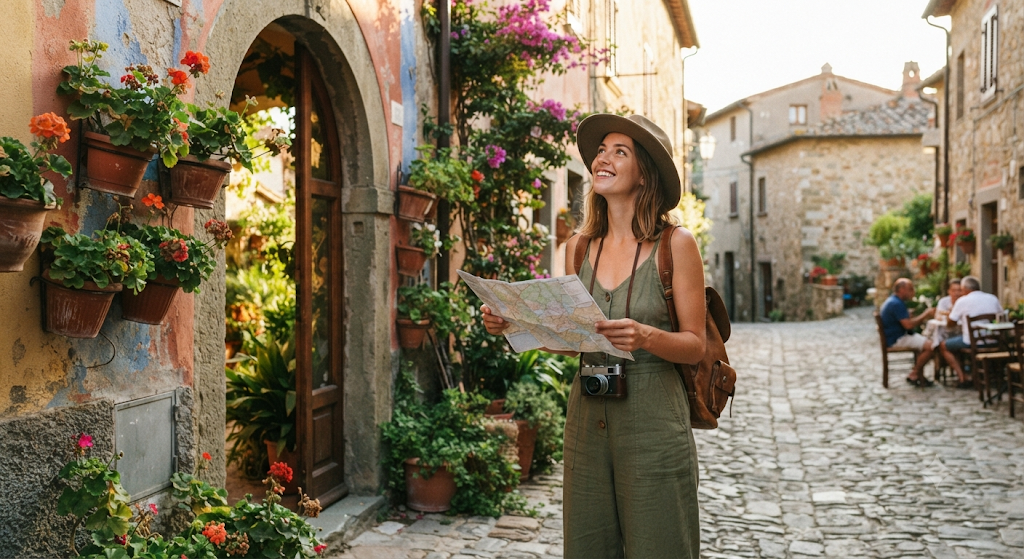
It doesn’t mean zero preparation — book your first night’s stay and know roughly which region you’re headed to. Beyond that, let each day shape the next: ask locals what’s worth seeing, follow a street that looks interesting, stay an extra day somewhere that surprises you.

What You Gain

  • Real local recommendations instead of only algorithm-ranked ones
  • Flexibility to linger where you love it, skip what doesn’t excite you
  • Lower pressure — nothing is “wasted” if there was no fixed plan to deviate from
  • Sharper travel instincts that make future trips easier to plan, loosely

What to Expect (and Prepare For)

  • Some days will be less efficient than a planned trip
  • You may occasionally struggle to find accommodation on short notice in peak season
  • It asks for more comfort with uncertainty — which is also the point

How to Try It Without Full Chaos

  1. Pick a region with good transport connectivity as a safety net
  2. Carry a flexible return ticket
  3. Set a loose budget, not a loose itinerary
  4. Give yourself permission to change your mind mid-trip

Bottom Line

A no-plan trip trades certainty for discovery. Try it once, and you may find the version of the destination an itinerary would never have shown you.

Solo Dining While Traveling: Getting Comfortable With Your Own Company

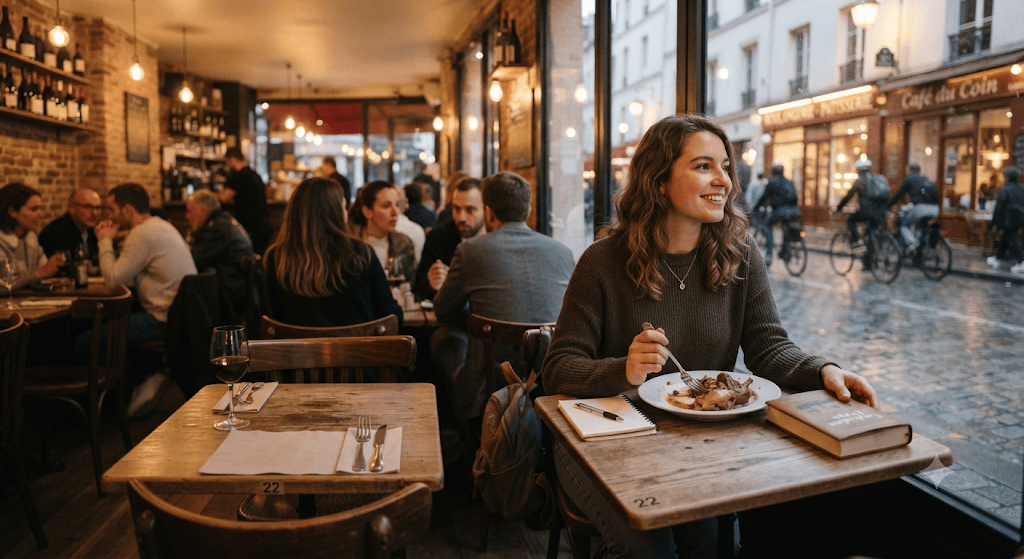
Solo travelers often say the same thing: navigating a new city alone feels fine, but sitting down alone at a restaurant table still triggers a wave of self-consciousness unlike almost anything else about traveling solo. Here’s how to work through that, and eventually enjoy it.

Why It Feels Different From Other Solo Moments

Walking around a city alone feels purposeful — you’re clearly doing something. Sitting at a table alone, with nothing to visibly “do,” can feel exposed in a way that triggers an irrational worry that everyone around you is noticing and judging. In reality, almost no one is paying attention at all.

Start With Lower-Pressure Settings

Cafés, casual street-food spots, or counter seating at a small eatery are far less intimidating first steps than a formal sit-down restaurant. Building comfort in lower-stakes settings first makes the transition to a proper solo restaurant meal feel much less daunting.

Bring Something, But Don’t Hide Behind It

A book, journal, or phone can ease the initial self-consciousness, but constantly staring at it defeats part of the purpose of solo dining — actually noticing the place you’re in. A middle ground works well: something to glance at occasionally, without using it as a permanent shield.

Choose Seating That Feels Comfortable

Many restaurants offer counter seating, window tables, or people-watching spots that feel more natural for solo diners than a large table clearly meant for groups. Requesting this specifically, rather than defaulting to wherever you’re seated, makes a real difference.

Order With Confidence, Not Apology

There’s no need to explain or apologize for dining alone — a confident, simple order communicates that this is a normal, deliberate choice, not something requiring justification to the staff or anyone else in the room.

Use the Time Intentionally

Solo meals are a rare, uninterrupted window to actually notice a place — the way people talk, the specific flavors, the atmosphere — attention that’s often lost in group settings where conversation dominates. Framing it as an experience rather than something to get through changes how it feels.

It Gets Easier Fast

Almost every solo traveler describes the same arc — intense self-consciousness the first time or two, followed by growing comfort, and eventually genuine enjoyment of solo meals as one of the more reflective parts of traveling alone.

Bottom Line

Solo dining feels like the hardest part of traveling alone mostly because it’s unfamiliar, not because anyone is actually watching. A few deliberate first attempts in lower-pressure settings usually turns this into one of the more rewarding parts of solo travel, not the most dreaded.

Women-Only Travel Groups: Are They Actually Safer?

Women-only travel groups have grown significantly in recent years, often marketed primarily around one promise: safety. But does traveling exclusively with other women actually reduce risk, or does the reassurance outpace the reality? Here’s a closer look.

What These Groups Typically Offer

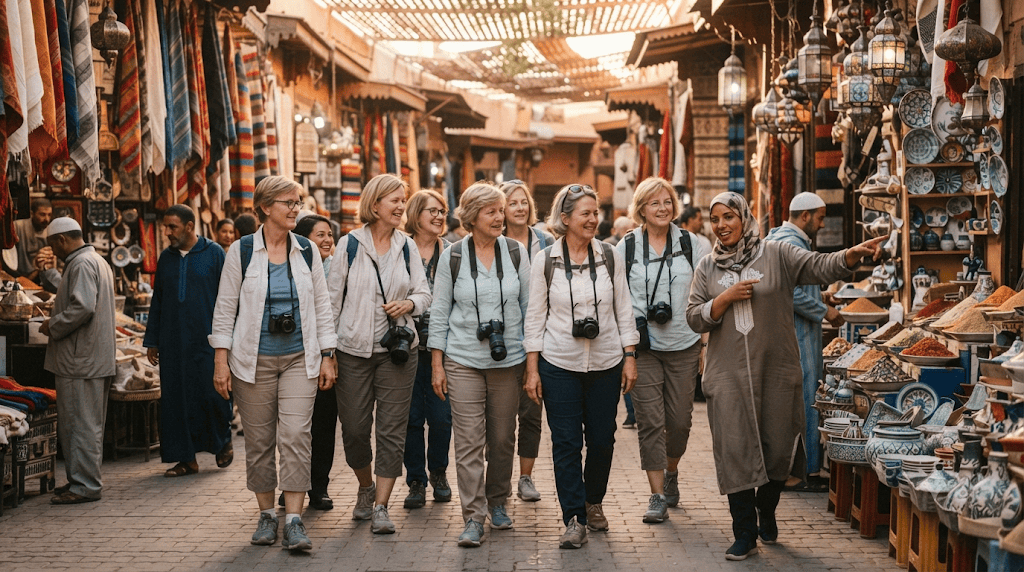
Most women-only travel groups combine shared accommodation, pre-vetted itineraries, and — often the biggest draw — the reassurance of not navigating an unfamiliar destination entirely alone. Many also include a female trip leader with local knowledge of the destination.

Where the Safety Argument Genuinely Holds

Numbers do offer some real protection — a group is generally a less appealing target for harassment or theft than a lone traveler, and shared accommodation reduces the vulnerability of staying somewhere unfamiliar and unverified alone. A trip leader who knows the destination well also removes a lot of the guesswork that creates risk for solo, first-time visitors.

Where the Promise Gets Overstated

Group travel doesn’t eliminate risk — it changes its shape. Groups can still be pickpocketed, still encounter unsafe situations in transit, and group dynamics themselves can sometimes create their own friction or discomfort that has nothing to do with external safety at all.

It’s Not a Substitute for Basic Precautions

Some travelers relax basic safety habits once in a group setting, assuming numbers alone provide protection — skipping the same location-sharing or research they’d otherwise do solo. The safety benefit of a group is additive, not a replacement for individual awareness.

The Real Value May Be Different Than Advertised

For many participants, the standout benefit of women-only trips isn’t safety in the strictest sense — it’s the comfort of shared understanding, not needing to explain certain concerns, and often a stronger sense of connection with fellow travelers than mixed-group trips tend to produce.

What to Actually Check Before Booking One

  • The organizer’s track record and reviews from past participants, not just marketing claims
  • What’s actually included in terms of guide presence, accommodation vetting, and emergency support
  • Group size, since very large groups can dilute both the safety benefit and the personal connection that’s often the real draw

Bottom Line

Women-only travel groups do offer genuine practical benefits, but “safer” isn’t an automatic guarantee just because the group is exclusively female — it depends heavily on how well-organized and experienced the specific group actually is. They’re a solid option for many first-time or hesitant travelers, but not a replacement for ordinary travel safety awareness.

How to Plan a Girls’ Trip That Works for Every Budget in the Group

Group trips rarely fall apart over the destination — they fall apart over money. Someone wants a nicer stay, someone else is watching every rupee, and nobody wants to be the one who brings it up first. Here’s how to plan around that honestly.

Talk Budget Before Talking Destination

Choosing a destination first and discussing budget later almost guarantees mismatch — a dream location might be unaffordable for one or two people who then either overspend or drop out. Getting a rough number from everyone upfront should shape the destination choice, not follow it.

Use a Range, Not a Fixed Number

Asking “what’s your budget?” often gets vague or overly generous answers out of politeness. Asking for a comfortable range instead — “what’s the most and least you’d want to spend?” — tends to surface more honest numbers.

Separate “Must-Do” From “Nice-to-Have” Expenses

Splitting the trip into non-negotiables (accommodation, transport) and optional extras (spa day, a fancy dinner, shopping) lets everyone opt into the shared essentials while choosing individually on the optional spending, rather than forcing a single shared standard on everything.

Choose Accommodation With Flexible Options

Picking a stay with multiple room types — some shared dorms or triple rooms alongside private options — lets people self-select their comfort level and cost without an awkward conversation about who’s paying for what kind of room.

Avoid the “We’ll Split Everything Evenly” Trap

Splitting every cost evenly sounds fair but often isn’t — someone who skips the expensive dinner still ends up paying an equal share. Tracking who actually spent what, and settling based on real usage, avoids resentment that builds quietly over a trip.

Use a Shared Expense App

A simple shared-expense tracking app removes the awkwardness of manually calculating who owes what, and keeps the money conversation transparent and low-drama throughout the trip rather than as one big confrontation at the end.

Give Space for Someone to Opt Out of Certain Plans

Not every activity needs full group participation. Letting people skip an expensive add-on without guilt-tripping keeps the trip enjoyable for everyone, rather than pressuring the group into a single, uniformly priced experience.

Bottom Line

A girls’ trip that respects different budgets isn’t less fun — it’s usually more relaxed, because nobody’s quietly stressed about money the whole time. A little upfront honesty about spending goes further toward a good trip than any destination choice ever could.

How to Travel Safely as a Woman: A City-by-City Checklist

Most travel safety advice for women stays frustratingly generic — “stay alert,” “trust your gut.” Useful in theory, but not something you can actually act on while planning a trip. Here’s a more concrete, practical checklist to run through for any new city.

Before You Arrive

  • Research the neighborhood, not just the city. Safety varies block by block; a general “is this city safe” search is far less useful than checking reviews for your specific accommodation’s area.
  • Book your first night’s stay in advance, even if you plan to figure out the rest as you go — arriving somewhere unfamiliar at night with no confirmed stay adds unnecessary risk.
  • Note the local emergency number and save it, along with your accommodation’s address, somewhere accessible offline.

On Arrival

  • Arrange airport/station transport in advance through a verified app or hotel-arranged pickup rather than picking an unmarked cab on arrival, especially late at night.
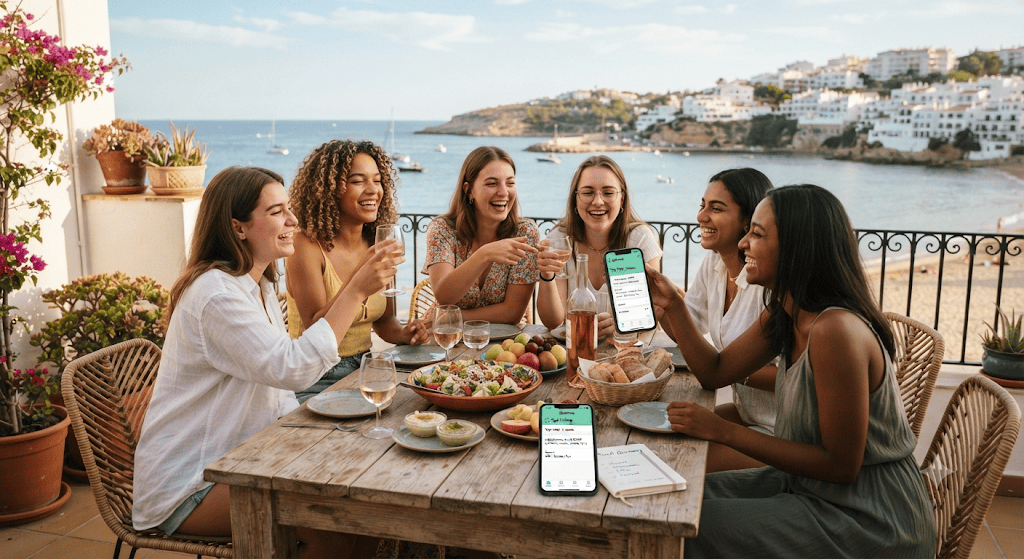
  • Get local SIM or data working immediately so navigation and communication don’t depend on unreliable wifi.
  • Do a short daylight walk around your immediate accommodation area before exploring further, to build a basic mental map of safe, familiar streets.

Day-to-Day Habits

  • Share your daily plan with someone back home or a trusted contact, even briefly — which area you’re heading to, expected return time.
  • Keep a downloaded offline map as backup in case of poor connectivity.
  • Carry a physical copy of key addresses (accommodation, embassy if abroad) in case your phone dies or gets lost.

Choosing How You Move Around

  • Prefer verified ride apps over street hailing, and share trip details with a contact when using them in unfamiliar cities.
  • Sit near the driver or in well-lit compartments on public transport late at night, rather than isolated sections.
  • Trust discomfort over politeness — leaving an uncomfortable situation early, even if it feels socially awkward, is always the safer choice.

Know the Local Norms

Dress codes, appropriate behavior in religious or conservative areas, and common local scams vary significantly by city. A quick check of destination-specific advice (not generic global tips) helps you blend in and avoid unnecessary attention.

Bottom Line

Safety while traveling isn’t about constant fear — it’s about a short list of concrete habits that reduce avoidable risk. A little city-specific preparation before arrival does far more than any generic “stay safe” advice ever could.

What I Wish I Knew Before My First Trek

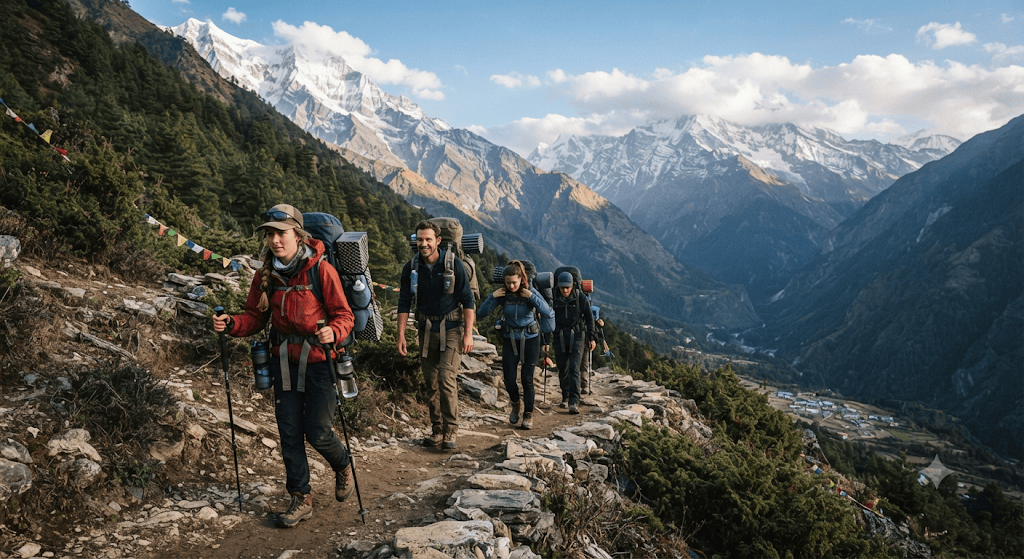
Every first-time trekker imagines the trail before actually walking it — and almost always gets a few things wrong. It’s not about lacking fitness or gear; it’s the small, practical lessons that only show up once you’re actually on the mountain. Here’s what tends to surprise most people the first time around.

Fitness Isn’t the Same as Trek-Readiness

Being generally active doesn’t automatically prepare your body for hours of continuous incline, altitude changes, and uneven terrain. Trek-specific training — stairs, weighted walks, longer walking sessions — matters far more than general gym fitness.

Breaking In Shoes Is Non-Negotiable

New trekking shoes worn for the first time on the trail is one of the most common rookie mistakes. Blisters that seem minor on day one can derail an entire trek by day two. Shoes need to be worn and walked in well before the actual trip.

Layering Beats Bulk

Carrying one heavy jacket “just in case” is less effective than multiple thin layers. Weather on a trek can shift quickly — layers let you adjust in minutes instead of overheating or freezing for hours.

Pace Yourself, Not the Group

New trekkers often try to match the pace of fitter or more experienced people in the group, which leads to early exhaustion. A slow, steady pace almost always outperforms a fast start followed by a forced crawl.

Altitude Sickness Doesn’t Care About Fitness Level

Even strong, fit trekkers can be hit by altitude sickness, since it’s about acclimatization, not stamina. Ignoring early symptoms like headaches or nausea, hoping they’ll pass, is a mistake that can escalate quickly.

Pack Less Than You Think You Need

First-time trekkers tend to overpack “just in case” items that never get used, while underestimating how much extra weight slows them down. A tighter, well-thought-out pack beats a heavier “prepared for everything” one.

The Silence Is the Real Reward

No amount of research prepares you for how different the mountains feel in person — the quiet, the scale, the disconnect from everyday noise. It’s usually not the summit photo that stays with people, but that unexpected stillness along the way.

Bottom Line

A first trek always teaches more than any blog or packing list can. But knowing what’s coming — the blisters, the pacing mistakes, the altitude surprises — makes that first trail a little less overwhelming, and a lot more enjoyable.

Women-Owned Cafes and Homestays Worth Supporting on Your Next Trip

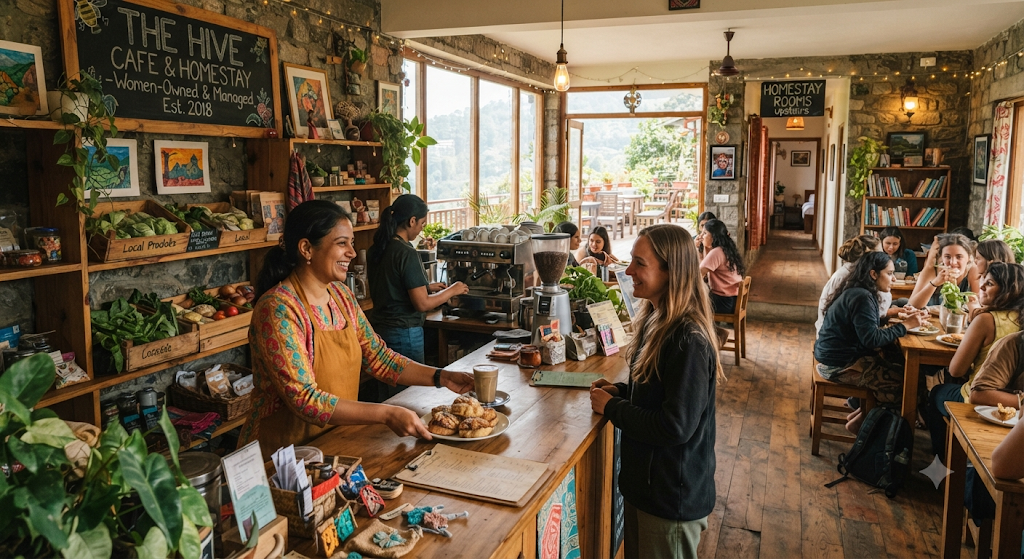
Every trip involves dozens of small spending decisions — where to eat, where to stay, whose business gets your money. Most of these choices are made on convenience alone. But a growing number of travelers are starting to ask one more question: who actually owns this place? Seeking out women-owned cafes and homestays is a small shift that adds up to real support.

Why It Matters

Women entrepreneurs, especially in hospitality and food service, often face harder paths to funding, land ownership, and business credit than their male counterparts. A homestay or café run by a woman — particularly in smaller towns or rural areas — frequently represents not just a business, but a hard-won foothold in local economic life. Choosing to spend there is a direct, tangible way to back that effort.

What These Places Often Offer

Women-run homestays in particular tend to lean into hospitality that feels personal rather than transactional — home-cooked meals, local recipes passed down through family, and a level of care that larger commercial stays rarely replicate. Cafés run by women often double as community spaces, sometimes hiring other local women and reinvesting in the neighborhood around them.

How to Find Them While Traveling

  • Ask locally, not just online. Tourism boards and local women’s self-help groups often know of homestays that never make it onto big booking platforms.
  • Look for cooperative and self-help group listings. Many regions have women-run hospitality collectives, especially in rural and hill areas, that list multiple homestays together.
  • Check reviews for ownership mentions. Guests often note “run by [name] and her family” — a good sign of a woman-led stay.
  • Support cafés that hire visibly. A café that trains and employs local women, not just serves good coffee, extends the impact further.

Beyond the Trip

Supporting women-owned spaces while traveling isn’t just a nice gesture — it directly channels tourist spending into hands that often see the least of it. It’s a small, deliberate choice that turns an ordinary trip into something with a slightly wider impact.

The Unspoken Rules Women Still Follow While Traveling Alone

Solo travel is marketed as liberation — just you, a bag, and the open road. And it is freeing. But talk to almost any woman who’s traveled alone, and you’ll find a second, invisible itinerary running alongside the visible one: a set of quiet rules she follows without even fully realizing it.

Checking In Before It Feels Necessary

Many women share their live location with a friend or family member the moment they land somewhere new — not because something is wrong, but as a default habit. A quick “reached safely” text isn’t paranoia; it’s just part of how the trip is planned from the start.

Choosing Accommodation by Safety First, Aesthetics Second

That beautifully photographed homestay with no reviews? Often skipped — not because it isn’t tempting, but because women disproportionately factor in things like well-lit entrances, women-only hostels, or 24-hour reception before booking anything.

Timing the Day Around Daylight

Sightseeing schedules often quietly shift around when the sun sets. Plans to “wander and see where the evening takes me” get replaced with being back at the stay before dark, especially in unfamiliar cities.

Dressing for the Place, Not Just the Weather

Packing lists for solo women travelers often include an extra layer of thought: what will draw less attention here, what’s locally appropriate, what won’t invite unwanted comments — decisions made well before the trip even begins.

Having a Ready Exit Line

“I’m meeting my husband/friend/group in five minutes” is a sentence many women keep on standby, even when it’s not true, simply because it’s often the fastest way to end an uncomfortable conversation without confrontation.

Scanning the Room, Every Room

Walking into a café, train compartment, or hotel lobby and quickly noting the exits, the crowd, who’s watching — it’s such a fast, automatic habit that many women don’t even register they’re doing it anymore.

Why This Matters

None of this means women shouldn’t travel alone — millions do, and love it. But the extra layer of planning is real, and largely invisible to anyone who hasn’t had to carry it. Naming these unspoken rules doesn’t take away the joy of solo travel; it just makes visible the quiet work that goes into making that joy feel safe.

Why Traveling Alone Changed How I See the World

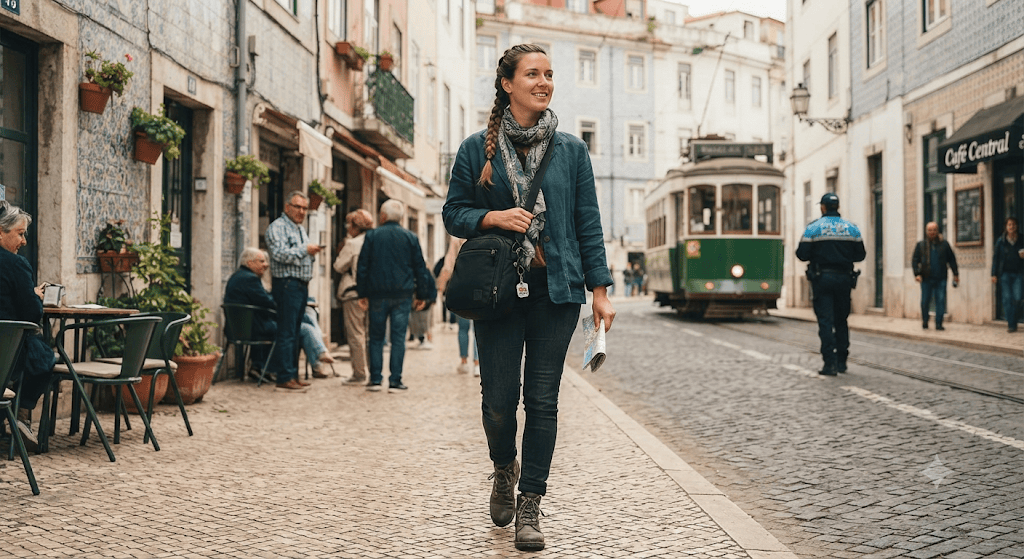
The first time I traveled alone, I spent the entire first day waiting for something to feel wrong. No one to check in with about where to eat, no one to ask “should we go left or right,” no one to notice if I got quiet for a while. I kept expecting the loneliness to hit. It never quite did — and that surprised me more than the trip itself.

What hit instead was something closer to clarity.

You stop performing the trip

When you travel with people, even the ones you love most, there’s a quiet, constant negotiation happening — where to go, what to skip, how long to stay somewhere, whose pace to follow. Most of it is so small you don’t even notice you’re doing it. Alone, all of that disappears. I sat in a café for two hours longer than any “reasonable” itinerary would allow, simply because I wasn’t done sitting there. No one needed convincing. No one was checking their phone for the next plan. It was just me, deciding, in real time, what I actually wanted — not what would keep the group happy.

I didn’t realize how rarely I did that until I noticed how unfamiliar it felt.

You start noticing things you’d normally talk over

Conversation is wonderful, but it also fills space that silence would otherwise use for noticing. Alone, I found myself actually looking at things — the way light moved across a wall in the afternoon, a conversation between two strangers at the next table, the specific sound a place makes when it’s mostly empty. None of it was dramatic. All of it stayed with me longer than most conversations from group trips ever have.

You become genuinely resourceful, not performatively brave

There’s a difference between being told you’re capable and actually finding out. Booking the wrong train and figuring out the fix yourself. Getting mildly lost and asking a stranger for directions in a language you don’t fully speak. None of these moments felt like adventure while they were happening — they felt inconvenient, honestly. But somewhere after the trip, I noticed I’d stopped assuming I’d need someone else to handle the hard parts. That confidence didn’t come from a pep talk. It came from evidence.

Safety planning becomes second nature, not paranoia

I won’t pretend solo travel, especially as a woman, doesn’t require extra thought — it does, and pretending otherwise helps no one. Sharing your live location with someone you trust, choosing accommodations with good lighting and reviews from other solo women travelers, trusting your gut the moment something feels off rather than talking yourself out of the feeling — these aren’t signs of fear. They’re just part of how you plan responsibly, the same way you’d check the weather before packing. Once they become habit, they stop feeling heavy.

You come back different in ways that are hard to explain

The strangest part of solo travel isn’t the trip — it’s the return. I came back and couldn’t quite explain what had changed, because nothing dramatic had happened. No grand epiphany, no life-altering encounter. Just dozens of small moments of choosing for myself, noticing more, and trusting my own judgment without a second opinion in the room. Somehow that adds up to something that feels a lot like knowing yourself a little better than before you left.

You don’t need a big, symbolic reason to travel alone. Sometimes the only reason you need is that no one else’s plan will show you what yours looks like.

Have you traveled solo before? I’d love to know what surprised you most about it.