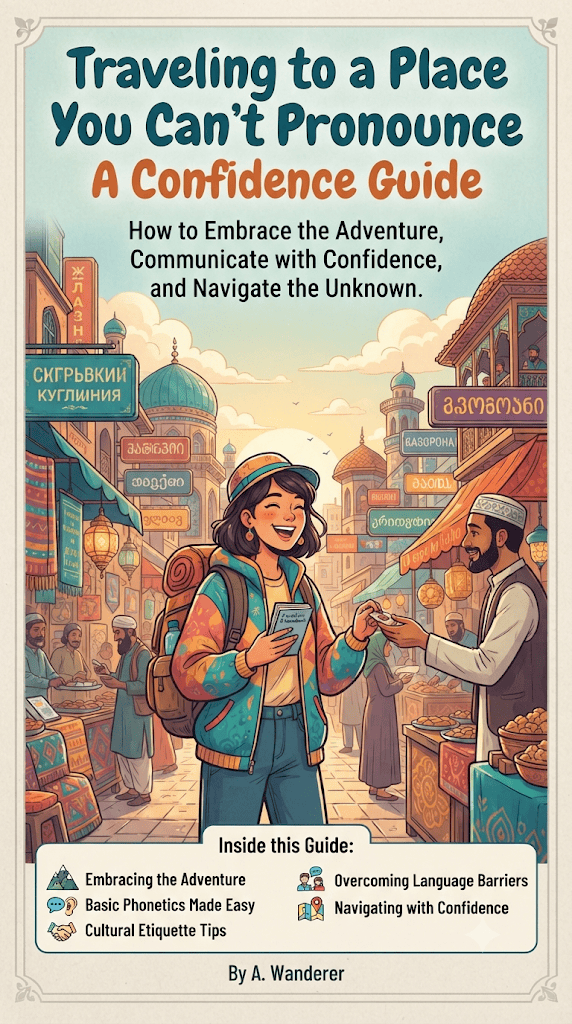
Traveling to a Place You Can’t Pronounce: A Confidence Guide

Why This Worry Is So Common

A name you can’t say out loud feels like a small but real barrier — at the ticket counter, asking for directions, telling people where you’re headed. It’s a minor anxiety that quietly shrinks some people’s travel wish lists.

Nobody Expects Perfect Pronunciation

Locals are almost always more pleased that you’re trying than bothered by an imperfect accent. A genuine attempt, even an imperfect one, usually lands better than avoiding the word altogether.

Practical Ways to Get Comfortable

  1. Listen before you go. Search the place name on YouTube or a pronunciation app and play it a few times.
  2. Break it into syllables. Write it out phonetically in your notes app for quick reference.
  3. Ask, don’t guess, on arrival. “Did I say that right?” is a great icebreaker with locals.
  4. Use it in context early. Practise saying it in a sentence, not just as an isolated word — that’s how you’ll actually use it.

When Words Still Trip You Up

Pointing at a map, showing a written note, or using a translation app are all perfectly fine backups. Communication doesn’t require perfect pronunciation — it requires getting understood.

Don’t Let This Shrink Your Travel List

Some of the most memorable places have names that take a few tries to get right. Letting that stop you means missing out over something locals will likely forget within the conversation.

Bottom Line

A hard-to-pronounce name is a small hurdle, not a real barrier. A little preparation — and a willingness to be corrected kindly — gets you past it faster than you’d think.

Solo Dining While Traveling: Getting Comfortable With Your Own Company

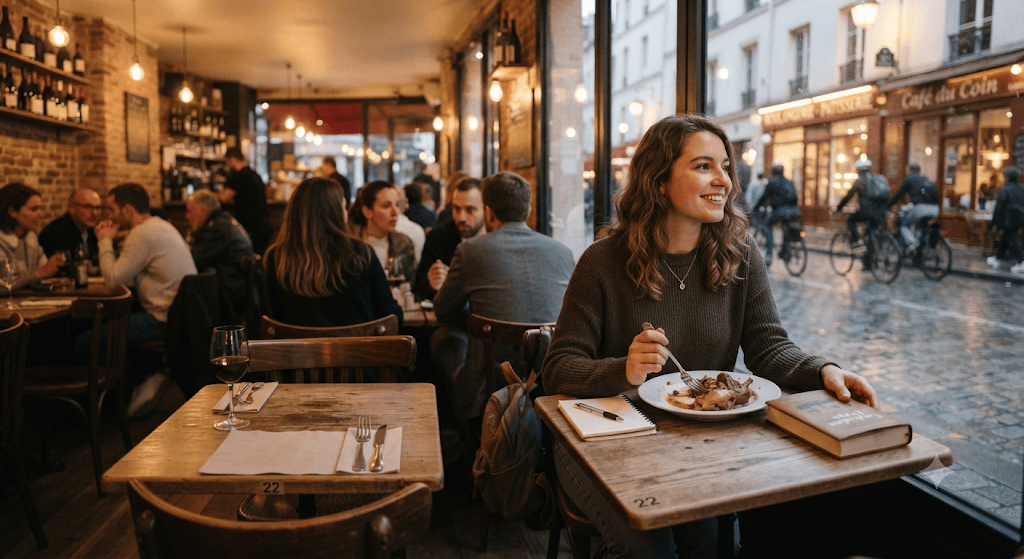
Solo travelers often say the same thing: navigating a new city alone feels fine, but sitting down alone at a restaurant table still triggers a wave of self-consciousness unlike almost anything else about traveling solo. Here’s how to work through that, and eventually enjoy it.

Why It Feels Different From Other Solo Moments

Walking around a city alone feels purposeful — you’re clearly doing something. Sitting at a table alone, with nothing to visibly “do,” can feel exposed in a way that triggers an irrational worry that everyone around you is noticing and judging. In reality, almost no one is paying attention at all.

Start With Lower-Pressure Settings

Cafés, casual street-food spots, or counter seating at a small eatery are far less intimidating first steps than a formal sit-down restaurant. Building comfort in lower-stakes settings first makes the transition to a proper solo restaurant meal feel much less daunting.

Bring Something, But Don’t Hide Behind It

A book, journal, or phone can ease the initial self-consciousness, but constantly staring at it defeats part of the purpose of solo dining — actually noticing the place you’re in. A middle ground works well: something to glance at occasionally, without using it as a permanent shield.

Choose Seating That Feels Comfortable

Many restaurants offer counter seating, window tables, or people-watching spots that feel more natural for solo diners than a large table clearly meant for groups. Requesting this specifically, rather than defaulting to wherever you’re seated, makes a real difference.

Order With Confidence, Not Apology

There’s no need to explain or apologize for dining alone — a confident, simple order communicates that this is a normal, deliberate choice, not something requiring justification to the staff or anyone else in the room.

Use the Time Intentionally

Solo meals are a rare, uninterrupted window to actually notice a place — the way people talk, the specific flavors, the atmosphere — attention that’s often lost in group settings where conversation dominates. Framing it as an experience rather than something to get through changes how it feels.

It Gets Easier Fast

Almost every solo traveler describes the same arc — intense self-consciousness the first time or two, followed by growing comfort, and eventually genuine enjoyment of solo meals as one of the more reflective parts of traveling alone.

Bottom Line

Solo dining feels like the hardest part of traveling alone mostly because it’s unfamiliar, not because anyone is actually watching. A few deliberate first attempts in lower-pressure settings usually turns this into one of the more rewarding parts of solo travel, not the most dreaded.

Why Traveling Alone Changed How I See the World

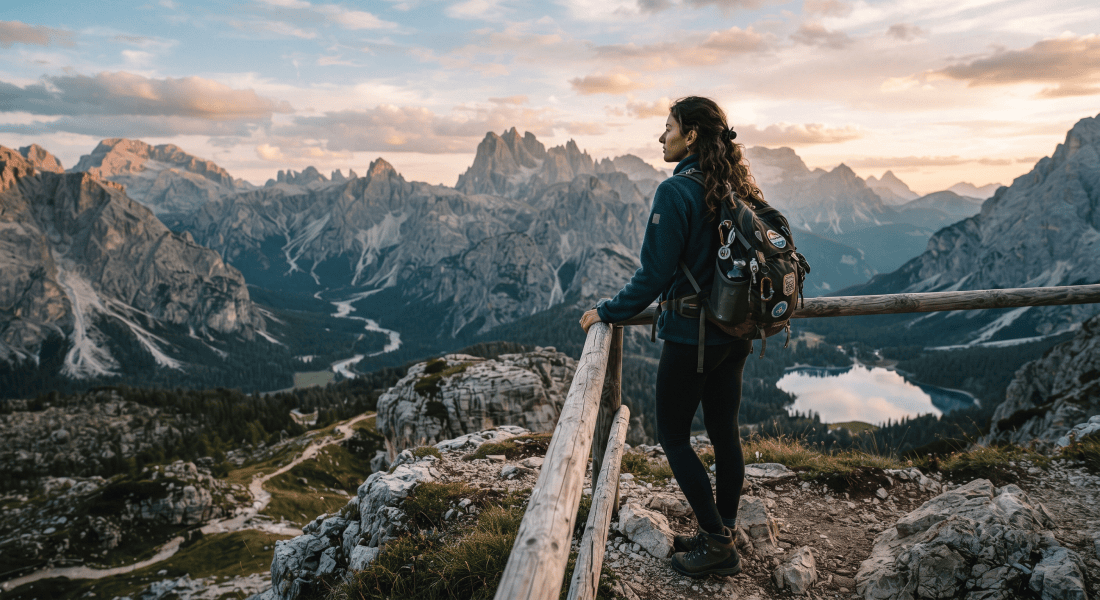
The first time I traveled alone, I spent the entire first day waiting for something to feel wrong. No one to check in with about where to eat, no one to ask “should we go left or right,” no one to notice if I got quiet for a while. I kept expecting the loneliness to hit. It never quite did — and that surprised me more than the trip itself.

What hit instead was something closer to clarity.

You stop performing the trip

When you travel with people, even the ones you love most, there’s a quiet, constant negotiation happening — where to go, what to skip, how long to stay somewhere, whose pace to follow. Most of it is so small you don’t even notice you’re doing it. Alone, all of that disappears. I sat in a café for two hours longer than any “reasonable” itinerary would allow, simply because I wasn’t done sitting there. No one needed convincing. No one was checking their phone for the next plan. It was just me, deciding, in real time, what I actually wanted — not what would keep the group happy.

I didn’t realize how rarely I did that until I noticed how unfamiliar it felt.

You start noticing things you’d normally talk over

Conversation is wonderful, but it also fills space that silence would otherwise use for noticing. Alone, I found myself actually looking at things — the way light moved across a wall in the afternoon, a conversation between two strangers at the next table, the specific sound a place makes when it’s mostly empty. None of it was dramatic. All of it stayed with me longer than most conversations from group trips ever have.

You become genuinely resourceful, not performatively brave

There’s a difference between being told you’re capable and actually finding out. Booking the wrong train and figuring out the fix yourself. Getting mildly lost and asking a stranger for directions in a language you don’t fully speak. None of these moments felt like adventure while they were happening — they felt inconvenient, honestly. But somewhere after the trip, I noticed I’d stopped assuming I’d need someone else to handle the hard parts. That confidence didn’t come from a pep talk. It came from evidence.

Safety planning becomes second nature, not paranoia

I won’t pretend solo travel, especially as a woman, doesn’t require extra thought — it does, and pretending otherwise helps no one. Sharing your live location with someone you trust, choosing accommodations with good lighting and reviews from other solo women travelers, trusting your gut the moment something feels off rather than talking yourself out of the feeling — these aren’t signs of fear. They’re just part of how you plan responsibly, the same way you’d check the weather before packing. Once they become habit, they stop feeling heavy.

You come back different in ways that are hard to explain

The strangest part of solo travel isn’t the trip — it’s the return. I came back and couldn’t quite explain what had changed, because nothing dramatic had happened. No grand epiphany, no life-altering encounter. Just dozens of small moments of choosing for myself, noticing more, and trusting my own judgment without a second opinion in the room. Somehow that adds up to something that feels a lot like knowing yourself a little better than before you left.

You don’t need a big, symbolic reason to travel alone. Sometimes the only reason you need is that no one else’s plan will show you what yours looks like.

Have you traveled solo before? I’d love to know what surprised you most about it.