Traveling During Your Pregnancy: What Actually Works

The Second Trimester Is Usually the Sweet Spot

Most of the nausea and extreme fatigue of the first trimester has typically eased by the second, and the size and discomfort of the third haven’t set in yet. This is why most doctors and experienced travelers point to weeks 14–27 as the most comfortable window for trips, though every pregnancy is different enough that this is a general pattern, not a guarantee.

Get the Green Light First, Not as an Afterthought

A quick check-in with your doctor before booking — not just before departure — helps you plan around any pregnancy-specific risk factors, flag destinations with limited medical access, and get clarity on any airline documentation you might need closer to your due date.

Comfort Gear Is Not Optional Luxury

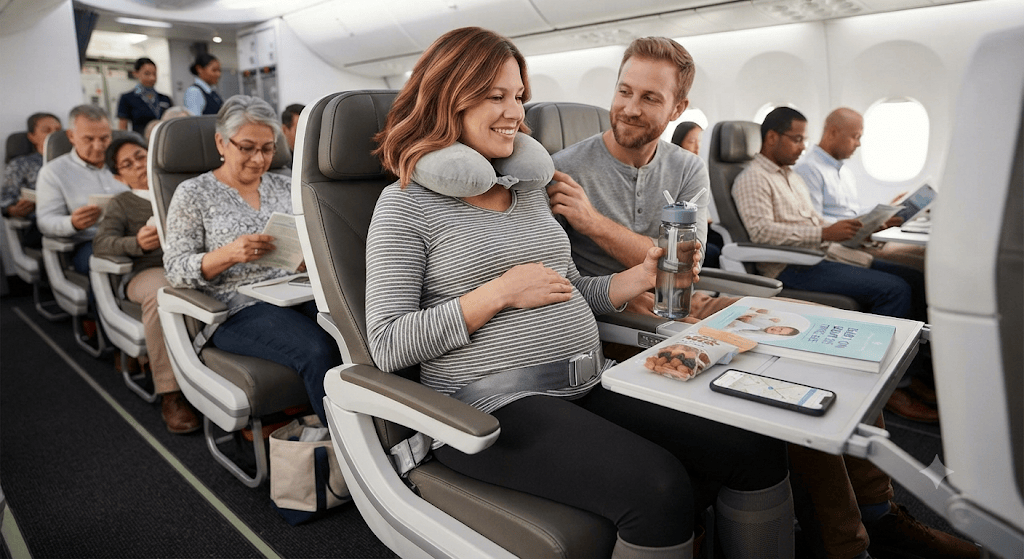
A compression sock pair, a travel pillow that actually supports your lower back, and snacks that settle an unpredictable stomach aren’t indulgences on a pregnancy trip — they’re the difference between a manageable journey and a miserable one. Packing light matters more than usual, since you’ll have less patience for wrestling heavy bags.

Build In More Stops Than You Think You Need

Long stretches without movement increase discomfort and circulation issues. Choosing itineraries with natural breaks — a stopover flight instead of one long haul, a road trip with planned rest points — makes a real difference in how your body handles the trip.

Know Where the Nearest Hospital Is, Always

This isn’t about expecting something to go wrong — it’s about removing one more thing to figure out under stress if it does. Knowing the nearest reliable medical facility at every stop is a five-minute research task that buys real peace of mind.

Bottom Line

Traveling while pregnant isn’t off-limits — it just asks for more intentional planning than your usual trips did. Get the medical go-ahead, pack for comfort, and build slack into the schedule.
Traveling With Aging Parents: A Daughter’s Guide

The Pace Has to Change First

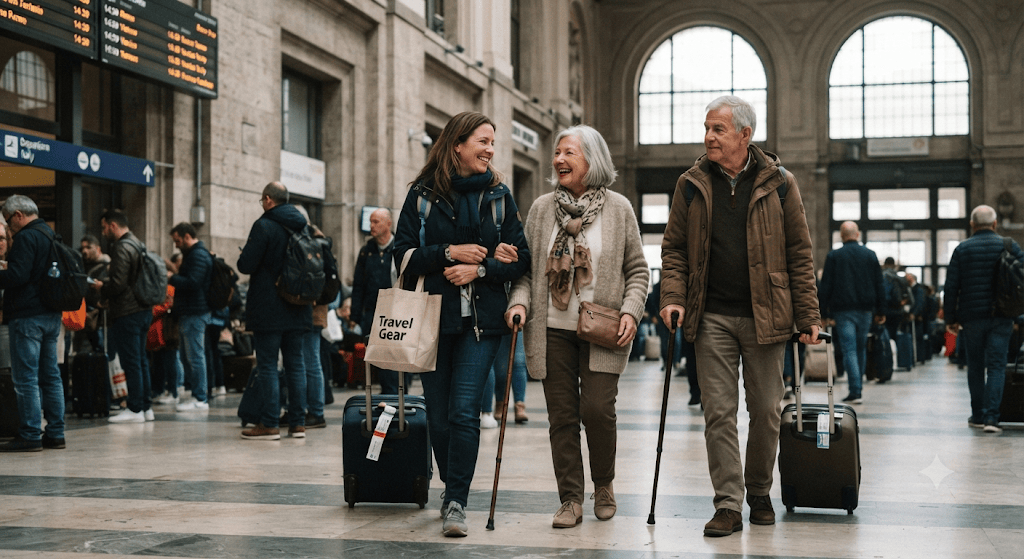
The biggest adjustment isn’t the destination, it’s the rhythm. Fewer stops per day, built-in rest windows, and no back-to-back travel days. Trying to fit a solo-trip pace onto a trip with parents usually ends in exhaustion for everyone, including you.

Pick Places With Easy Logistics

Destinations with step-free access, nearby medical facilities, and short transfer times between stops reduce stress far more than a scenic-but-remote location will add to the experience. It’s worth choosing comfort over checklist-worthy sights, especially on a first trip together.

Have the Health Conversation Before You Book

A quiet, practical conversation about mobility limits, medication schedules, and comfort levels — before booking anything — saves you from having it mid-trip under pressure. It’s an uncomfortable conversation to initiate, but it’s far easier done at home than in an unfamiliar city.

Let Them Lead Some of the Decisions

Aging parents are often used to being planned around rather than planned with. Involving them in choosing at least a few stops — a restaurant, a specific sight, a pace for the day — turns the trip into something shared rather than something managed.

Pack for Two Different Travelers

Your carry-on essentials and theirs will look different. A basic travel medical kit, familiar snacks, and a printed (not just digital) itinerary go a long way in reducing anxiety for a parent who may not be as comfortable navigating apps and QR codes on the move.

Bottom Line

Traveling with aging parents isn’t a scaled-down version of your usual trip — it’s a different kind of trip entirely, built around comfort and connection rather than distance covered.

Why Traveling Alone Changed How I See the World

The first time I traveled alone, I spent the entire first day waiting for something to feel wrong. No one to check in with about where to eat, no one to ask “should we go left or right,” no one to notice if I got quiet for a while. I kept expecting the loneliness to hit. It never quite did — and that surprised me more than the trip itself.

What hit instead was something closer to clarity.

You stop performing the trip

When you travel with people, even the ones you love most, there’s a quiet, constant negotiation happening — where to go, what to skip, how long to stay somewhere, whose pace to follow. Most of it is so small you don’t even notice you’re doing it. Alone, all of that disappears. I sat in a café for two hours longer than any “reasonable” itinerary would allow, simply because I wasn’t done sitting there. No one needed convincing. No one was checking their phone for the next plan. It was just me, deciding, in real time, what I actually wanted — not what would keep the group happy.

I didn’t realize how rarely I did that until I noticed how unfamiliar it felt.

You start noticing things you’d normally talk over

Conversation is wonderful, but it also fills space that silence would otherwise use for noticing. Alone, I found myself actually looking at things — the way light moved across a wall in the afternoon, a conversation between two strangers at the next table, the specific sound a place makes when it’s mostly empty. None of it was dramatic. All of it stayed with me longer than most conversations from group trips ever have.

You become genuinely resourceful, not performatively brave

There’s a difference between being told you’re capable and actually finding out. Booking the wrong train and figuring out the fix yourself. Getting mildly lost and asking a stranger for directions in a language you don’t fully speak. None of these moments felt like adventure while they were happening — they felt inconvenient, honestly. But somewhere after the trip, I noticed I’d stopped assuming I’d need someone else to handle the hard parts. That confidence didn’t come from a pep talk. It came from evidence.

Safety planning becomes second nature, not paranoia

I won’t pretend solo travel, especially as a woman, doesn’t require extra thought — it does, and pretending otherwise helps no one. Sharing your live location with someone you trust, choosing accommodations with good lighting and reviews from other solo women travelers, trusting your gut the moment something feels off rather than talking yourself out of the feeling — these aren’t signs of fear. They’re just part of how you plan responsibly, the same way you’d check the weather before packing. Once they become habit, they stop feeling heavy.

You come back different in ways that are hard to explain

The strangest part of solo travel isn’t the trip — it’s the return. I came back and couldn’t quite explain what had changed, because nothing dramatic had happened. No grand epiphany, no life-altering encounter. Just dozens of small moments of choosing for myself, noticing more, and trusting my own judgment without a second opinion in the room. Somehow that adds up to something that feels a lot like knowing yourself a little better than before you left.

You don’t need a big, symbolic reason to travel alone. Sometimes the only reason you need is that no one else’s plan will show you what yours looks like.

Have you traveled solo before? I’d love to know what surprised you most about it.