Women Who Are Changing the Environment Movement in India

India’s environmental movement has been shaped by women at every stage — from centuries-old sacrifice to present-day grassroots leadership. Here are a few whose work deserves to be known better.

Amrita Devi Bishnoi (18th century)
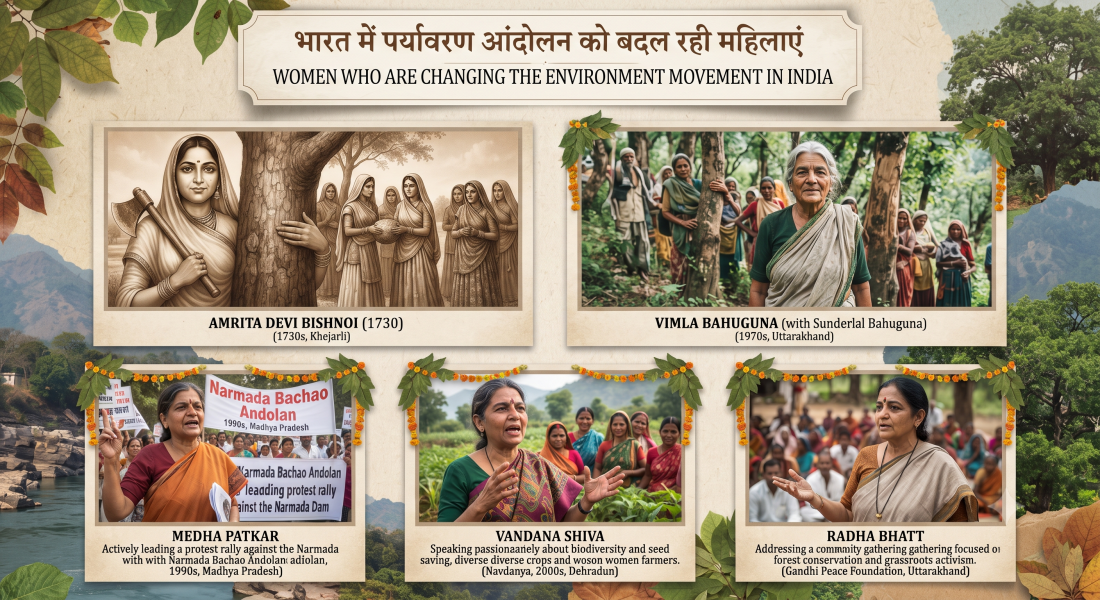
Long before “environmentalism” was a word, Amrita Devi gave her life protecting Khejri trees in her Rajasthan village from being cut down for royal construction — her three daughters followed her example. Her sacrifice remains one of the earliest known acts of environmental resistance in India.

Vimla Bahuguna
A key organizer of the Chipko Movement in the 1970s, Vimla worked closely with rural women across the Himalayan region to mobilize the tree-hugging protests that stopped commercial logging — a movement that became a global symbol of grassroots environmental action.

Medha Patkar
Founder of the Narmada Bachao Andolan in 1989, Medha Patkar has spent decades opposing large dam projects that displaced hundreds of thousands of people, using hunger strikes and sustained public advocacy to bring the issue to national attention.

Vandana Shiva
A leading voice in the global ecofeminist movement, Vandana Shiva has long advocated for farming systems that center women’s roles in agriculture, challenging exclusionary practices in how land and resources are managed.

Radha Bhatt
A Gandhian social worker connected to the Chipko movement, Radha Bhatt has spent decades on environmental conservation and women’s empowerment work in Uttarakhand, and was honored with the Padma Shri in 2025 for her contributions.

These stories span centuries, but the thread connecting them is the same — women showing up, again and again, for causes that often didn’t credit them enough at the time. Worth remembering, and worth continuing.

Eco-Friendly Products I Actually Use Daily

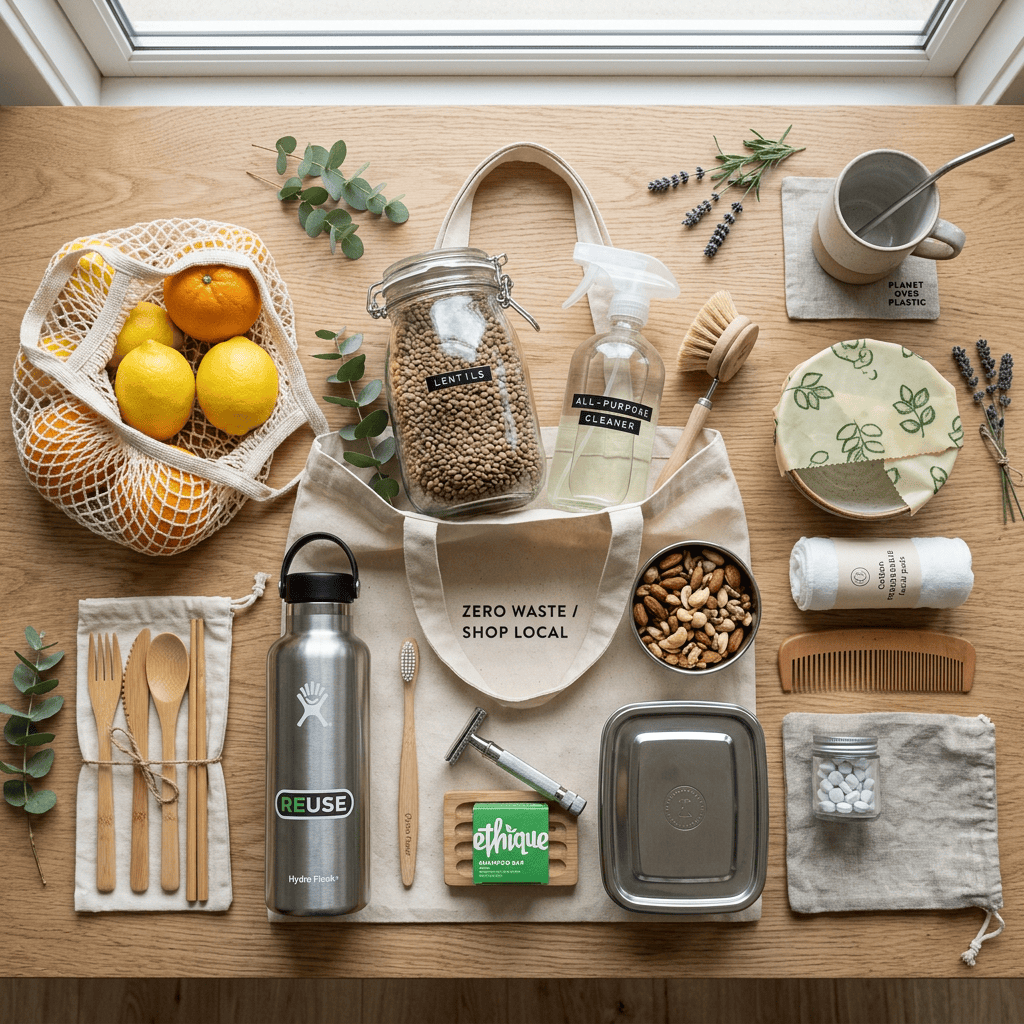
Zero waste items including reusable bag, stainless steel water bottle, wooden utensils, glass jar with lentils, natural cleaning spray, bamboo toothbrush, metal food container, shampoo bar, comb, and cotton rounds.

There’s a lot of noise around “zero waste” living that can feel overwhelming — bamboo everything, expensive swaps, an all-or-nothing pressure. What’s actually worked for me is much simpler: a handful of everyday products that quietly replaced their plastic-heavy counterparts, without needing a lifestyle overhaul.

1. Steel water bottle
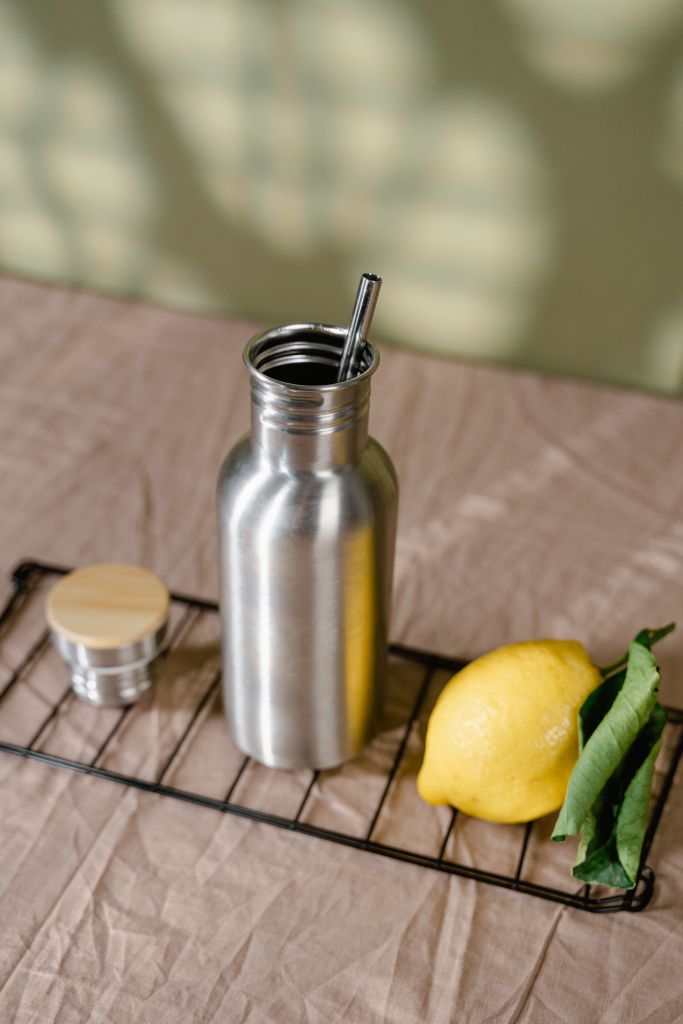
The one swap that’s stuck the longest. No more buying plastic bottles when out, and it keeps water cool for hours.

2. Cloth pouches for groceries
Instead of taking a plastic bag for every small grocery run, a couple of cloth pouches folded into my bag handle most day-to-day shopping.

3. Bar shampoo
Skeptical at first, but a good bar shampoo lasts far longer than a bottle and skips the plastic packaging entirely. Bathroom shelf looks less cluttered too.

4. Reusable makeup remover pads
Replaced cotton pads completely — wash, reuse, repeat. Small change, but it adds up over months.

5. Steel lunch box
Swapped plastic containers for a steel one — keeps food fresher, and there’s no worry about plastic leaching into hot food.

None of these needed a “big” commitment — I added them one at a time, whenever the old version ran out or wore out. That’s usually the easiest way for a swap to actually stick, instead of trying to overhaul everything at once.

Budget-Friendly Sustainable Travel Destinations Near Delhi/NCR

You don’t need a big budget or a long vacation to travel more sustainably. Some of the best eco-conscious getaways are just a few hours from Delhi — easy on the pocket, and easy on the planet too.

1. Sultanpur National Park (Gurugram)
Just an hour from Delhi, this bird sanctuary is perfect for a low-impact day trip. No fancy resorts needed — go early morning, carry a reusable water bottle, and enjoy one of the richest birdwatching spots near the city, almost entirely on foot.

2. Sariska Tiger Reserve (Rajasthan)
A few hours away, Sariska combines wildlife conservation with budget-friendly stays in nearby villages. Choose a local homestay over a big resort — it supports the community directly and usually costs a fraction of the price.

3. Bharatpur — Keoladeo National Park (Rajasthan)
A UNESCO World Heritage bird sanctuary, best explored by cycle-rickshaw or on foot rather than a vehicle. It’s one of the most sustainable ways to experience wildlife tourism near Delhi, and entry fees are modest.

4. Morni Hills (Haryana)
One of the least commercialized hill destinations near Delhi — quiet, green, and largely untouched by mass tourism. Local guesthouses over big chains keep both your budget and your footprint small.

5. Dhanaulti (Uttarakhand)
Less crowded than Mussoorie, Dhanaulti has an eco-park and forest trails ideal for slow, mindful travel. Public buses connect well from Delhi, cutting down on the need for a private vehicle.

A few sustainable travel habits worth carrying along, wherever you go:

  • Carry a reusable bottle and cloth bag (ties back nicely to our plastic-swap habits!)
  • Choose homestays or local guesthouses over big resorts when possible
  • Public transport or shared cabs over solo drives
  • Leave no trace — carry your trash back if bins aren’t available

Sustainable travel doesn’t have to mean expensive eco-resorts. Sometimes it’s just choosing the slower, simpler, more local option — which usually turns out lighter on the wallet too.

5 Simple Swaps to Reduce Plastic at Home

Plastic is everywhere in our daily lives — often without us even noticing. The good news is that reducing it doesn’t mean overhauling your entire home overnight. Small, consistent swaps add up over time. Here are five easy ones to start with:

1. Cloth bags instead of plastic bags
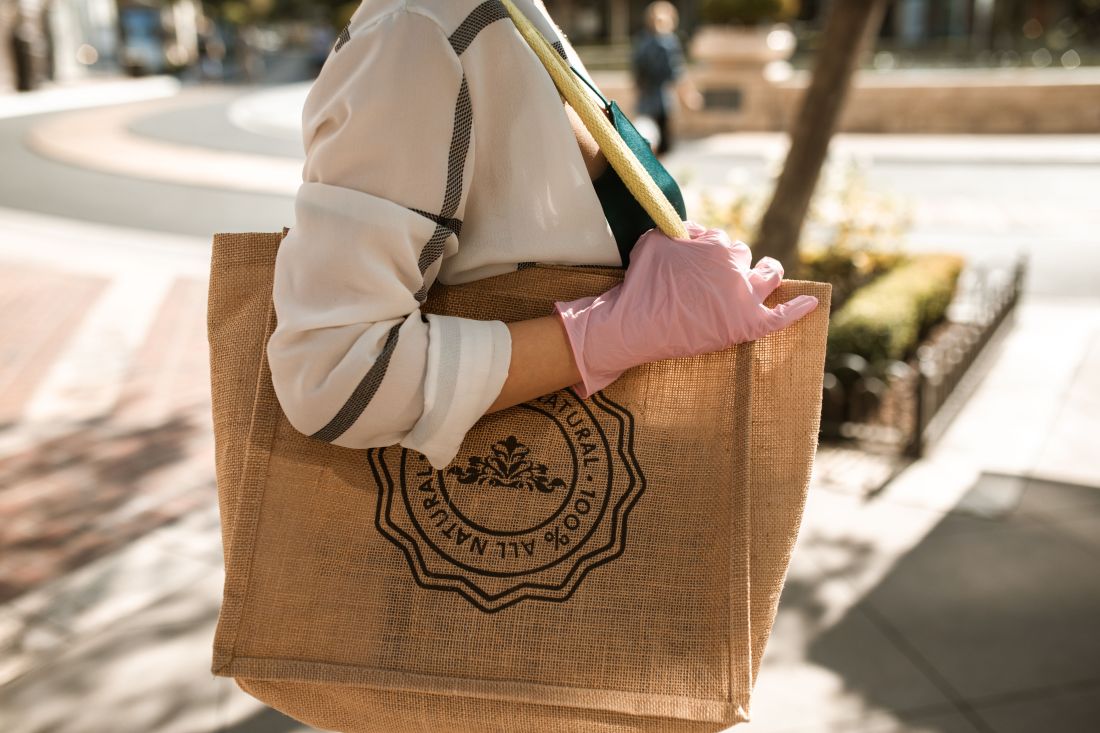
Keep a couple of cloth or jute bags near your front door or in your car. It sounds simple, but having them within reach is the difference between remembering and forgetting when you’re out shopping.

2. Steel or glass bottles instead of plastic ones
A good steel bottle lasts years and keeps water cooler for longer too. It pays for itself quickly compared to buying plastic bottles repeatedly.

3. Reusable containers instead of cling wrap
Steel or glass containers for storing leftovers not only cut down on plastic waste but also keep food fresher for longer.

4. Bar soap and shampoo bars instead of bottled versions
Bathroom plastic adds up fast — shampoo, conditioner, body wash bottles. Bar alternatives have gotten much better in quality recently and cut out a surprising amount of plastic.

5. Wooden or bamboo kitchen tools instead of plastic ones
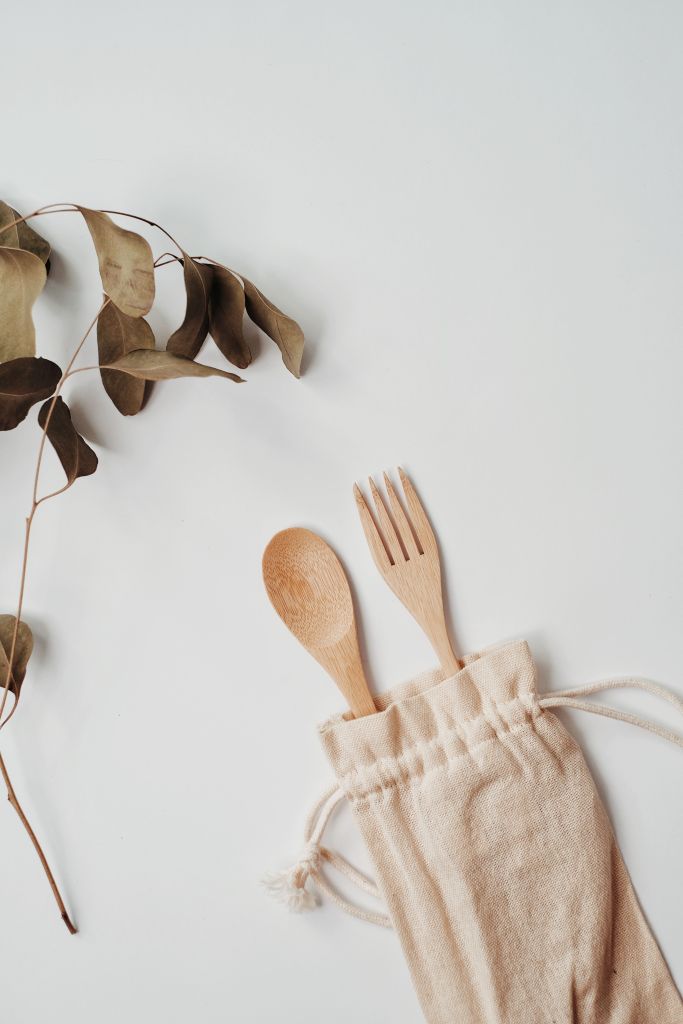
Spatulas, spoons, chopping boards — small kitchen swaps that last long and don’t shed microplastics into your food over time.

None of these need to happen all at once. Pick one this week, get used to it, then move to the next. That’s usually how lasting habits actually stick.