The Women Farmers Bringing Millets Back to the Plate

A Grain Policy That Looked Elsewhere

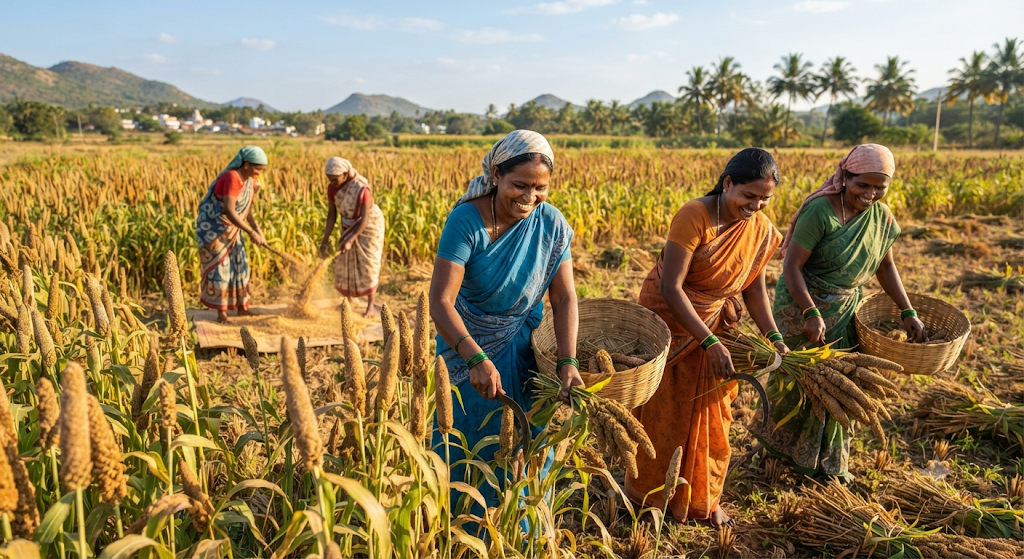
For decades, agriculture policy and public food systems in India leaned heavily towards rice and wheat. Millets, which are hardy, drought-tolerant and nutrient-rich, were pushed to the margins even though tribal and small farming communities had long depended on them. In 2023, the UN marked the International Year of Millets after an India-sponsored resolution, and national attention grew.

Women Doing the Revival

Dharwad, Karnataka. A women’s self-help group in Mattigatti village revived 77 nearly forgotten varieties of ragi (finger millet), with seed and technical support from an organic farmers’ association. They faced unpredictable rainfall, but the seeds they saved are now shared with other farmers.

Dindori, Madhya Pradesh. A development project that began in 2013-14 started with 1,497 women farmers from 40 villages, mostly from Gond and Baiga communities, growing kodo and kutki millets on about 749 acres. Their self-help group federation handled procurement and mechanical de-hulling, which replaced the slow task of hand-pounding.

Udaipur, Rajasthan. An NGO-supported women’s group grows millets, sells packaged millet products at city events and serves millet lunches, building both income and pride in a traditional food.

Chizami, Nagaland. Women act as custodians of seed diversity, including foxtail millet, and are beginning to sell surplus for income.

Why Millets Make Sense

  • They need less water and handle heat and drought better than many major crops
  • They grow with low input costs
  • They’re nutritious and can anchor local diets

What Still Needs Work

Market outlets are still developing in many areas, processing is labour-heavy without machines and consumers need more convenient millet products.

How to Support Them

  1. Buy millets from women-led groups and FPOs
  2. Ask local restaurants and cafes if they serve millet dishes
  3. Try cooking one new millet each month

Bottom Line

Millets never really disappeared. They were kept alive by farmers, mostly women, who refused to let them go. Now the rest of us are catching up.
The Rise of Women-Led Farming Collectives in Rural India

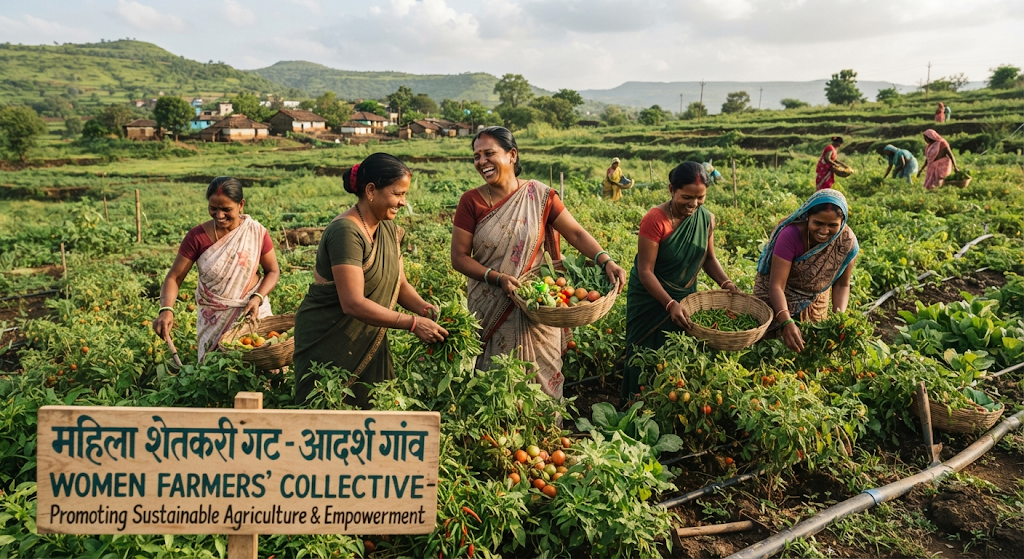
Women have always done a large share of farm labor in rural India — sowing, weeding, harvesting — without necessarily owning the land or having a say in how it’s managed. Women-led farming collectives are steadily changing that equation, giving women both economic control and collective bargaining power.

Why Collectives Formed in the First Place

Individual women farmers, especially those without land titles in their own name, historically had little access to credit, government schemes, or fair pricing for their produce. Pooling together into collectives gave them the scale and negotiating power that no single small farmer could achieve alone.

What These Collectives Actually Do

Beyond farming itself, many collectives handle shared resources — bulk seed purchasing, shared equipment, group access to credit — and collectively negotiate prices with buyers, cutting out the middlemen who traditionally captured most of the margin from individual small-scale farmers.

Shifting Who Owns the Decision

In many traditional setups, women did the labor while land and decision-making stayed with men in the household. Collectives built specifically around women members shift that dynamic — decisions about what to grow, how to sell, and how to reinvest profits are made by the women actually doing the work.

Government and NGO Support

Various state-level schemes and NGO partnerships have specifically targeted support toward women’s farming groups — training in sustainable practices, access to microfinance, and market linkage programs designed to help collectives sell directly rather than through multiple layers of traders.

The Ripple Effect Beyond Farming

Income earned through these collectives often goes directly toward things individual women prioritize — children’s education, household nutrition, healthcare — creating impact that extends well past the immediate farming income itself.

Challenges That Remain

Land ownership laws, deep-rooted social norms about who “should” make agricultural decisions, and uneven access to training or credit across regions mean collectives don’t fix the underlying structural issues everywhere equally — progress remains uneven and hard-won in many parts of the country.

Bottom Line

Women-led farming collectives aren’t a symbolic gesture — they represent a genuine shift in who controls agricultural income and decisions in rural India. Slow and regionally uneven as the progress is, it’s steadily reshaping what agricultural leadership looks like at the village level.