Is Volunteer Tourism Actually Helping? A Closer Look

The Appeal Is Obvious

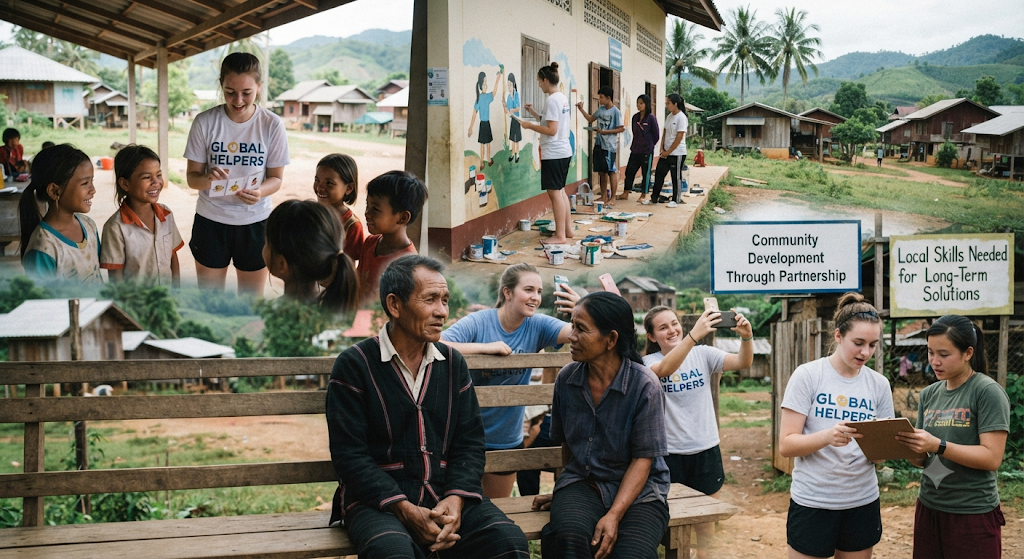
Spend a few days or weeks helping build a school, teach English or support children, and go home having “given back.” It’s an attractive idea — travel with purpose instead of just a passport stamp.

Where the Cracks Show

Most short-term volunteers aren’t trained for the work they’re assigned. Reports of unskilled volunteers redoing construction work overnight — because local workers quietly fixed it after the volunteers left — have become a recurring theme in critiques of the industry. In some cases, unskilled volunteer labour has even displaced paid local jobs.

Orphanage Volunteering: The Sharpest Criticism

Orphanage tourism draws the most concern. Child welfare organisations, including UNICEF and Save the Children, have jointly studied the impact of short-term volunteering on children’s care and found enough harm — including emotional distress from repeated attachment and abandonment cycles with rotating volunteers — to recommend eliminating short-term orphanage volunteering altogether. Some investigations have even found children placed in orphanages specifically to attract volunteer donations, despite having living family.

It’s Not All Bad — But the Framing Matters

Longer-term, skills-matched volunteering — where a volunteer’s actual expertise (medical, technical, educational) is used to support a request the local community itself made — tends to have a very different impact profile than a week-long, feel-good placement. The difference usually comes down to who identified the need, and who’s actually being served by the good feeling.

Questions to Ask Before You Sign Up

  1. Did the local community ask for this specific kind of help?
  2. Am I qualified to actually do this work?
  3. Does the organisation share what happens to fees after volunteers leave?
  4. Could a paid local worker do this instead — and should they?
  5. Is there any facility housing children specifically to host volunteer visits?

Bottom Line

Good intentions don’t automatically translate into good outcomes. If a trip’s main product is a feeling for the traveller rather than a need actually filled for the community, it’s worth a harder look before booking.
The Women Who Run India’s Self-Help Groups (And Why They Matter)

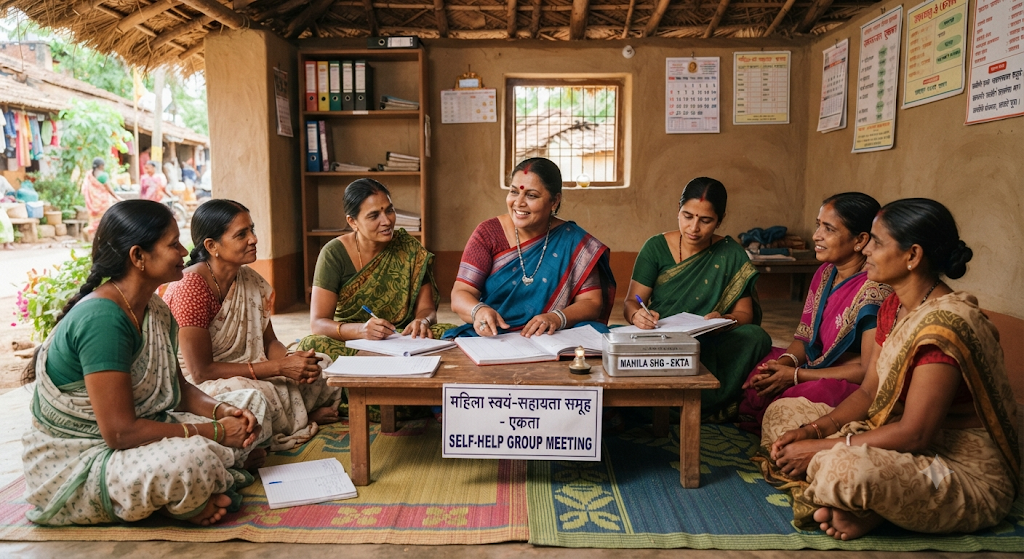
Long before “financial inclusion” became a policy buzzword, women across India were already building it themselves — through Self-Help Groups (SHGs), small collectives that pool savings, offer credit, and give members a level of financial independence many never had access to before.

What a Self-Help Group Actually Is

An SHG is typically a small group of 10-20 women who regularly pool small savings into a shared fund, from which members can borrow for personal or business needs — often without the collateral requirements or paperwork barriers that keep many women out of formal banking systems.

Why Banks Weren’t Working for These Women

Many women, especially in rural areas, historically had no independent credit history, no assets in their own name, and no formal employment record — all things traditional banks require. SHGs sidestepped this entirely by building trust and accountability within the group itself, rather than requiring external collateral.

Beyond Just Savings and Loans

Many SHGs have expanded well past simple savings circles into small collective businesses — food processing units, tailoring cooperatives, handicraft production — giving members not just credit access but an actual income stream, run and controlled by the group itself.

The Confidence Shift

For many women, especially those who had never handled money independently before, participating in an SHG’s financial decisions — voting on loans, managing shared funds, negotiating with buyers — builds a kind of confidence and decision-making experience that extends well beyond the group’s finances.

Government and Institutional Backing

Various national and state-level programs have worked to formalize and scale the SHG model, linking groups to bank credit at better terms and providing training — recognition that this grassroots model, largely built and run by women themselves, was already working better than many top-down alternatives.

The Ripple Effect on Families and Villages

Money earned or saved through SHGs often goes directly toward things like children’s school fees, healthcare, or home improvements — decisions frequently made by the women themselves, in households where financial decisions had previously been made almost entirely by men.

Bottom Line

Self-help groups are one of the clearest examples of a women-led model succeeding not because of external funding alone, but because of trust, accountability, and shared decision-making built entirely within the group. It’s a quiet but genuinely significant force behind rural women’s growing financial independence across India.

The Rise of Women-Led Farming Collectives in Rural India

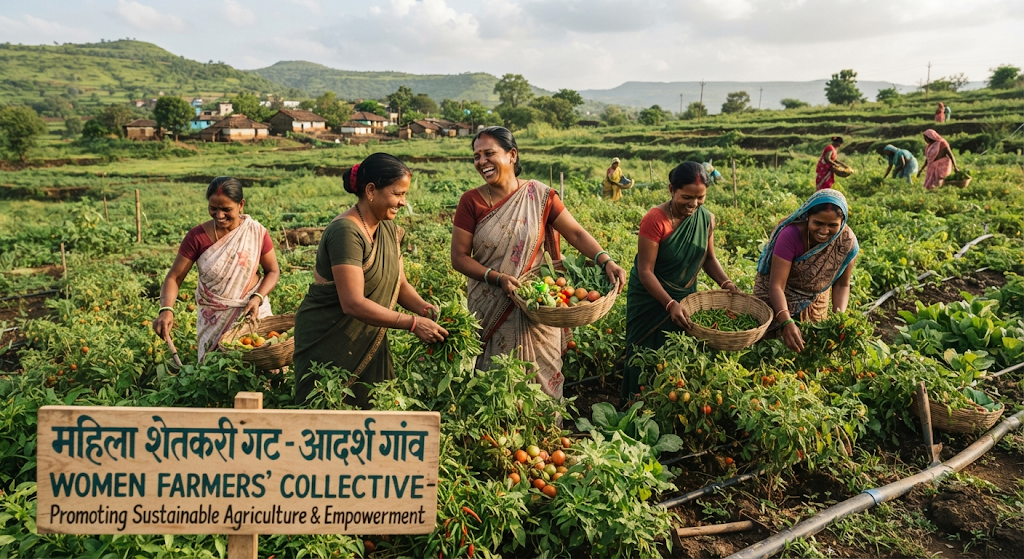
Women have always done a large share of farm labor in rural India — sowing, weeding, harvesting — without necessarily owning the land or having a say in how it’s managed. Women-led farming collectives are steadily changing that equation, giving women both economic control and collective bargaining power.

Why Collectives Formed in the First Place

Individual women farmers, especially those without land titles in their own name, historically had little access to credit, government schemes, or fair pricing for their produce. Pooling together into collectives gave them the scale and negotiating power that no single small farmer could achieve alone.

What These Collectives Actually Do

Beyond farming itself, many collectives handle shared resources — bulk seed purchasing, shared equipment, group access to credit — and collectively negotiate prices with buyers, cutting out the middlemen who traditionally captured most of the margin from individual small-scale farmers.

Shifting Who Owns the Decision

In many traditional setups, women did the labor while land and decision-making stayed with men in the household. Collectives built specifically around women members shift that dynamic — decisions about what to grow, how to sell, and how to reinvest profits are made by the women actually doing the work.

Government and NGO Support

Various state-level schemes and NGO partnerships have specifically targeted support toward women’s farming groups — training in sustainable practices, access to microfinance, and market linkage programs designed to help collectives sell directly rather than through multiple layers of traders.

The Ripple Effect Beyond Farming

Income earned through these collectives often goes directly toward things individual women prioritize — children’s education, household nutrition, healthcare — creating impact that extends well past the immediate farming income itself.

Challenges That Remain

Land ownership laws, deep-rooted social norms about who “should” make agricultural decisions, and uneven access to training or credit across regions mean collectives don’t fix the underlying structural issues everywhere equally — progress remains uneven and hard-won in many parts of the country.

Bottom Line

Women-led farming collectives aren’t a symbolic gesture — they represent a genuine shift in who controls agricultural income and decisions in rural India. Slow and regionally uneven as the progress is, it’s steadily reshaping what agricultural leadership looks like at the village level.