
How to Plan a Multi-Generational Family Trip Without Chaos

Accept That One Itinerary Won’t Fit Everyone

Grandparents want rest and familiar comforts, parents are managing kids and logistics, and younger family members want to actually explore. Trying to build a single schedule that satisfies all three is where most multi-generational trips start to strain. The fix isn’t compromise on every activity — it’s building in optional branches within the same trip.

Choose a Base, Not a Circuit

A single well-located base with day trips radiating out works far better than a moving itinerary with multiple hotel changes. It cuts down on the packing-unpacking cycle that’s exhausting for kids and genuinely hard on older joints, while still giving everyone new things to see each day.

Talk Budget Before You Talk Destination

Money is the fastest way a family trip turns tense, especially across generations with different financial comfort zones. Deciding upfront how costs will be split — evenly, by income, or with one generation treating a portion — avoids the awkward math happening in real time at checkout.

Build In Deliberate Together-Time and Apart-Time

Not every meal or activity needs the whole group. Scheduling a few must-do shared moments — one big dinner, one shared excursion — while leaving other blocks open for smaller groups to split off keeps the trip feeling like a choice rather than an obligation.

Plan for the Medical “What Ifs” Early

With older and younger travelers in the same group, having a shared understanding of medications, allergies, and the nearest reliable hospital at each stop isn’t paranoia — it’s the kind of prep that lets everyone actually relax once the trip starts.

Bottom Line

A multi-generational trip works when it’s designed around flexibility, not around forcing everyone into the same pace. Plan for difference, and the trip becomes a lot less chaotic than it looks on paper.
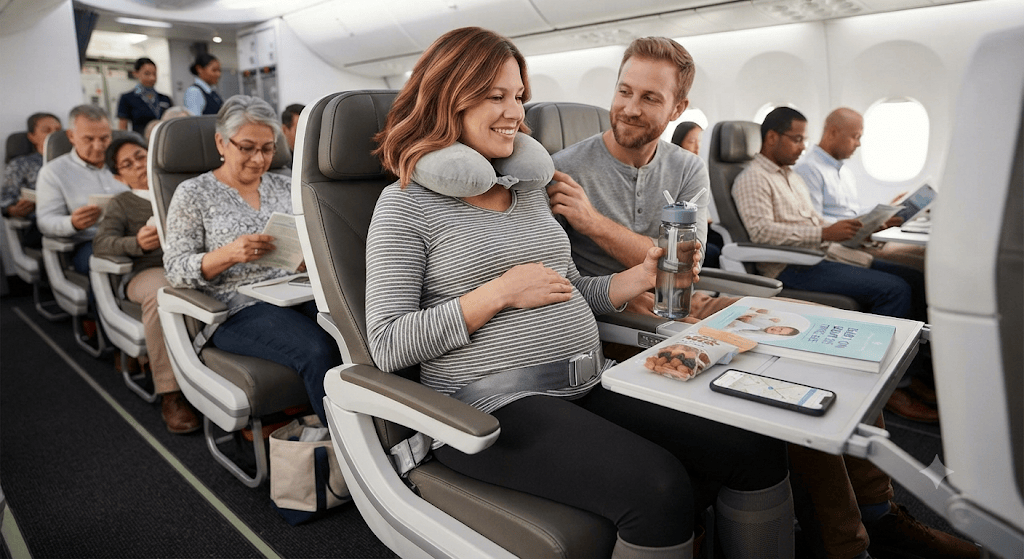

Traveling During Your Pregnancy: What Actually Works

The Second Trimester Is Usually the Sweet Spot

Most of the nausea and extreme fatigue of the first trimester has typically eased by the second, and the size and discomfort of the third haven’t set in yet. This is why most doctors and experienced travelers point to weeks 14–27 as the most comfortable window for trips, though every pregnancy is different enough that this is a general pattern, not a guarantee.

Get the Green Light First, Not as an Afterthought

A quick check-in with your doctor before booking — not just before departure — helps you plan around any pregnancy-specific risk factors, flag destinations with limited medical access, and get clarity on any airline documentation you might need closer to your due date.

Comfort Gear Is Not Optional Luxury

A compression sock pair, a travel pillow that actually supports your lower back, and snacks that settle an unpredictable stomach aren’t indulgences on a pregnancy trip — they’re the difference between a manageable journey and a miserable one. Packing light matters more than usual, since you’ll have less patience for wrestling heavy bags.

Build In More Stops Than You Think You Need

Long stretches without movement increase discomfort and circulation issues. Choosing itineraries with natural breaks — a stopover flight instead of one long haul, a road trip with planned rest points — makes a real difference in how your body handles the trip.

Know Where the Nearest Hospital Is, Always

This isn’t about expecting something to go wrong — it’s about removing one more thing to figure out under stress if it does. Knowing the nearest reliable medical facility at every stop is a five-minute research task that buys real peace of mind.

Bottom Line

Traveling while pregnant isn’t off-limits — it just asks for more intentional planning than your usual trips did. Get the medical go-ahead, pack for comfort, and build slack into the schedule.

Traveling With Aging Parents: A Daughter’s Guide

The Pace Has to Change First

The biggest adjustment isn’t the destination, it’s the rhythm. Fewer stops per day, built-in rest windows, and no back-to-back travel days. Trying to fit a solo-trip pace onto a trip with parents usually ends in exhaustion for everyone, including you.

Pick Places With Easy Logistics

Destinations with step-free access, nearby medical facilities, and short transfer times between stops reduce stress far more than a scenic-but-remote location will add to the experience. It’s worth choosing comfort over checklist-worthy sights, especially on a first trip together.

Have the Health Conversation Before You Book

A quiet, practical conversation about mobility limits, medication schedules, and comfort levels — before booking anything — saves you from having it mid-trip under pressure. It’s an uncomfortable conversation to initiate, but it’s far easier done at home than in an unfamiliar city.

Let Them Lead Some of the Decisions

Aging parents are often used to being planned around rather than planned with. Involving them in choosing at least a few stops — a restaurant, a specific sight, a pace for the day — turns the trip into something shared rather than something managed.

Pack for Two Different Travelers

Your carry-on essentials and theirs will look different. A basic travel medical kit, familiar snacks, and a printed (not just digital) itinerary go a long way in reducing anxiety for a parent who may not be as comfortable navigating apps and QR codes on the move.

Bottom Line

Traveling with aging parents isn’t a scaled-down version of your usual trip — it’s a different kind of trip entirely, built around comfort and connection rather than distance covered.