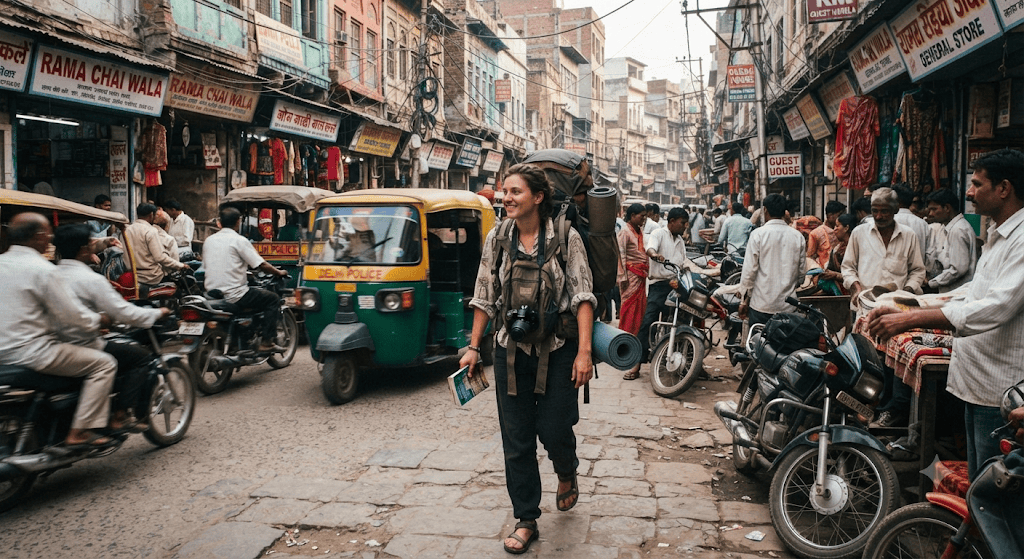
Women Who Turned Their Hobby Into a Travel Business

It Usually Starts With One Trip

Almost every woman-led travel business in India traces back to the same origin story: a solo trip, a backpacking detour, or a family holiday that turned into an obsession. What began as a hobby — planning itineraries for friends, documenting hidden trails, or running a small travel Instagram page — slowly turned into paying work. The hobby-to-business pipeline is especially visible among Indian women travel creators and curators, several of whom have been publicly recognized for building travel brands out of what started as personal passion projects.

Why Travel Businesses Are a Natural Pivot

Unlike many entrepreneurial paths, travel businesses built from a hobby don’t require a sudden reinvention. The credibility is already there — years of trip planning, local contacts, packing hacks, and a following that trusts your recommendations. That trust converts directly into bookings, sponsored trips, and curated tour packages.

The Real Work Behind the Wanderlust

What doesn’t show up on the Instagram grid is the operational side — vendor negotiations, safety protocols for group trips, cancellation policies, and the unglamorous admin of running any small business. Many women in this space talk about the shift from “traveling for fun” to “traveling as logistics,” where the joy has to be actively protected once it becomes work.

Turning Passion Into a Sustainable Model

The women who make it last usually specialize — solo women’s trips, offbeat treks, slow-travel itineraries, or culturally immersive experiences — rather than trying to compete with big travel agencies on price. Niche builds loyalty, and loyalty is what keeps a hobby-turned-business alive past the first excited year.

Bottom Line

A hobby becomes a business the moment someone else is willing to pay for your judgment. For India’s women travel entrepreneurs, that judgment was built one trip at a time — long before it ever became a job.

How to Plan a Girls’ Trip That Works for Every Budget in the Group

Group trips rarely fall apart over the destination — they fall apart over money. Someone wants a nicer stay, someone else is watching every rupee, and nobody wants to be the one who brings it up first. Here’s how to plan around that honestly.

Talk Budget Before Talking Destination

Choosing a destination first and discussing budget later almost guarantees mismatch — a dream location might be unaffordable for one or two people who then either overspend or drop out. Getting a rough number from everyone upfront should shape the destination choice, not follow it.

Use a Range, Not a Fixed Number

Asking “what’s your budget?” often gets vague or overly generous answers out of politeness. Asking for a comfortable range instead — “what’s the most and least you’d want to spend?” — tends to surface more honest numbers.

Separate “Must-Do” From “Nice-to-Have” Expenses

Splitting the trip into non-negotiables (accommodation, transport) and optional extras (spa day, a fancy dinner, shopping) lets everyone opt into the shared essentials while choosing individually on the optional spending, rather than forcing a single shared standard on everything.

Choose Accommodation With Flexible Options

Picking a stay with multiple room types — some shared dorms or triple rooms alongside private options — lets people self-select their comfort level and cost without an awkward conversation about who’s paying for what kind of room.

Avoid the “We’ll Split Everything Evenly” Trap

Splitting every cost evenly sounds fair but often isn’t — someone who skips the expensive dinner still ends up paying an equal share. Tracking who actually spent what, and settling based on real usage, avoids resentment that builds quietly over a trip.

Use a Shared Expense App

A simple shared-expense tracking app removes the awkwardness of manually calculating who owes what, and keeps the money conversation transparent and low-drama throughout the trip rather than as one big confrontation at the end.

Give Space for Someone to Opt Out of Certain Plans

Not every activity needs full group participation. Letting people skip an expensive add-on without guilt-tripping keeps the trip enjoyable for everyone, rather than pressuring the group into a single, uniformly priced experience.

Bottom Line

A girls’ trip that respects different budgets isn’t less fun — it’s usually more relaxed, because nobody’s quietly stressed about money the whole time. A little upfront honesty about spending goes further toward a good trip than any destination choice ever could.

Budget Backpacking in India: Real Costs for a Week-Long Trip

“Travel India for ₹500 a day” headlines make for good clicks, but rarely reflect what an actual week on the road costs once transport, food, and unexpected expenses are factored in. Here’s a more grounded, realistic breakdown.

Accommodation

Hostel dorm beds in popular backpacker circuits typically range from ₹300–800 a night, while budget guesthouses or basic homestays run somewhat higher, especially in tourist-heavy hill stations or coastal towns during peak season. Booking a few nights in advance in popular spots avoids scrambling for last-minute options at inflated prices.

Local and Intercity Transport

Sleeper class trains remain the cheapest way to cover long distances, often just a few hundred rupees for journeys that would cost far more by bus or flight. Local transport — autos, shared jeeps in hill areas, local buses — adds up gradually but stays manageable if you avoid tourist-rate private cabs.

Food

Eating at local dhabas and street food stalls instead of restaurants catering to tourists cuts food costs dramatically — a full day’s meals can often be managed within ₹300–500 if you’re not eating at cafés built around foreign backpacker prices.

The Costs Budget Guides Often Skip

  • SIM cards and data, especially if you need connectivity for bookings or safety check-ins
  • Entry fees for monuments, parks, or heritage sites, which add up faster than expected across a week
  • Buffer for delays — missed connections or weather-related detours that require an unplanned extra night somewhere
  • Basic travel insurance, often skipped by budget travelers but genuinely worth the small cost

A Realistic Weekly Range

Accounting for all of this, a genuinely budget-conscious week in India — not luxury, not uncomfortable either — tends to land somewhere in the ₹8,000–15,000 range per person, depending heavily on the region and season, rather than the unrealistically low figures often quoted online.

Where Real Savings Actually Come From

The biggest cost differences don’t come from squeezing every rupee on food, but from bigger decisions — traveling in off-season, choosing sleeper trains over flights, and picking fewer destinations to reduce transport costs, rather than rushing between too many places in one week.

Bottom Line

Budget backpacking in India is genuinely affordable compared to most parts of the world, but the “impossibly cheap” numbers online usually leave out real costs that add up. Planning around a realistic range, rather than an inflated best-case number, makes for a much less stressful trip.

Slow Travel vs Fast Travel: Why Fewer Places Might Mean More

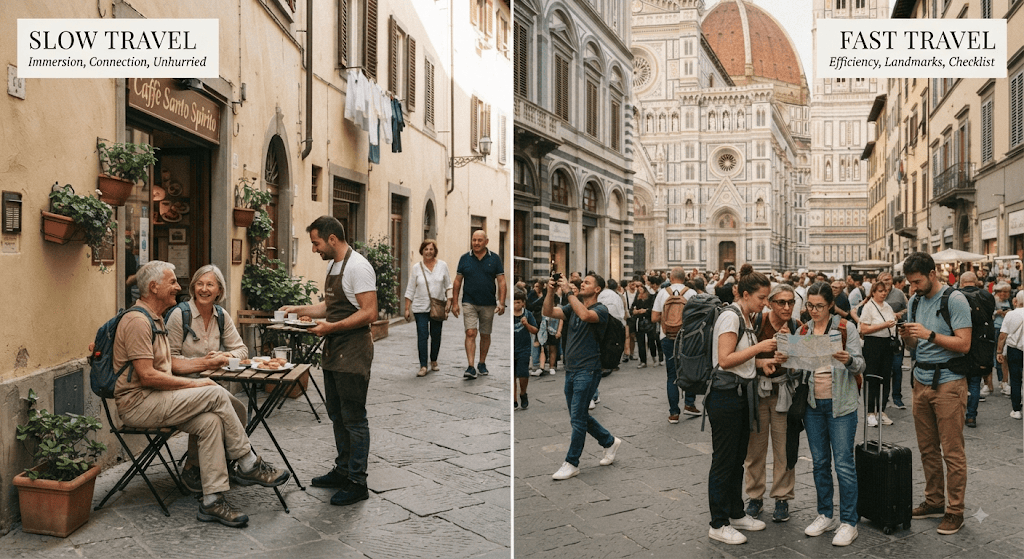
Somewhere along the way, travel started being measured by how many places you can visit, not how well you actually experienced any of them. Slow travel pushes back against that — fewer destinations, more time in each, and a very different kind of trip.

What Fast Travel Actually Gives You

Fast travel — five countries in ten days, a new city every 48 hours — delivers photos, checkmarks, and a broad surface-level sense of many places. It works well for people who genuinely want a highlight-reel overview, or who may not get the chance to return.

What Fast Travel Costs You

The tradeoff is depth. A city seen for one rushed day rarely allows for the kind of unplanned moments — a conversation with a shopkeeper, getting comfortably lost, revisiting a spot that mattered — that tend to be what people actually remember months later.

What Slow Travel Looks Like in Practice

Slow travel means picking fewer destinations and staying longer in each — days or weeks instead of hours. It allows time to settle into a place: understanding the rhythm of daily life there, not just its landmarks.

The Case for Repetition

Returning to the same café, market, or neighborhood multiple times over a longer stay builds a kind of familiarity that a first visit never can. Slow travel often means less novelty per day, but more genuine connection to the place by the end.

It’s Often Kinder to Your Budget and Body Too

Constant movement — new hotels, new transport, new logistics every day or two — is exhausting and expensive. Staying longer in fewer places usually means better accommodation deals, less transit cost, and considerably less travel fatigue.

Choosing What’s Right for the Trip

Fast travel isn’t wrong — sometimes a short window genuinely calls for covering more ground. But when time allows, slow travel tends to leave a much stronger, more personal impression of a place than a checklist of destinations ever does.

Bottom Line

A trip isn’t measured by how many pins you can drop on a map. Spending real time in fewer places, letting a destination unfold slowly instead of rushing through it, often leaves you with something a fast itinerary simply can’t — an actual sense of having been somewhere, not just passed through it.