Rural Women and the Fight Against Single-Use Plastic in Local Markets

Why Local Markets Are a Plastic Hotspot

Weekly haats and local vegetable markets are where single-use plastic accumulates fastest — thin bags handed out per item, with no formal waste collection system to catch what’s left behind. In many villages, that plastic ends up burned, buried or washed into fields and water bodies.

Self-Help Groups Stepping In

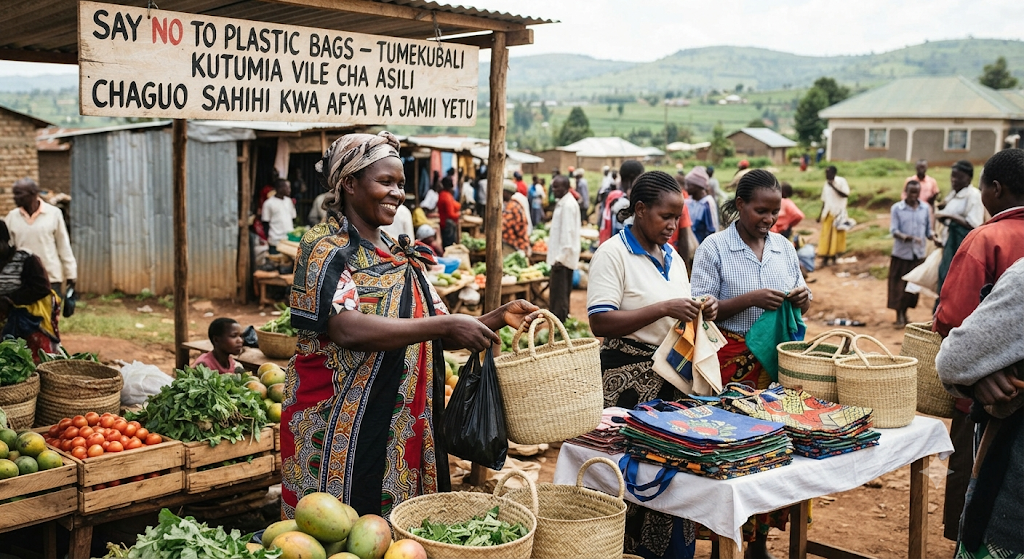
Across several states, women’s self-help groups have taken on dual roles: producing cloth and jute bag alternatives for sale, and actively campaigning at local markets to get vendors and shoppers to switch away from plastic. The same groups that make biodegradable products for menstrual health or craft cooperatives are often behind these market-level plastic bans too — the skills and the SHG structure carry over.

What the Shift Actually Looks Like

  • Vendors stocking cloth or paper bags instead of plastic, often produced locally by SHG members
  • Leaf-plate and areca-leaf disposable ware replacing plastic plates at local food stalls
  • Market committees, sometimes nudged by SHGs, setting informal “no plastic bag” rules on market day
  • Awareness drives timed around local festivals and weekly market days, when plastic use spikes

The Economic Angle

This isn’t only environmental work — it’s income. Producing and selling cloth bags gives SHG members a product with steady local demand, since markets need bags every single week. That recurring demand is part of why these initiatives tend to stick, compared with one-off awareness campaigns.

What Still Gets in the Way

Cheap plastic remains easier and often slightly cheaper for vendors to access than cloth alternatives, and enforcement of any informal “ban” depends entirely on community buy-in rather than law.

Bottom Line

The fight against plastic in rural India isn’t happening through policy alone — it’s happening market day by market day, led by women’s groups who are both making the alternative and selling the idea.
Is Volunteer Tourism Actually Helping? A Closer Look

The Appeal Is Obvious

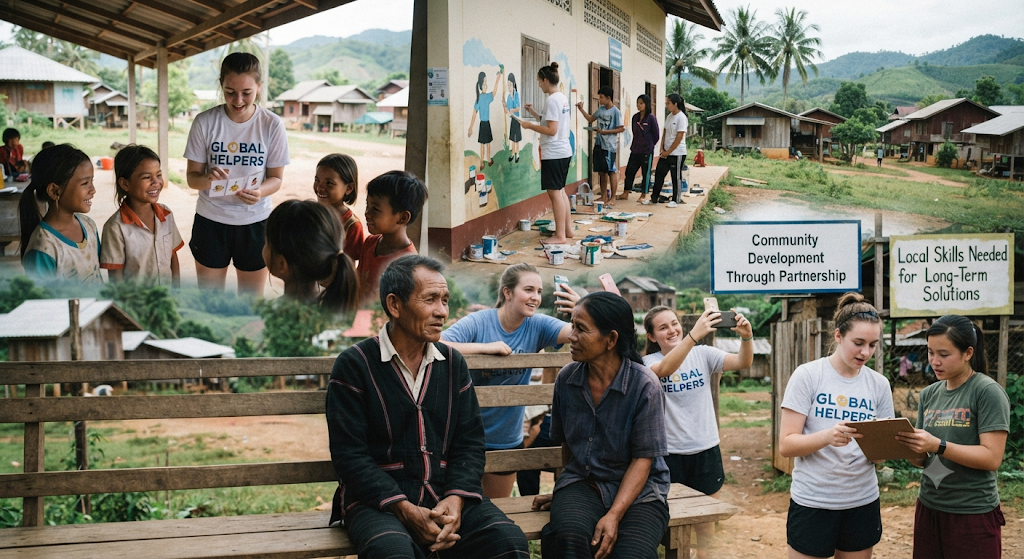
Spend a few days or weeks helping build a school, teach English or support children, and go home having “given back.” It’s an attractive idea — travel with purpose instead of just a passport stamp.

Where the Cracks Show

Most short-term volunteers aren’t trained for the work they’re assigned. Reports of unskilled volunteers redoing construction work overnight — because local workers quietly fixed it after the volunteers left — have become a recurring theme in critiques of the industry. In some cases, unskilled volunteer labour has even displaced paid local jobs.

Orphanage Volunteering: The Sharpest Criticism

Orphanage tourism draws the most concern. Child welfare organisations, including UNICEF and Save the Children, have jointly studied the impact of short-term volunteering on children’s care and found enough harm — including emotional distress from repeated attachment and abandonment cycles with rotating volunteers — to recommend eliminating short-term orphanage volunteering altogether. Some investigations have even found children placed in orphanages specifically to attract volunteer donations, despite having living family.

It’s Not All Bad — But the Framing Matters

Longer-term, skills-matched volunteering — where a volunteer’s actual expertise (medical, technical, educational) is used to support a request the local community itself made — tends to have a very different impact profile than a week-long, feel-good placement. The difference usually comes down to who identified the need, and who’s actually being served by the good feeling.

Questions to Ask Before You Sign Up

  1. Did the local community ask for this specific kind of help?
  2. Am I qualified to actually do this work?
  3. Does the organisation share what happens to fees after volunteers leave?
  4. Could a paid local worker do this instead — and should they?
  5. Is there any facility housing children specifically to host volunteer visits?

Bottom Line

Good intentions don’t automatically translate into good outcomes. If a trip’s main product is a feeling for the traveller rather than a need actually filled for the community, it’s worth a harder look before booking.

Why More Indian Women Are Choosing to Travel After 40

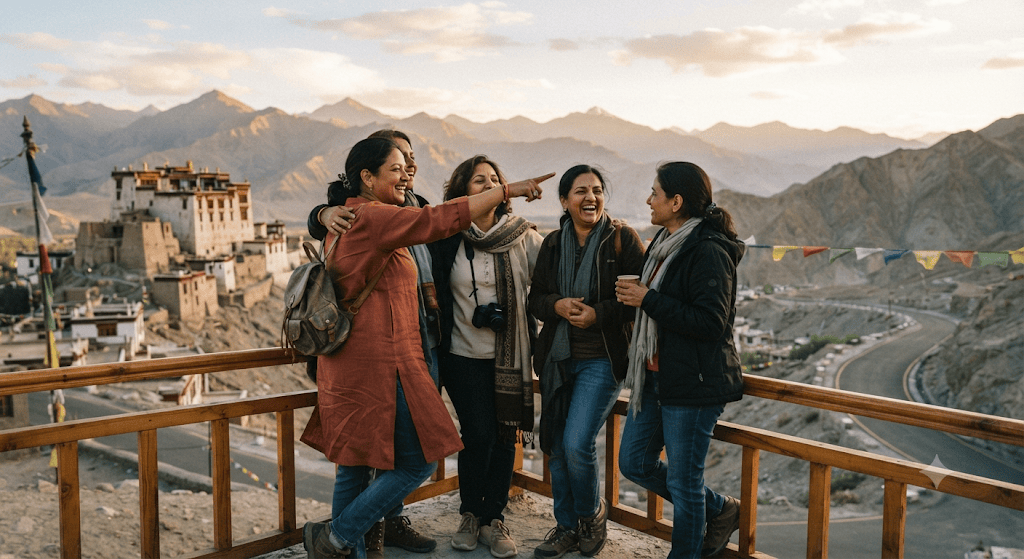
For a long time, the image of solo or adventurous travel skewed heavily toward the young — backpackers in their 20s, gap-year trips, pre-marriage freedom. A quieter but steadily growing trend tells a different story: more Indian women in their 40s, 50s, and beyond are booking trips, often independently, many for the first time in their lives.

Life Stage Finally Allows It

For many women, the years spent raising children or managing a household leave little room for personal travel plans. As children grow more independent, some women find themselves with both the time and the emotional space to prioritize a trip that was postponed for decades.

Financial Independence Plays a Real Role

A growing number of women in this age group have their own income, savings, or financial say in the household — a shift from earlier generations where travel decisions and budgets were more likely controlled by a spouse or family structure. This independence directly enables travel choices made on their own terms.

A Deliberate Reclaiming of Personal Time

Several women who start traveling later in life describe it less as a bucket-list activity and more as a deliberate reclaiming of a version of themselves that existed before marriage, children, and career responsibilities took over most of their time and identity.

Travel Communities Built for This Demographic

Recognizing this shift, several travel groups and tour operators have started designing itineraries and communities specifically for older women travelers — addressing both physical comfort needs and the specific social dynamics of a group where everyone is navigating similar life stages.

Confidence Built From Life Experience

Many women in this age group describe approaching travel with a level of confidence and calm decision-making that comes from decades of managing households, careers, or both — skills that translate surprisingly directly into handling the logistics and occasional unpredictability of travel.

Pushing Back Against Social Expectations

Choosing to travel — especially solo — later in life sometimes still meets resistance from extended family or social circles who view it as an unusual priority at that life stage. Many women navigating this describe it as a conscious, sometimes difficult decision to prioritize their own experience over external expectations.

Bottom Line

Travel after 40 isn’t a consolation prize for missed opportunities earlier in life — for many Indian women, it’s a genuinely deliberate, hard-won chapter that only became possible once time, finances, and confidence aligned. It’s reshaping what “who travels” actually looks like in India.

The Women Documenting India’s Disappearing Traditions Through Photography

Many of India’s traditional crafts, rural rituals, and regional ways of life are fading faster than they’re being recorded — a generational shift that risks losing not just skills but the visual memory of how things were done. A growing number of women photographers are working specifically to document this before it disappears entirely.

Why This Documentation Matters

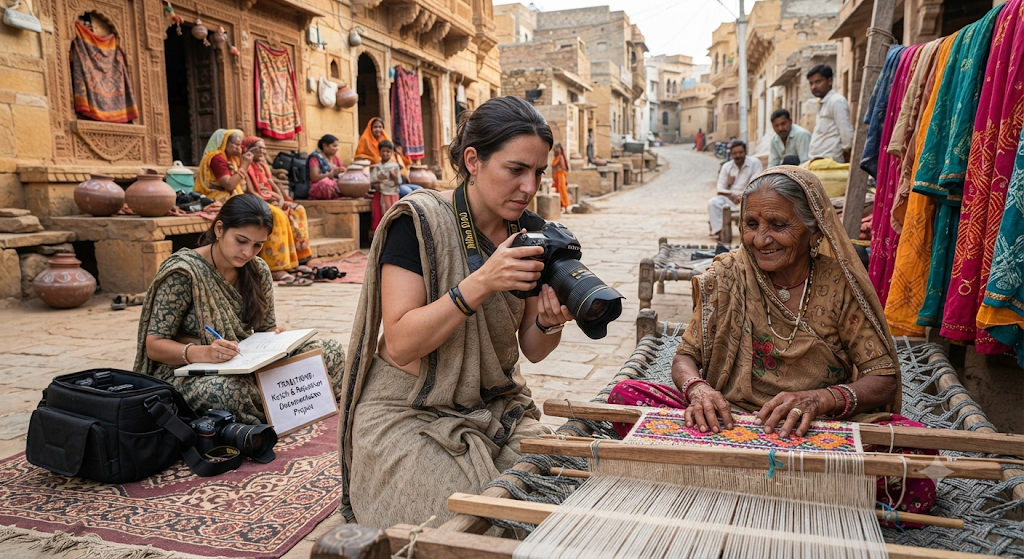
Oral traditions and hands-on crafts often exist only in the memory and practice of an aging generation, with little formal documentation. Photography captures not just the final product of a tradition — a woven textile, a ritual object — but the process, the hands, and the context that a museum piece alone can never fully convey.

Access Built on Trust, Not Just Skill

Photographing intimate community rituals, women-only ceremonies, or closed craft workshops often requires a level of trust that’s easier to build as a woman photographer, particularly in more conservative or gender-segregated community settings where a male photographer might simply never be given access.

Documenting Craft, Not Just Culture

Beyond rituals and ceremonies, many women photographers focus specifically on documenting disappearing craft techniques — a particular embroidery style, a pottery method, a weaving technique — often working closely alongside the artisans themselves, sometimes over years, rather than a single visit.

The Race Against Time

Many of these traditions are held by artisans and practitioners now in their 70s and 80s, with no younger generation continuing the practice. Photographers working in this space often describe their work with real urgency — knowing that a specific technique or ritual may simply not exist to document again in a few years’ time.

Beyond Just Preservation

This work isn’t purely archival — much of it also aims to bring visibility and, ideally, economic support back to the communities and artisans being documented, connecting traditional practices to broader audiences who might otherwise never encounter them.

The Emotional Weight of the Work

Photographers doing this work often describe it as deeply personal, not purely professional — building real relationships with the people and communities they document over repeated visits, rather than treating subjects as simply visual material to be captured and left behind.

Bottom Line

As India modernizes rapidly, a quiet but important body of documentation work is being done by women photographers determined to make sure these disappearing traditions aren’t lost without a visual record. It’s patient, relationship-driven work — and increasingly urgent.

Menstrual Leave Debate: What Indian Women Actually Think

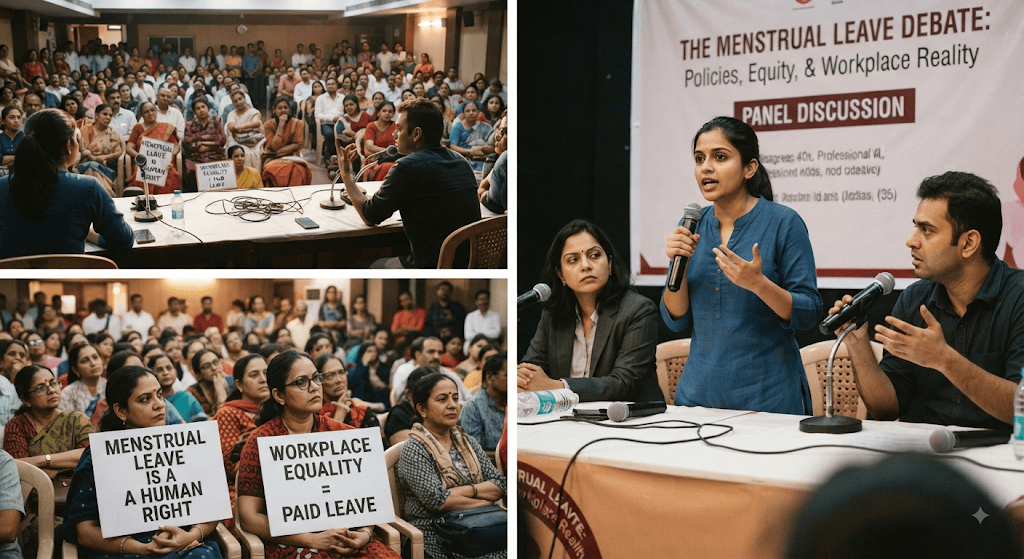
Menstrual leave resurfaces in Indian public conversation every year or two — a company announces a policy, a state proposes a bill, and the debate reignites. But between the headlines, the actual opinions of women who’d use such leave often get lost. Here’s a more grounded look at where the conversation stands.

What’s Actually Being Proposed

Menstrual leave generally refers to paid time off — usually one to two days a month — specifically for menstrual pain or discomfort, separate from standard sick leave. A few Indian states and companies have piloted such policies, though nationwide legislation has repeatedly been debated without becoming law.

The Case in Favor

Supporters argue that for a meaningful share of menstruating employees, symptoms like severe cramps or fatigue genuinely affect the ability to work productively, and that treating this as a normal, non-stigmatized part of employment — rather than something to push through silently — is simply overdue recognition of a real physical reality.

The Case Against (Even From Women)

A notable portion of the pushback doesn’t come from men, but from women themselves, worried that formal menstrual leave could reinforce workplace bias — that employers might hesitate to hire or promote women, consciously or not, anticipating “extra” leave usage. Some also feel it singles out a normal bodily function as a workplace liability rather than normalizing it.

A Third View: Flexibility Over Formal Leave

Many working women land somewhere in between — less interested in a rigid “menstrual leave” category, and more interested in flexible policies (like work-from-home options or flexible hours during difficult days) that don’t require formally naming the reason.

What This Reflects About Workplace Culture

The debate isn’t really only about a few days off — it’s a proxy for a bigger question about whether Indian workplaces can accommodate real, everyday realities of women’s health without treating them as either taboo or as grounds for discrimination.

Bottom Line

There’s no single “women’s opinion” on menstrual leave — it’s a genuinely split conversation, shaped as much by fear of workplace bias as by the real physical need the policy is meant to address. Any serious policy discussion probably needs to grapple with both sides, not just the loudest one.

How Indian Villages Are Leading Grassroots Water Conservation

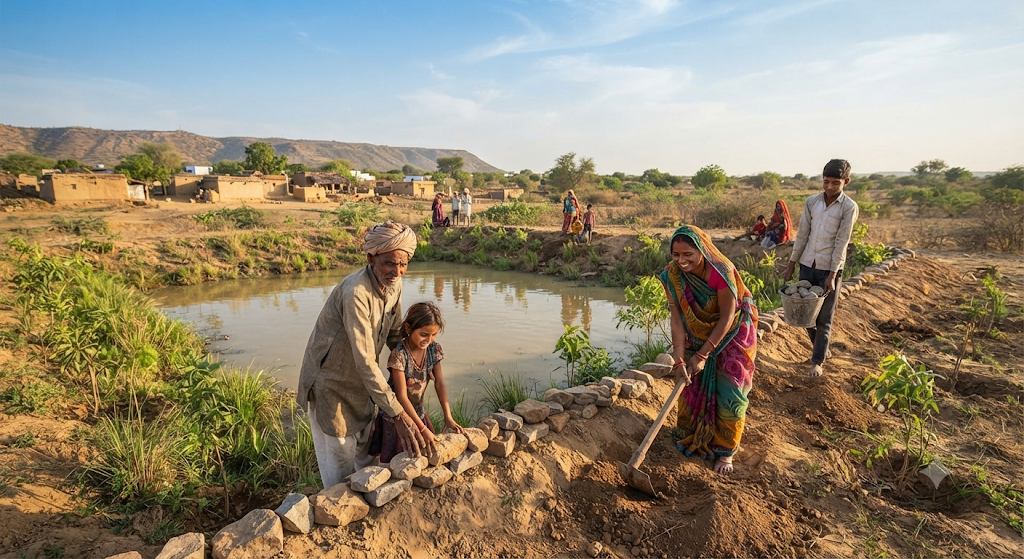
Large dams and canal projects tend to dominate the conversation around water security in India. But some of the most effective, lasting solutions are happening at a much smaller scale — in villages where residents themselves are rebuilding ponds, digging trenches, and reviving traditions that outdate any modern engineering project.

Sukhomajri, Haryana: Where It Started

In the 1970s, the village of Sukhomajri in Haryana faced a familiar crisis — torrential runoff stripping the soil, a silted-up lake, and dry wells. Villagers, working with scientists from the Indian Council of Agricultural Research and the Haryana Forest Department, fenced off slopes from grazing, dug contour trenches, and built small earthen dams to capture rainwater for gravity-fed irrigation. It became one of the earliest and most-cited models of community-led watershed management in the country.

Kothapally, Telangana: Measurable Results

In Kothapally, farmers combined simple methods like contour bunds with better seeds and intercropping. Within five years, groundwater levels rose by up to 45%, and maize yields quadrupled — numbers substantial enough that families began diversifying into chickpeas and vegetables once water and income were secured.

The Arvari Sansad, Rajasthan: A River Parliament

Along the Arvari River, 70 villages formed the Arvari Sansad, or River Parliament — a community governance body that manages water use, prevents over-extraction, and resolves disputes without waiting on government intervention. It’s a striking example of communities becoming the direct guardians of a shared water resource, rather than relying on external authorities.

Jakhni, Uttar Pradesh: A Model That Spread

In the drought-affected Bundelkhand region, Jakhni village became known for building bunds, desilting wells, and constructing new ponds. Its success was significant enough that district officials later used it as a template, redirecting available funds to replicate the same model across the wider region.

Tamil Nadu’s Kudimaramathu: Reviving Ancient Systems

Rather than build something new, the Kudimaramathu scheme in Tamil Nadu revived centuries-old irrigation tanks through public participation. Farmers, engineers, and local youth worked together to desilt tanks, repair sluices, and clear catchments — rejuvenating thousands of hectares of farmland across drought-hit districts.

Why Grassroots Models Work

These efforts share a common thread: they’re decentralized. Instead of concentrating water storage and distribution in a single large point, community-led catchment management spreads it across many small, locally-managed structures — ponds, bunds, and trenches that villagers themselves maintain and have a direct stake in protecting.

Bottom Line

Water conservation in India isn’t only a policy conversation happening in government offices. In villages across Haryana, Telangana, Rajasthan, Uttar Pradesh, and Tamil Nadu, it’s already being lived out — often led by the same communities who stand to lose the most if it fails.