How Indian Cities Are (Slowly) Becoming More Cycle-Friendly for Women

The Gender Gap Is Real

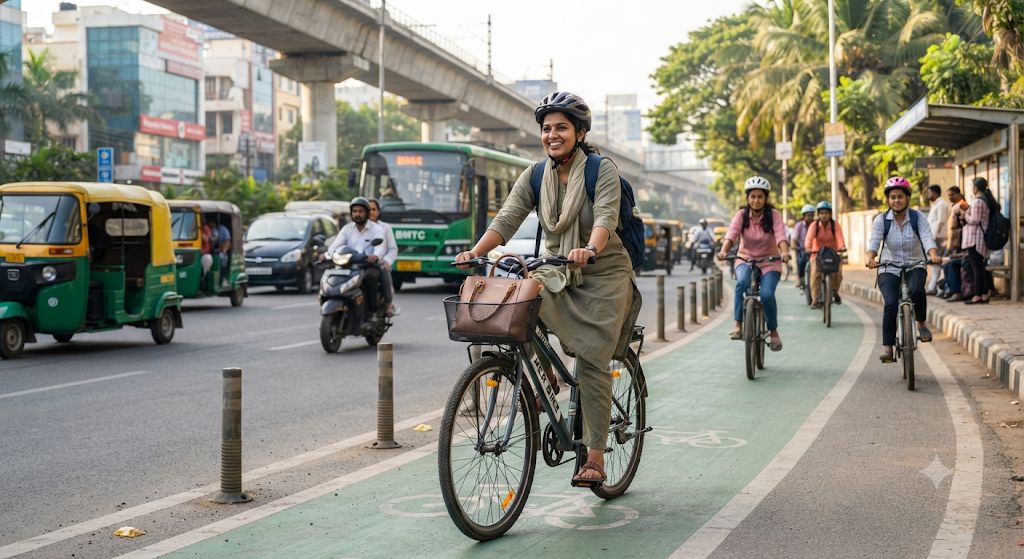
Studies on cycling in Indian cities have flagged a clear pattern: women cyclists face unwarranted gestures and hostile behaviour from male motorists, which pushes many to avoid cycling altogether or change their routes to stick to busier, better-lit streets. Urban infrastructure, researchers note, has largely been designed around able-bodied, middle-class men — not around the women and girls who might benefit most from cheap, independent transport.

What’s Slowly Changing

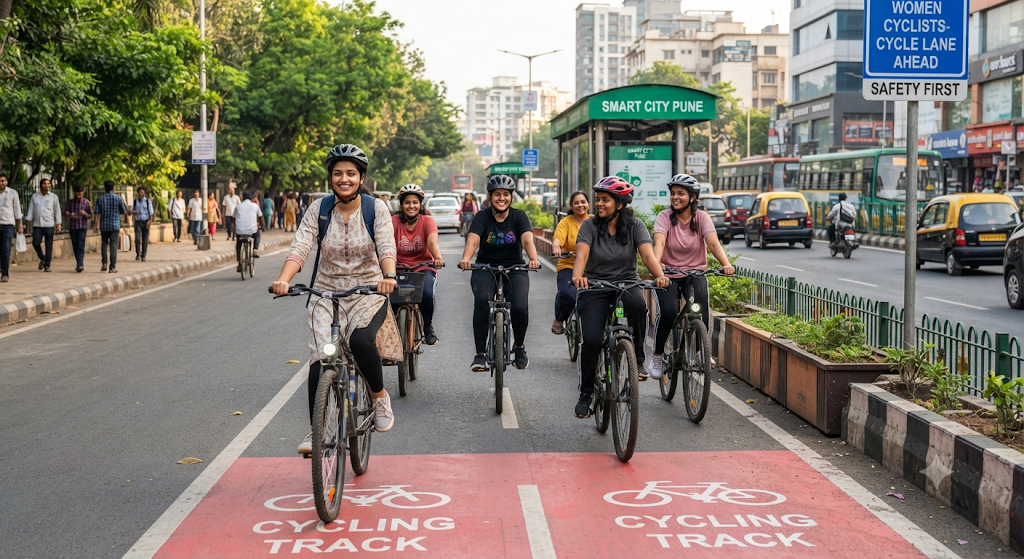
Under the Smart Cities Mission, the India Cycles4Change Challenge pushed dozens of Indian cities to pilot cycling infrastructure, with gender-inclusive design increasingly part of the brief. A 2020 roundtable convened by Bengaluru’s transport authority with WRI India specifically flagged issues that matter to women cyclists: better street lighting for evening riders, safe cycle parking and a connected network of cycle tracks. Some cities have also piloted cycle-repair clinics so women aren’t stranded by a flat tyre with no one to help.

Cycling Hasn’t Disappeared — It’s Been Pushed to the Margins

Recent research across Maharashtra cities found that cycling volumes remain high at peak hours even where infrastructure is incomplete — cyclists haven’t gone away, they’ve simply become less visible on streets not designed with them in mind. A broader 2026 multi-city study covering Delhi and Chennai found that policy, implementation and gender gaps continue to hold back safer cycling for women specifically.

What Actually Helps

  1. Protected, well-lit cycling lanes rather than painted lines on traffic-heavy roads
  2. Cycle parking near markets, schools and transit stations
  3. Enforcement against harassment, not just infrastructure
  4. Involving women cyclists directly in planning, not just consulting them after the fact

Bottom Line

Cities that want more women cycling need to design for them from the start — lighting, safety and respect, not just paint on the road. Until then, the gender gap on India’s streets will keep outpacing the gains in infrastructure.
Women-Led NGOs Fighting Plastic Pollution in Coastal India

The Scale of What Coastal Communities Are Facing

In parts of coastal Karnataka, local fishing boats reportedly bring in catches where plastic waste makes up nearly half of what’s pulled from the water — a daily reality for around 700,000 people living in those communities. Coastal litter in Kerala has been measured at roughly three times the global average, layering an environmental crisis directly on top of existing economic hardship.

Turning Waste Collection Into Formal Employment

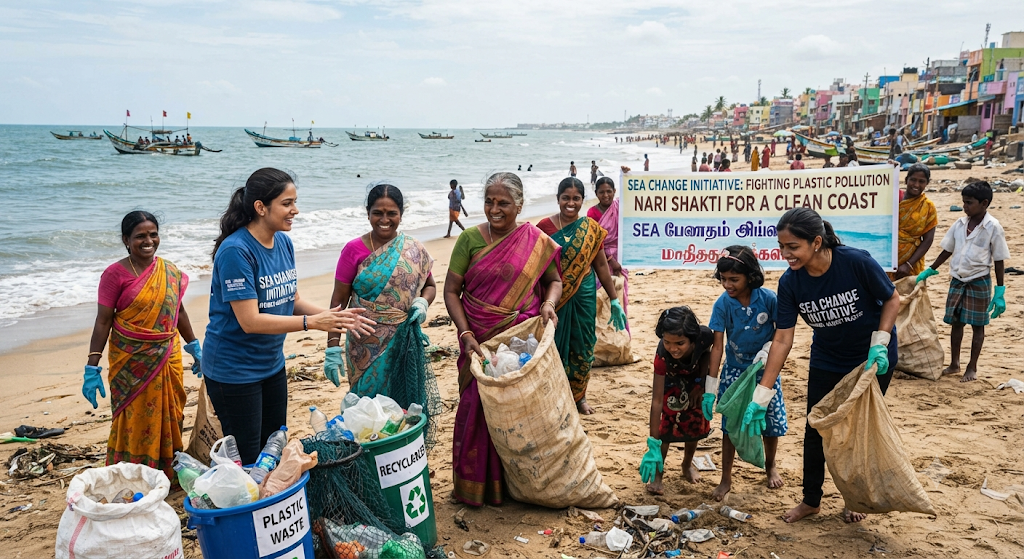
Baeru, founded by Divya Hegde, trains women in coastal Karnataka to run structured waste collection and segregation systems rather than leaving the work informal and unpaid. The initiative has helped divert large volumes of waste from contaminating the coast and the Western Ghats while creating predictable income — with social security — for over 150 women who were previously working without either protection.

Kerala’s Self-Help Group Model

In Kerala, where coastal litter runs unusually high and female workforce participation runs unusually low, projects like rePurpose’s Hara Kal have built almost entirely women-led (over 98 percent) first-mile plastic collection networks in partnership with local self-help groups. The model treats plastic interception and women’s income generation as the same project, not two separate goals.

Kudumbashree: A Template Built Two Decades Ago

Kerala’s Kudumbashree network, a state-run women’s self-help group system established in 1998, has become the backbone many newer waste-management initiatives build on — organizing women into enterprises that now also produce plastic alternatives and manage municipal waste operations under formal government partnership.

Bottom Line

The most durable answers to coastal plastic pollution in India aren’t just cleanup drives — they’re systems that pay women fairly to do work that was already happening informally, and give that work the infrastructure to actually scale.

Why More Indian Women Are Switching to Cycling Commutes

The Gap Is Real, and It’s Been Huge

As of the 2011 census, roughly 20 percent of Indian men commuted by bicycle compared to under 5 percent of women — a gender gap researchers have called among the highest in the world for cycling specifically. That number is the backdrop against which any “rise in women’s cycling” story has to be told honestly.

Where the Real Movement Is Happening

The most measurable shift so far isn’t in cities — it’s among rural schoolgirls. A peer-reviewed study tracking national survey data found cycling among rural girls more than doubled between 2007 and 2017, a change researchers linked to free bicycle distribution schemes originally designed to keep girls in school by cutting down long, exhausting walks. Researchers have described it as a quiet but genuine revolution in female mobility.

Urban Women Are Starting to Follow

In cities, the shift is slower but visible — driven partly by rising health consciousness and partly by advocacy groups documenting women reclaiming road space that’s historically felt unsafe or unwelcoming to them. Manufacturers have also started designing bicycles with women’s comfort specifically in mind, rather than treating cycling gear as a one-size-fits-all category.

Why This Isn’t Just a Fitness Trend

Cycling addresses something bicycles have historically done for women everywhere — independence of movement that doesn’t depend on being driven, escorted, or waiting for shared transport. In a country where women’s mobility outside the home is still measurably constrained, a bicycle is a small but concrete tool for autonomy.

Bottom Line

Indian women aren’t cycling at parity with men yet, not close. But the direction of change — especially among the next generation of girls — suggests this gap is finally starting to narrow, one commute at a time.

E-Waste at Home: What Happens to Your Old Phones and Chargers

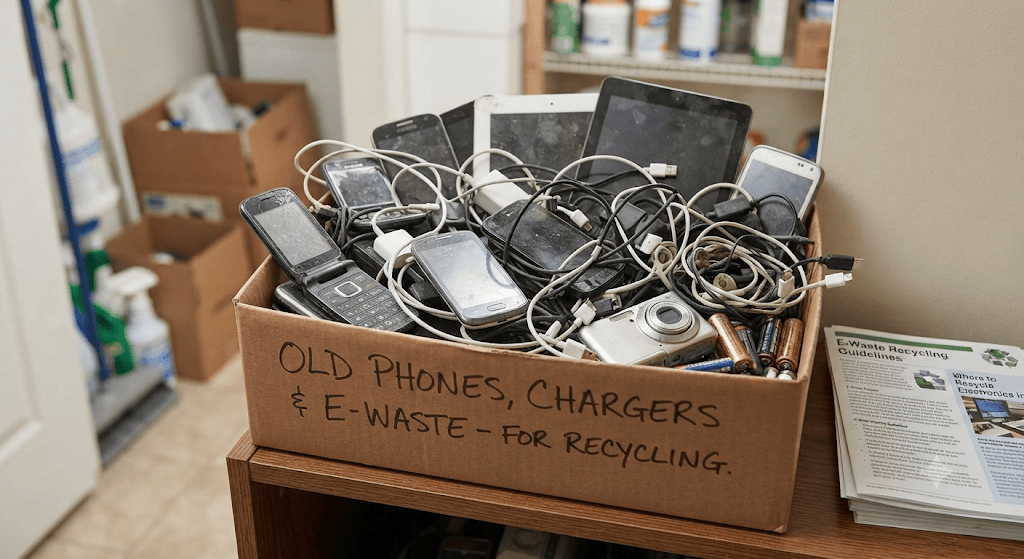
Almost every home has one — a drawer full of old phones, tangled chargers, and cables that no longer match any current device. It feels harmless sitting there, but e-waste is one of the fastest-growing and most under-addressed categories of household waste.

What Happens If It’s Thrown Away Normally

Electronics tossed into regular household trash typically end up in landfills, where components like batteries can leak heavy metals and toxic materials into soil and groundwater over time — a slow but genuinely damaging process that unfolds over years, largely unseen.

Why E-Waste Is Different From Other Trash

Unlike organic or paper waste, electronics don’t break down naturally, and many contain materials — lead, mercury, cadmium — that are hazardous when improperly disposed of, but also genuinely valuable and recoverable when processed correctly, including gold, copper, and other metals used in circuit boards.

The “Drawer Problem”

A huge share of e-waste never even reaches a landfill or a recycler — it just sits unused in homes indefinitely, which isn’t actively harmful, but also means genuinely reusable materials remain locked away instead of being responsibly recycled or the device being reused by someone else.

What Proper E-Waste Recycling Actually Does

Certified e-waste recyclers dismantle devices to separate hazardous components (which are safely processed) from valuable, reusable materials (which are extracted and reintroduced into manufacturing) — a genuinely more resource-efficient process than mining new raw materials from scratch.

Where to Actually Take It

  • Manufacturer take-back programs, which several phone and electronics brands now offer for old devices
  • Certified e-waste collection centers, increasingly available in most Indian cities
  • Retailer exchange or recycling programs, sometimes bundled with a discount on a new purchase
  • Local municipal e-waste drives, held periodically in many urban areas

Before You Recycle: Data Safety

Old phones and laptops often still contain personal data. A factory reset, and ideally removing SIM and memory cards, protects your information before handing a device off for recycling or resale.

Consider Reuse Before Recycling

A working but outdated phone, laptop, or charger may still have real value to someone else — donating functional electronics, or reselling them through a resale platform, extends their usable life before recycling becomes the more appropriate final step.

Bottom Line

That drawer of old electronics isn’t neutral — it’s either a missed recycling opportunity or, if eventually thrown out carelessly, a genuine environmental hazard. A single trip to a proper e-waste collection point turns years of accumulated clutter into responsibly processed material instead.

Rainwater Harvesting at Home: A Simple Guide for Renters and Owners

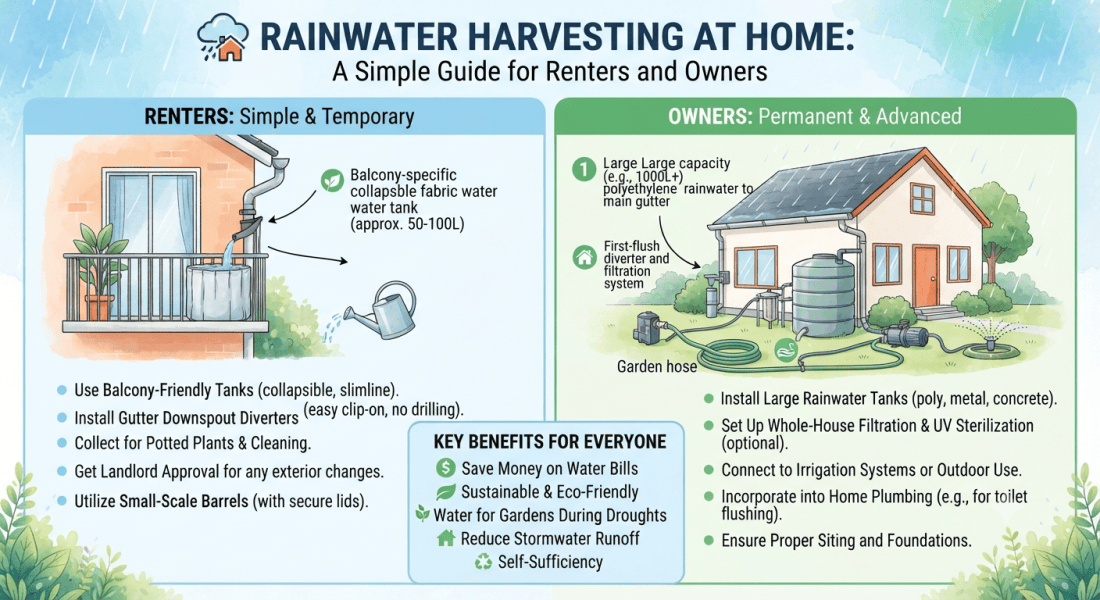
Rainwater harvesting sounds like a major home renovation project reserved for house owners with a big budget. In reality, there are options across a wide range of scale and investment — including simple setups that work even for renters in apartments.


Why It’s Worth Doing


Beyond reducing dependence on municipal or groundwater supply, rainwater harvesting helps recharge local groundwater tables and reduces stormwater runoff that would otherwise overwhelm drainage systems, especially in cities where over-extraction has caused water tables to drop significantly over the years.


For Renters: Small-Scale Options


Balcony collection barrels — a simple barrel or large container positioned to catch runoff from a balcony roof or overhang can supply water for plants, cleaning, or non-drinking household use
Diverting downspout water temporarily into a container during heavy rain, where structurally possible without permanent modification
Using harvested water for gardening specifically, which avoids the more complex filtration needed for potable use


For Homeowners: A More Complete System


Rooftop catchment — channeling roof runoff through gutters into a storage tank, ideally with a first-flush diverter to remove initial dirty runoff before storage
A basic filtration setup — mesh filters to remove debris, followed by sand or charcoal filtration for water intended for non-drinking uses like gardening or cleaning
A recharge pit or well, if space allows, to direct excess collected water back into the ground rather than letting it run off into street drainage


What Rainwater Should (and Shouldn’t) Be Used For


Without proper purification, harvested rainwater is best used for gardening, washing, or topping up non-potable needs — not drinking water, unless a more thorough filtration and treatment system is specifically installed and maintained for that purpose.


Basic Maintenance Matters


Even a simple barrel setup needs periodic cleaning to prevent mosquito breeding and algae buildup, and any filtration components need regular checking — a rainwater system that’s neglected can create more problems than it solves.


Government Incentives Worth Checking


Several Indian cities have introduced rainwater harvesting mandates or incentives for new constructions, and some municipal bodies offer subsidies or guidance for retrofitting existing homes — worth checking local regulations, since incentives and requirements vary significantly by city.


Bottom Line


Rainwater harvesting isn’t an all-or-nothing project — a renter with one balcony barrel and a homeowner with a full rooftop catchment system are both meaningfully contributing to the same larger goal. Starting small is a legitimate entry point, not a lesser version of “doing it properly.”