Women Planting Mangroves: Coastal Shields Built by Hand

Why Mangroves Matter

Mangroves are salt-tolerant forests that grow where land meets sea. Their tangled roots slow waves, trap sediment and shelter fish and crabs. They also store carbon at high rates. India is reported to rank third globally in mangrove area, and areas sitting behind mangroves suffered less damage than exposed coasts when the 2004 tsunami struck.

Women Are Leading the Work

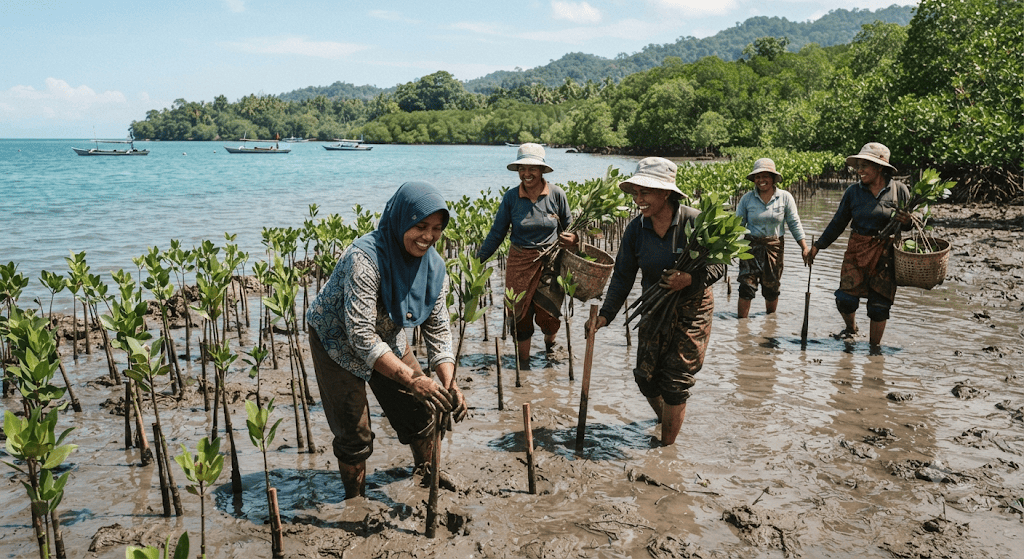
Across Andhra Pradesh, Odisha, Tamil Nadu, Maharashtra, West Bengal and Karnataka, women are managing mangrove nurseries, planting saplings and guarding forests. With many men away fishing for long periods, women have taken on the daily labour of restoration.

Stories From the Coast

Sundarbans, West Bengal. Women’s self-help groups raise saplings in nurseries and plant them along embankments. One NGO reports that 17 women’s groups there run mangrove nurseries, using an approach that links restoration to local income. The Sundarbans work later fed into a national mangrove plantation programme called MISHTI.

Puri, Odisha. Fisherwomen in Sana Jhadling tend mangrove saplings, motivated partly by memories of the devastating 1999 super cyclone.

Palghar, Maharashtra. A self-help group called Healthy Harvest restored degraded mangroves and also learned crab farming, earning about ₹85,000 a year collectively.

The Hard Part

Planting is hard, muddy work, often done knee-deep in clay. Restoration programmes are sometimes seasonal or short-lived, and weak enforcement and fragmented governance can undermine long-term success. Planting alone isn’t enough; trees need protection and follow-up for years.

How Travellers Can Help

  1. Choose guided mangrove walks or boat trips run by local cooperatives
  2. Stay quiet and keep boats at slow speed near nesting areas
  3. Never pick propagules or break roots
  4. Pay for local guides and buy from women-run stalls

Bottom Line

Mangrove restoration is slow, wet and unglamorous. The women doing it aren’t waiting for a rescue plan. They are building the coastline’s best defence themselves, one sapling at a time.
Responsible Travel in Ladakh: Water, Altitude and Local Culture

A Fragile Place With a Booming Visitor List

Ladakh sits in the Himalayan rain shadow and depends largely on glacier melt for water. Tourism has grown fast. One report notes that the 1980s saw only about two dozen hotels across Ladakh, while today there are several hundred, most of them in Leh. More bathrooms, more guesthouses and more visitors all draw on the same limited supply.

Water: The Biggest Issue

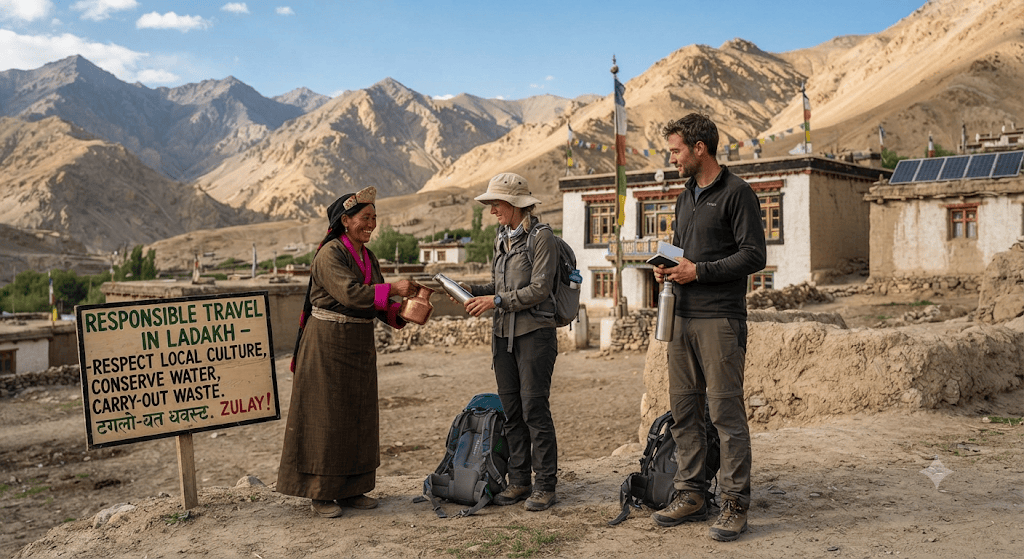
A study by the Ladakh Ecological Development Group found that an average Ladakhi uses about 21 litres of water a day, while a tourist may use as much as 75. Other estimates vary, but all point the same way: visitors use far more than residents.

What you can do:

  1. Take short, bucket-style baths instead of long showers
  2. Use local dry toilets where homestays offer them
  3. Carry a reusable bottle and refill it instead of buying plastic bottles
  4. Reuse leftover washing water for plants where you can

Altitude: Respect It

The Ladakh tourism department advises at least 48 hours of acclimatisation after arriving in Leh, plenty of fluids, light meals on day one, and avoiding sleeping pills or sedatives at altitude. Don’t rush to higher passes straight after landing, and descend if severe symptoms appear. If you plan to take altitude medication, speak to your doctor first.

Culture: You’re a Guest

Ladakh is home to a living Tibetan Buddhist culture. Ask before photographing people or monks, dress modestly at monasteries, walk clockwise around stupas and prayer wheels, and avoid touching religious objects.

Where You Stay Matters

Homestays keep money in local households and often use water more carefully than large hotels. They also give you home-cooked food and conversation that no hotel buffet can match.

Don’t Leave Plastic Behind

Plastic breaks down slowly at high altitude and can contaminate streams near popular spots. Carry your waste out with you.

Bottom Line

Ladakh doesn’t need fewer travellers so much as more thoughtful ones. Use less water, go slowly, stay local and leave the place as you found it.

Rural Women and the Fight Against Single-Use Plastic in Local Markets

Why Local Markets Are a Plastic Hotspot

Weekly haats and local vegetable markets are where single-use plastic accumulates fastest — thin bags handed out per item, with no formal waste collection system to catch what’s left behind. In many villages, that plastic ends up burned, buried or washed into fields and water bodies.

Self-Help Groups Stepping In

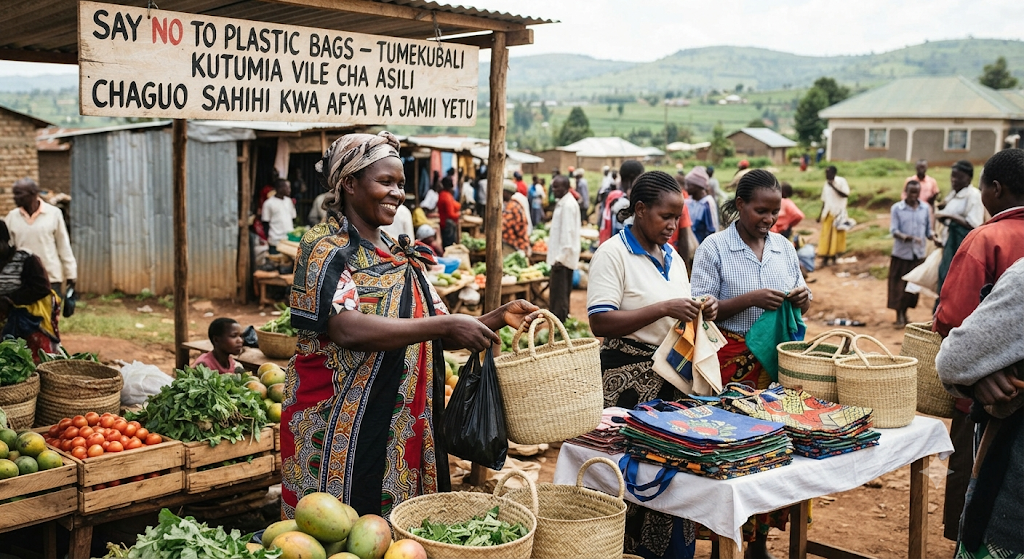
Across several states, women’s self-help groups have taken on dual roles: producing cloth and jute bag alternatives for sale, and actively campaigning at local markets to get vendors and shoppers to switch away from plastic. The same groups that make biodegradable products for menstrual health or craft cooperatives are often behind these market-level plastic bans too — the skills and the SHG structure carry over.

What the Shift Actually Looks Like

  • Vendors stocking cloth or paper bags instead of plastic, often produced locally by SHG members
  • Leaf-plate and areca-leaf disposable ware replacing plastic plates at local food stalls
  • Market committees, sometimes nudged by SHGs, setting informal “no plastic bag” rules on market day
  • Awareness drives timed around local festivals and weekly market days, when plastic use spikes

The Economic Angle

This isn’t only environmental work — it’s income. Producing and selling cloth bags gives SHG members a product with steady local demand, since markets need bags every single week. That recurring demand is part of why these initiatives tend to stick, compared with one-off awareness campaigns.

What Still Gets in the Way

Cheap plastic remains easier and often slightly cheaper for vendors to access than cloth alternatives, and enforcement of any informal “ban” depends entirely on community buy-in rather than law.

Bottom Line

The fight against plastic in rural India isn’t happening through policy alone — it’s happening market day by market day, led by women’s groups who are both making the alternative and selling the idea.

Is Volunteer Tourism Actually Helping? A Closer Look

The Appeal Is Obvious

Spend a few days or weeks helping build a school, teach English or support children, and go home having “given back.” It’s an attractive idea — travel with purpose instead of just a passport stamp.

Where the Cracks Show

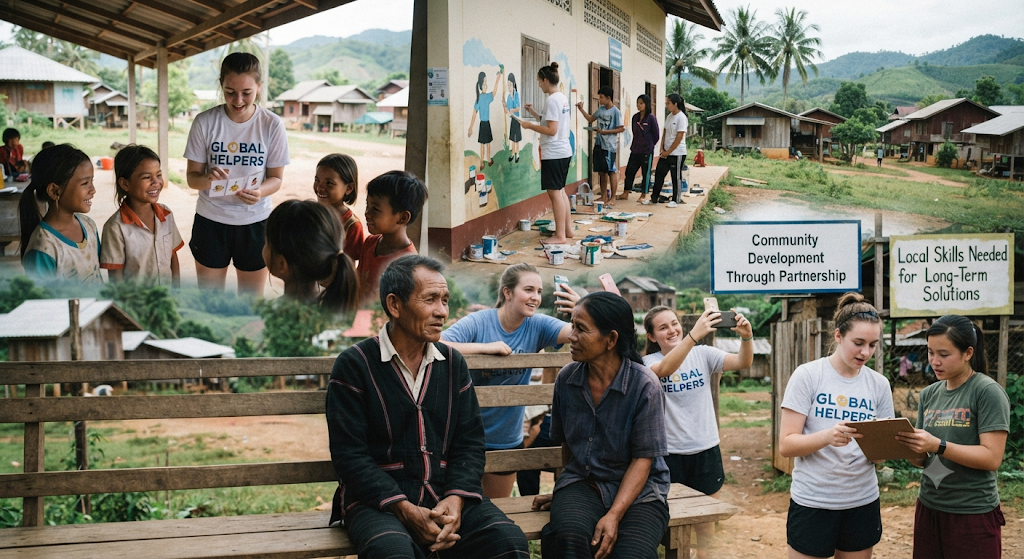
Most short-term volunteers aren’t trained for the work they’re assigned. Reports of unskilled volunteers redoing construction work overnight — because local workers quietly fixed it after the volunteers left — have become a recurring theme in critiques of the industry. In some cases, unskilled volunteer labour has even displaced paid local jobs.

Orphanage Volunteering: The Sharpest Criticism

Orphanage tourism draws the most concern. Child welfare organisations, including UNICEF and Save the Children, have jointly studied the impact of short-term volunteering on children’s care and found enough harm — including emotional distress from repeated attachment and abandonment cycles with rotating volunteers — to recommend eliminating short-term orphanage volunteering altogether. Some investigations have even found children placed in orphanages specifically to attract volunteer donations, despite having living family.

It’s Not All Bad — But the Framing Matters

Longer-term, skills-matched volunteering — where a volunteer’s actual expertise (medical, technical, educational) is used to support a request the local community itself made — tends to have a very different impact profile than a week-long, feel-good placement. The difference usually comes down to who identified the need, and who’s actually being served by the good feeling.

Questions to Ask Before You Sign Up

  1. Did the local community ask for this specific kind of help?
  2. Am I qualified to actually do this work?
  3. Does the organisation share what happens to fees after volunteers leave?
  4. Could a paid local worker do this instead — and should they?
  5. Is there any facility housing children specifically to host volunteer visits?

Bottom Line

Good intentions don’t automatically translate into good outcomes. If a trip’s main product is a feeling for the traveller rather than a need actually filled for the community, it’s worth a harder look before booking.

The Rise of Women-Led Pottery and Craft Cooperatives

From Family Trade to Cooperative Business

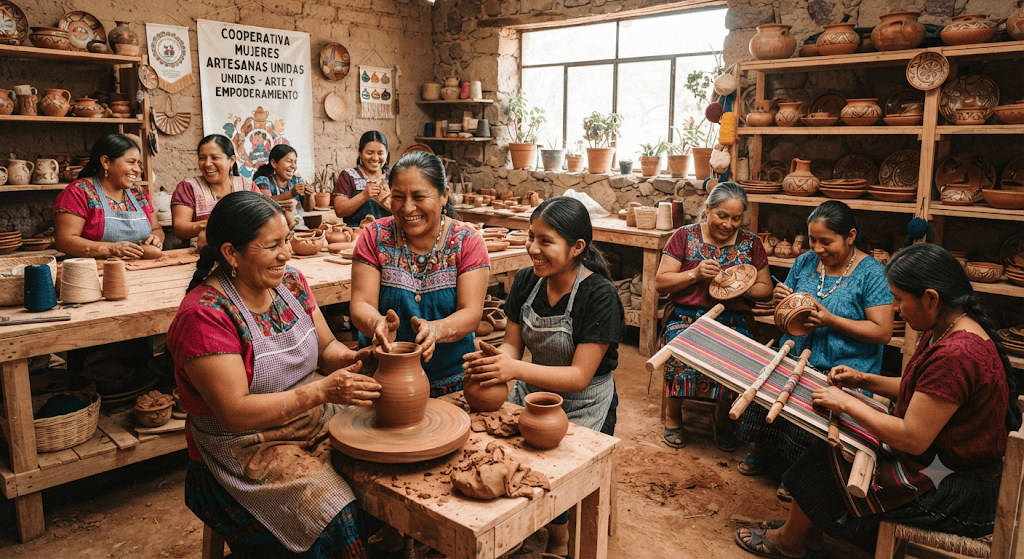
In Tamil Nadu’s Tirunelveli district, a potter earning a modest annual income from her family’s traditional pottery business started a self-help group to revive and modernise the craft. With support and small loans for raw material and labour, the group trained local women in pottery-making, eventually exporting their handcrafted pots to buyers as far as the United States.

Manipur’s Black Clay Potters

In the hills of Manipur, women artisans from the Thankhul Naga community hand-build black clay pottery entirely without a potter’s wheel — a technique passed down for generations. The craft is central to daily life in the region, but until recently, limited market access meant it generated little income. Partnerships connecting these artisans directly to international buyers have started changing that.

Why the Cooperative Model Works

Self-help groups let women artisans pool resources, share training and access markets that would be out of reach individually. Cooperatives negotiate better prices collectively, provide financial literacy and business training, and in some cases partner with fair trade organisations to ensure artisans are paid fairly for work that used to be badly undervalued.

Beyond Pottery

The same model is reviving other crafts across India — mat weaving in Tamil Nadu, Kantha embroidery in West Bengal, Chamba Rumal embroidery in Himachal Pradesh — each preserving a regional tradition while giving women a route to independent income and, often, digital tools like WhatsApp to run their businesses.

How to Support These Cooperatives

  1. Buy directly from cooperative-run stores or their verified online pages
  2. Look for craft council or SHG certification rather than mass-produced “ethnic style” copies
  3. Ask sellers where and by whom a piece was made
  4. Value the process — handmade pottery takes time that machine production doesn’t

Bottom Line

These cooperatives are doing more than keeping old crafts alive — they’re rebuilding local economies around them, with women holding the wheel, quite literally.

How to Choose a Responsible Wildlife Safari Operator in India

Why the Operator You Choose Matters

Tiger reserves and sanctuaries run on strict carrying-capacity rules — limits on how many vehicles and tourists can enter at a time. The National Tiger Conservation Authority’s own 2012 guidelines require tourist vehicles to stay a minimum distance apart to avoid crowding animals, and cap how much of a reserve’s area can be used for tourism at all. A good operator works within these limits. A bad one pressures forest guides to bend them for a better photo.

Recent Rules Are Getting Stricter, Not Looser

In November 2025, the Supreme Court tightened controls further — pushing tiger safaris toward buffer and non-forest land and banning night tourism in core zones. That direction matters for travellers too: an operator who still promises unrestricted night drives or guaranteed close-up sightings in core areas is not one working within current rules.

Signs of a Responsible Operator

  • Follows official carrying-capacity and vehicle-distance rules without complaint
  • Employs and trains local guides and drivers
  • Limits group size and vehicle speed inside the park
  • Briefs guests on not baiting animals, playing loud sounds or leaving the vehicle
  • Supports, or is transparent about, conservation or anti-poaching contributions
  • Doesn’t promise a guaranteed sighting — no ethical operator can promise wild animal behaviour

Questions to Ask Before Booking

  1. How many vehicles does your group send in per slot?
  2. What happens if we don’t spot the animal — do you follow the vehicle to force a sighting?
  3. Are your naturalists trained and are guides from the local community?
  4. What’s your policy on maintaining distance from animals?

Red Flags

  • Ads promising “100% tiger sighting”
  • Vehicles clustering around one animal
  • No mention of forest department permits
  • Guides encouraging loud calls or off-road driving to chase wildlife

Bottom Line

A responsible safari operator protects the very thing you paid to see. Choosing one carefully means fewer crowded jeeps around a stressed animal — and a better, more honest wildlife experience for you.

Women Who Turned Their Hobby Into a Travel Business

It Usually Starts With One Trip

Almost every woman-led travel business in India traces back to the same origin story: a solo trip, a backpacking detour, or a family holiday that turned into an obsession. What began as a hobby — planning itineraries for friends, documenting hidden trails, or running a small travel Instagram page — slowly turned into paying work. The hobby-to-business pipeline is especially visible among Indian women travel creators and curators, several of whom have been publicly recognized for building travel brands out of what started as personal passion projects.

Why Travel Businesses Are a Natural Pivot

Unlike many entrepreneurial paths, travel businesses built from a hobby don’t require a sudden reinvention. The credibility is already there — years of trip planning, local contacts, packing hacks, and a following that trusts your recommendations. That trust converts directly into bookings, sponsored trips, and curated tour packages.

The Real Work Behind the Wanderlust

What doesn’t show up on the Instagram grid is the operational side — vendor negotiations, safety protocols for group trips, cancellation policies, and the unglamorous admin of running any small business. Many women in this space talk about the shift from “traveling for fun” to “traveling as logistics,” where the joy has to be actively protected once it becomes work.

Turning Passion Into a Sustainable Model

The women who make it last usually specialize — solo women’s trips, offbeat treks, slow-travel itineraries, or culturally immersive experiences — rather than trying to compete with big travel agencies on price. Niche builds loyalty, and loyalty is what keeps a hobby-turned-business alive past the first excited year.

Bottom Line

A hobby becomes a business the moment someone else is willing to pay for your judgment. For India’s women travel entrepreneurs, that judgment was built one trip at a time — long before it ever became a job.

Why More Indian Women Are Choosing to Travel After 40

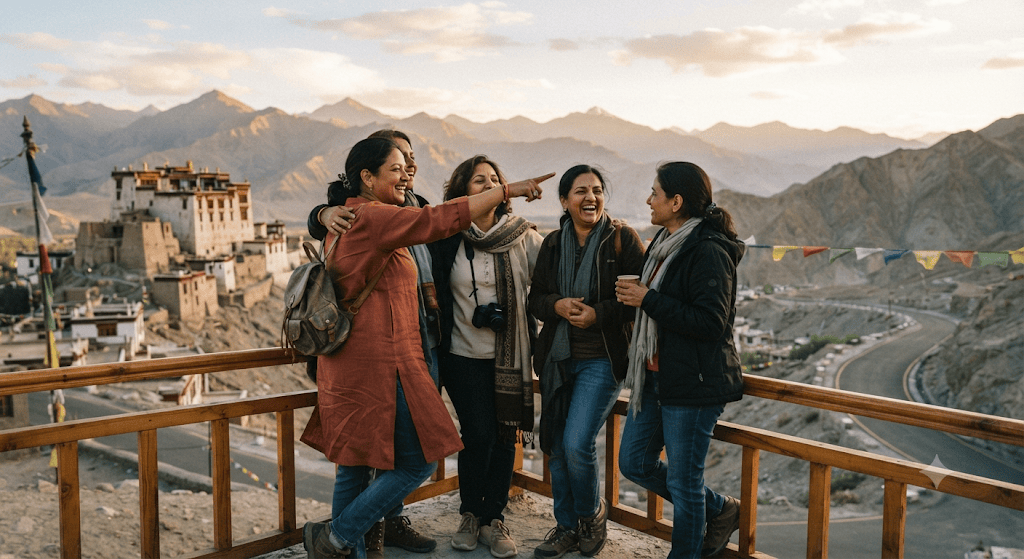
For a long time, the image of solo or adventurous travel skewed heavily toward the young — backpackers in their 20s, gap-year trips, pre-marriage freedom. A quieter but steadily growing trend tells a different story: more Indian women in their 40s, 50s, and beyond are booking trips, often independently, many for the first time in their lives.

Life Stage Finally Allows It

For many women, the years spent raising children or managing a household leave little room for personal travel plans. As children grow more independent, some women find themselves with both the time and the emotional space to prioritize a trip that was postponed for decades.

Financial Independence Plays a Real Role

A growing number of women in this age group have their own income, savings, or financial say in the household — a shift from earlier generations where travel decisions and budgets were more likely controlled by a spouse or family structure. This independence directly enables travel choices made on their own terms.

A Deliberate Reclaiming of Personal Time

Several women who start traveling later in life describe it less as a bucket-list activity and more as a deliberate reclaiming of a version of themselves that existed before marriage, children, and career responsibilities took over most of their time and identity.

Travel Communities Built for This Demographic

Recognizing this shift, several travel groups and tour operators have started designing itineraries and communities specifically for older women travelers — addressing both physical comfort needs and the specific social dynamics of a group where everyone is navigating similar life stages.

Confidence Built From Life Experience

Many women in this age group describe approaching travel with a level of confidence and calm decision-making that comes from decades of managing households, careers, or both — skills that translate surprisingly directly into handling the logistics and occasional unpredictability of travel.

Pushing Back Against Social Expectations

Choosing to travel — especially solo — later in life sometimes still meets resistance from extended family or social circles who view it as an unusual priority at that life stage. Many women navigating this describe it as a conscious, sometimes difficult decision to prioritize their own experience over external expectations.

Bottom Line

Travel after 40 isn’t a consolation prize for missed opportunities earlier in life — for many Indian women, it’s a genuinely deliberate, hard-won chapter that only became possible once time, finances, and confidence aligned. It’s reshaping what “who travels” actually looks like in India.

Sustainable Souvenirs: What to Buy (and Avoid) While Traveling

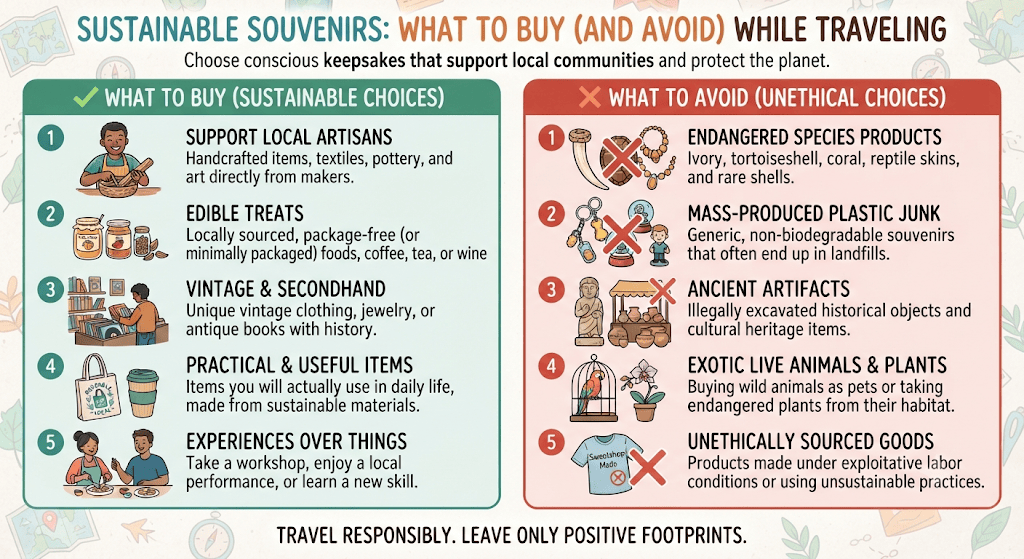
Souvenir shopping feels like a harmless, even supportive part of travel — but not every souvenir actually benefits the place it comes from, and some genuinely work against it. A little awareness turns souvenir shopping into something that actually gives back.

What to Look For

  • Handmade, locally produced items — textiles, pottery, woodwork — made by artisans in the region you’re visiting, rather than imported items simply sold there
  • Products from cooperatives or artisan collectives, which often ensure fairer pay reaches the actual makers rather than being absorbed by middlemen
  • Items made from sustainably sourced materials, particularly relevant for wood, shell, or plant-based products
  • Food items and spices sourced and packaged locally, which support regional agriculture directly

What to Avoid

  • Wildlife products — anything made from coral, ivory, animal skins, shells, or feathers, which often drives illegal poaching or environmental damage regardless of how it’s marketed
  • Mass-produced “local” items that are actually manufactured elsewhere and shipped in, offering no real benefit to the local economy despite the packaging
  • Ancient or archaeological artifacts, genuine or convincingly fake, which are frequently illegal to export and contribute to looting when authentic
  • Single-use or excessive packaging, which undercuts the sustainability of an otherwise reasonable purchase

Ask Before You Buy

A simple question to the seller — “who makes this, and where?” — often reveals a lot. Sellers proud of local, artisan-made goods are usually happy to share the story behind them; vague or evasive answers are often a signal the item isn’t what it’s marketed as.

Consider the Souvenir’s Actual Life After the Trip

A souvenir that ends up unused in a drawer within a year has the same environmental footprint as any other unnecessary purchase, regardless of how ethically it was sourced. Choosing something genuinely useful or meaningful — rather than buying for the sake of having bought something — reduces this kind of eventual waste.

Supporting the Economy Beyond Souvenirs

Buying meals, tours, and accommodations from local, small-scale businesses often has a bigger positive economic impact than souvenir shopping alone — souvenirs are one part of a broader pattern of how travel spending reaches (or bypasses) the local community.

Bottom Line

A souvenir can genuinely support a destination’s artisans and economy, or it can quietly contribute to exploitation, environmental harm, or a local economy that sees none of the benefit. A little curiosity about where an item actually comes from turns an ordinary purchase into a more meaningful one.

Women in Wildlife Photography: Patience, Risk, and the Perfect Frame

Wildlife photography has long carried an image of rugged, solitary men crouched in the bush for hours. That image is steadily being challenged by a growing number of women building genuine, respected careers in a field that demands patience, physical endurance, and a real tolerance for risk.

The Unglamorous Reality of the Work

Wildlife photography involves far more waiting than shooting — hours or even days positioned near a waterhole or den site, in extreme heat or cold, often with no guarantee that the anticipated shot will ever materialize. The romantic image of the “perfect frame” hides an enormous amount of unglamorous, physically demanding patience.

Facing Skepticism in the Field

Women wildlife photographers have often described being underestimated by local guides, forest staff, or even fellow photographers early in their careers — an assumption that physically demanding fieldwork wasn’t a natural fit for them, an attitude that’s shifted considerably but hasn’t disappeared entirely.

Building Technical Expertise From Scratch

Wildlife photography requires specific technical mastery — understanding animal behavior to predict movement, working with specialized long lenses, managing unpredictable lighting in the field — skills built over years of dedicated practice, same as any photographer regardless of gender, though often without as many visible mentors or role models to learn from directly.

The Physical and Safety Risks Involved

Working in proximity to wild animals, navigating remote terrain, and spending extended periods in isolated locations carries genuine physical risk — risk that doesn’t discriminate by gender, but that women in the field have sometimes had to actively push back against being told they shouldn’t take on.

Bringing a Different Perspective to the Work

Some women wildlife photographers have spoken about approaching their subjects with a particular sensitivity to behavior and storytelling — less focused purely on the dramatic “action shot,” and more interested in quieter, relationship-driven moments within animal groups, adding a distinct voice to a field often dominated by a narrower visual style.

Mentorship and Visibility Growing Slowly

As more women’s work gains recognition through awards, publications, and social media visibility, it’s gradually becoming easier for newer photographers to see a viable path into the field — role models that simply didn’t exist as visibly a generation ago.

Bottom Line

Wildlife photography rewards patience, technical skill, and a willingness to sit with real discomfort and risk for the sake of a single frame — qualities that have nothing to do with gender, but that women in the field have had to prove repeatedly regardless. Their growing presence is slowly reshaping who gets to be seen as an authority in this space.