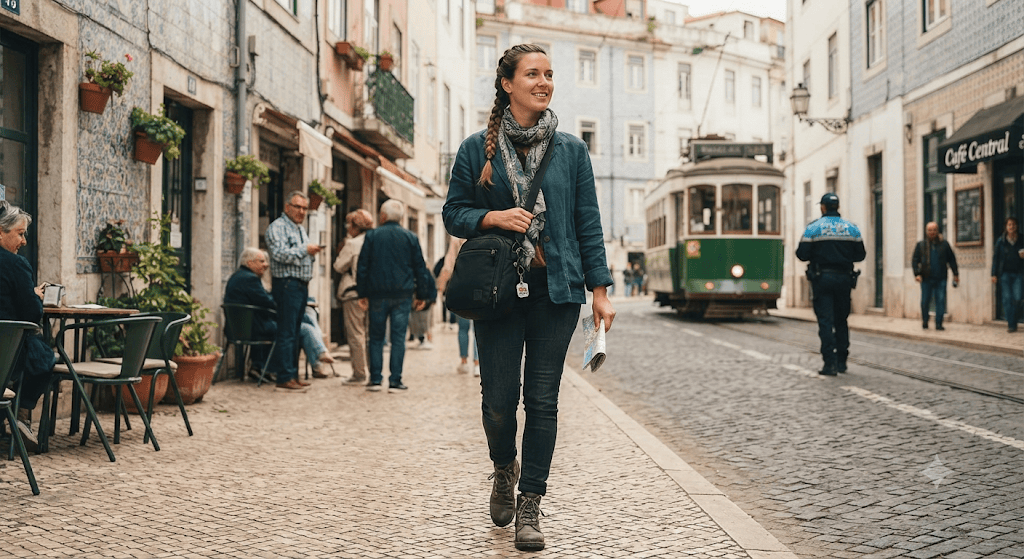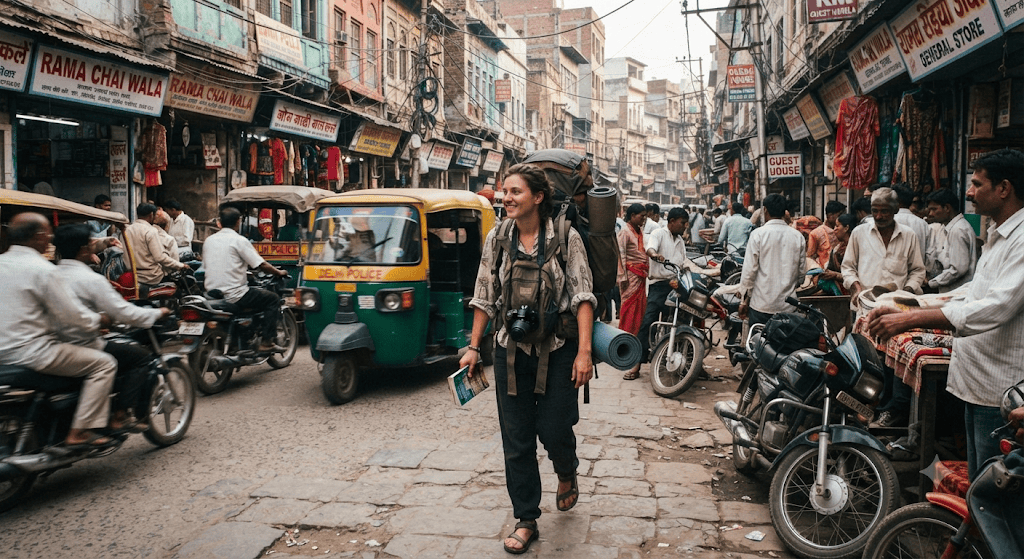
Women-Only Travel Groups: Are They Actually Safer?

Women-only travel groups have grown significantly in recent years, often marketed primarily around one promise: safety. But does traveling exclusively with other women actually reduce risk, or does the reassurance outpace the reality? Here’s a closer look.

What These Groups Typically Offer

Most women-only travel groups combine shared accommodation, pre-vetted itineraries, and — often the biggest draw — the reassurance of not navigating an unfamiliar destination entirely alone. Many also include a female trip leader with local knowledge of the destination.

Where the Safety Argument Genuinely Holds

Numbers do offer some real protection — a group is generally a less appealing target for harassment or theft than a lone traveler, and shared accommodation reduces the vulnerability of staying somewhere unfamiliar and unverified alone. A trip leader who knows the destination well also removes a lot of the guesswork that creates risk for solo, first-time visitors.

Where the Promise Gets Overstated

Group travel doesn’t eliminate risk — it changes its shape. Groups can still be pickpocketed, still encounter unsafe situations in transit, and group dynamics themselves can sometimes create their own friction or discomfort that has nothing to do with external safety at all.

It’s Not a Substitute for Basic Precautions

Some travelers relax basic safety habits once in a group setting, assuming numbers alone provide protection — skipping the same location-sharing or research they’d otherwise do solo. The safety benefit of a group is additive, not a replacement for individual awareness.

The Real Value May Be Different Than Advertised

For many participants, the standout benefit of women-only trips isn’t safety in the strictest sense — it’s the comfort of shared understanding, not needing to explain certain concerns, and often a stronger sense of connection with fellow travelers than mixed-group trips tend to produce.

What to Actually Check Before Booking One

  • The organizer’s track record and reviews from past participants, not just marketing claims
  • What’s actually included in terms of guide presence, accommodation vetting, and emergency support
  • Group size, since very large groups can dilute both the safety benefit and the personal connection that’s often the real draw

Bottom Line

Women-only travel groups do offer genuine practical benefits, but “safer” isn’t an automatic guarantee just because the group is exclusively female — it depends heavily on how well-organized and experienced the specific group actually is. They’re a solid option for many first-time or hesitant travelers, but not a replacement for ordinary travel safety awareness.
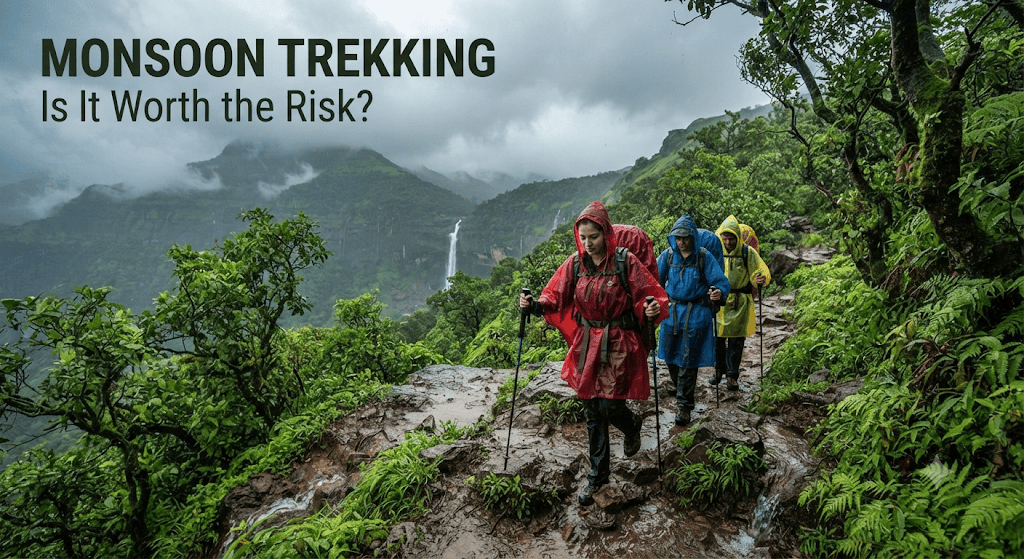

Monsoon Trekking: Is It Worth the Risk?

Monsoon turns familiar trails into something else entirely — waterfalls appear overnight, hillsides turn a deep green, and the whole landscape feels alive in a way summer treks rarely capture. It’s also, without question, riskier. Here’s an honest look at the trade-off.

Why Trekkers Are Drawn to Monsoon Treks

Monsoon transforms otherwise dry, dusty trails into lush, waterfall-lined landscapes that simply don’t exist the rest of the year. For trekkers chasing dramatic scenery and fewer crowds, this narrow seasonal window offers something genuinely unique.

The Real Risks Involved

  • Slippery, unstable terrain — mud and wet rock significantly increase the risk of slips and falls, especially on steep or rocky sections
  • Leeches and increased insect activity, particularly in forested, humid trail sections
  • Landslide and flash flood risk, especially in hill regions with loose soil or near river crossings
  • Reduced visibility from fog and heavy rain, making navigation harder on unmarked or less-trodden trails
  • Swollen rivers and streams that may be safely crossable in dry season but become dangerous during monsoon

Which Treks Handle Monsoon Better

Some regions — particularly in the Western Ghats and parts of the Sahyadri range — are specifically known and prepared for monsoon trekking, with well-established trails and local guides experienced in monsoon conditions. Higher Himalayan treks, by contrast, are generally far riskier and less advisable during peak monsoon months due to landslide-prone terrain.

How to Trek More Safely If You Choose To

  • Go with a local guide who knows current trail conditions, not just the route itself
  • Check recent weather and landslide advisories specific to the exact trail, not just the general region
  • Carry proper gear — grippy waterproof shoes, dry bags, and a raincoat rather than just an umbrella
  • Avoid river crossings during or right after heavy rainfall, even if the crossing seemed manageable before
  • Have a flexible itinerary that allows turning back if conditions worsen, rather than pushing through to stick to a fixed plan

Who Monsoon Trekking Isn’t Right For

First-time trekkers, anyone trekking solo without local knowledge, or routes without established monsoon-season precedent are generally better attempted in drier months. Monsoon trekking rewards experience and preparation far more than trekking in more forgiving seasons.

Bottom Line

Monsoon trekking can be genuinely spectacular, but it demands real respect for the added risk — proper gear, local knowledge, and a willingness to turn back. It’s not inherently reckless, but it’s also not something to attempt casually or without real preparation.

How to Plan a Girls’ Trip That Works for Every Budget in the Group

Group trips rarely fall apart over the destination — they fall apart over money. Someone wants a nicer stay, someone else is watching every rupee, and nobody wants to be the one who brings it up first. Here’s how to plan around that honestly.

Talk Budget Before Talking Destination

Choosing a destination first and discussing budget later almost guarantees mismatch — a dream location might be unaffordable for one or two people who then either overspend or drop out. Getting a rough number from everyone upfront should shape the destination choice, not follow it.

Use a Range, Not a Fixed Number

Asking “what’s your budget?” often gets vague or overly generous answers out of politeness. Asking for a comfortable range instead — “what’s the most and least you’d want to spend?” — tends to surface more honest numbers.

Separate “Must-Do” From “Nice-to-Have” Expenses

Splitting the trip into non-negotiables (accommodation, transport) and optional extras (spa day, a fancy dinner, shopping) lets everyone opt into the shared essentials while choosing individually on the optional spending, rather than forcing a single shared standard on everything.

Choose Accommodation With Flexible Options

Picking a stay with multiple room types — some shared dorms or triple rooms alongside private options — lets people self-select their comfort level and cost without an awkward conversation about who’s paying for what kind of room.

Avoid the “We’ll Split Everything Evenly” Trap

Splitting every cost evenly sounds fair but often isn’t — someone who skips the expensive dinner still ends up paying an equal share. Tracking who actually spent what, and settling based on real usage, avoids resentment that builds quietly over a trip.

Use a Shared Expense App

A simple shared-expense tracking app removes the awkwardness of manually calculating who owes what, and keeps the money conversation transparent and low-drama throughout the trip rather than as one big confrontation at the end.

Give Space for Someone to Opt Out of Certain Plans

Not every activity needs full group participation. Letting people skip an expensive add-on without guilt-tripping keeps the trip enjoyable for everyone, rather than pressuring the group into a single, uniformly priced experience.

Bottom Line

A girls’ trip that respects different budgets isn’t less fun — it’s usually more relaxed, because nobody’s quietly stressed about money the whole time. A little upfront honesty about spending goes further toward a good trip than any destination choice ever could.

How to Travel Safely as a Woman: A City-by-City Checklist

Most travel safety advice for women stays frustratingly generic — “stay alert,” “trust your gut.” Useful in theory, but not something you can actually act on while planning a trip. Here’s a more concrete, practical checklist to run through for any new city.

Before You Arrive

  • Research the neighborhood, not just the city. Safety varies block by block; a general “is this city safe” search is far less useful than checking reviews for your specific accommodation’s area.
  • Book your first night’s stay in advance, even if you plan to figure out the rest as you go — arriving somewhere unfamiliar at night with no confirmed stay adds unnecessary risk.
  • Note the local emergency number and save it, along with your accommodation’s address, somewhere accessible offline.

On Arrival

  • Arrange airport/station transport in advance through a verified app or hotel-arranged pickup rather than picking an unmarked cab on arrival, especially late at night.
  • Get local SIM or data working immediately so navigation and communication don’t depend on unreliable wifi.
  • Do a short daylight walk around your immediate accommodation area before exploring further, to build a basic mental map of safe, familiar streets.

Day-to-Day Habits

  • Share your daily plan with someone back home or a trusted contact, even briefly — which area you’re heading to, expected return time.
  • Keep a downloaded offline map as backup in case of poor connectivity.
  • Carry a physical copy of key addresses (accommodation, embassy if abroad) in case your phone dies or gets lost.

Choosing How You Move Around

  • Prefer verified ride apps over street hailing, and share trip details with a contact when using them in unfamiliar cities.
  • Sit near the driver or in well-lit compartments on public transport late at night, rather than isolated sections.
  • Trust discomfort over politeness — leaving an uncomfortable situation early, even if it feels socially awkward, is always the safer choice.

Know the Local Norms

Dress codes, appropriate behavior in religious or conservative areas, and common local scams vary significantly by city. A quick check of destination-specific advice (not generic global tips) helps you blend in and avoid unnecessary attention.

Bottom Line

Safety while traveling isn’t about constant fear — it’s about a short list of concrete habits that reduce avoidable risk. A little city-specific preparation before arrival does far more than any generic “stay safe” advice ever could.

Budget Backpacking in India: Real Costs for a Week-Long Trip

“Travel India for ₹500 a day” headlines make for good clicks, but rarely reflect what an actual week on the road costs once transport, food, and unexpected expenses are factored in. Here’s a more grounded, realistic breakdown.

Accommodation

Hostel dorm beds in popular backpacker circuits typically range from ₹300–800 a night, while budget guesthouses or basic homestays run somewhat higher, especially in tourist-heavy hill stations or coastal towns during peak season. Booking a few nights in advance in popular spots avoids scrambling for last-minute options at inflated prices.

Local and Intercity Transport

Sleeper class trains remain the cheapest way to cover long distances, often just a few hundred rupees for journeys that would cost far more by bus or flight. Local transport — autos, shared jeeps in hill areas, local buses — adds up gradually but stays manageable if you avoid tourist-rate private cabs.

Food

Eating at local dhabas and street food stalls instead of restaurants catering to tourists cuts food costs dramatically — a full day’s meals can often be managed within ₹300–500 if you’re not eating at cafés built around foreign backpacker prices.

The Costs Budget Guides Often Skip

  • SIM cards and data, especially if you need connectivity for bookings or safety check-ins
  • Entry fees for monuments, parks, or heritage sites, which add up faster than expected across a week
  • Buffer for delays — missed connections or weather-related detours that require an unplanned extra night somewhere
  • Basic travel insurance, often skipped by budget travelers but genuinely worth the small cost

A Realistic Weekly Range

Accounting for all of this, a genuinely budget-conscious week in India — not luxury, not uncomfortable either — tends to land somewhere in the ₹8,000–15,000 range per person, depending heavily on the region and season, rather than the unrealistically low figures often quoted online.

Where Real Savings Actually Come From

The biggest cost differences don’t come from squeezing every rupee on food, but from bigger decisions — traveling in off-season, choosing sleeper trains over flights, and picking fewer destinations to reduce transport costs, rather than rushing between too many places in one week.

Bottom Line

Budget backpacking in India is genuinely affordable compared to most parts of the world, but the “impossibly cheap” numbers online usually leave out real costs that add up. Planning around a realistic range, rather than an inflated best-case number, makes for a much less stressful trip.

Slow Travel vs Fast Travel: Why Fewer Places Might Mean More

Somewhere along the way, travel started being measured by how many places you can visit, not how well you actually experienced any of them. Slow travel pushes back against that — fewer destinations, more time in each, and a very different kind of trip.

What Fast Travel Actually Gives You

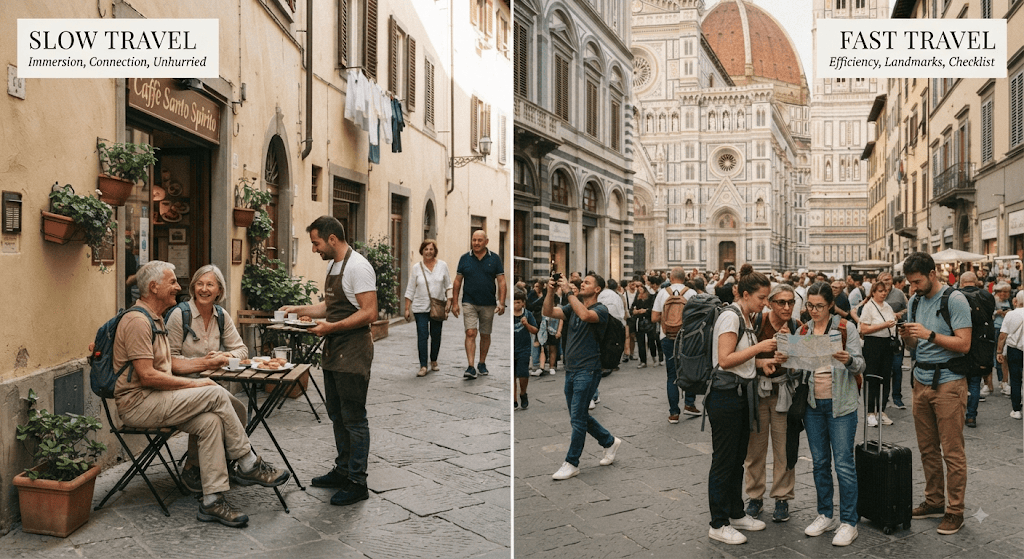
Fast travel — five countries in ten days, a new city every 48 hours — delivers photos, checkmarks, and a broad surface-level sense of many places. It works well for people who genuinely want a highlight-reel overview, or who may not get the chance to return.

What Fast Travel Costs You

The tradeoff is depth. A city seen for one rushed day rarely allows for the kind of unplanned moments — a conversation with a shopkeeper, getting comfortably lost, revisiting a spot that mattered — that tend to be what people actually remember months later.

What Slow Travel Looks Like in Practice

Slow travel means picking fewer destinations and staying longer in each — days or weeks instead of hours. It allows time to settle into a place: understanding the rhythm of daily life there, not just its landmarks.

The Case for Repetition

Returning to the same café, market, or neighborhood multiple times over a longer stay builds a kind of familiarity that a first visit never can. Slow travel often means less novelty per day, but more genuine connection to the place by the end.

It’s Often Kinder to Your Budget and Body Too

Constant movement — new hotels, new transport, new logistics every day or two — is exhausting and expensive. Staying longer in fewer places usually means better accommodation deals, less transit cost, and considerably less travel fatigue.

Choosing What’s Right for the Trip

Fast travel isn’t wrong — sometimes a short window genuinely calls for covering more ground. But when time allows, slow travel tends to leave a much stronger, more personal impression of a place than a checklist of destinations ever does.

Bottom Line

A trip isn’t measured by how many pins you can drop on a map. Spending real time in fewer places, letting a destination unfold slowly instead of rushing through it, often leaves you with something a fast itinerary simply can’t — an actual sense of having been somewhere, not just passed through it.

Menstrual Health on the Trail: What No One Tells You Before a Trek

Most trekking guides cover fitness, gear, and altitude in detail — but rarely address something half of all trekkers eventually deal with: managing a period on the trail. Here’s the practical information that’s usually left unsaid.

Trekking During Your Period Is Completely Possible

There’s a persistent myth that menstruating and high-altitude trekking don’t mix well. In reality, most people can trek comfortably during their period with the right preparation — it’s rarely a reason to cancel or delay a planned trek.

Choose the Right Products for the Terrain

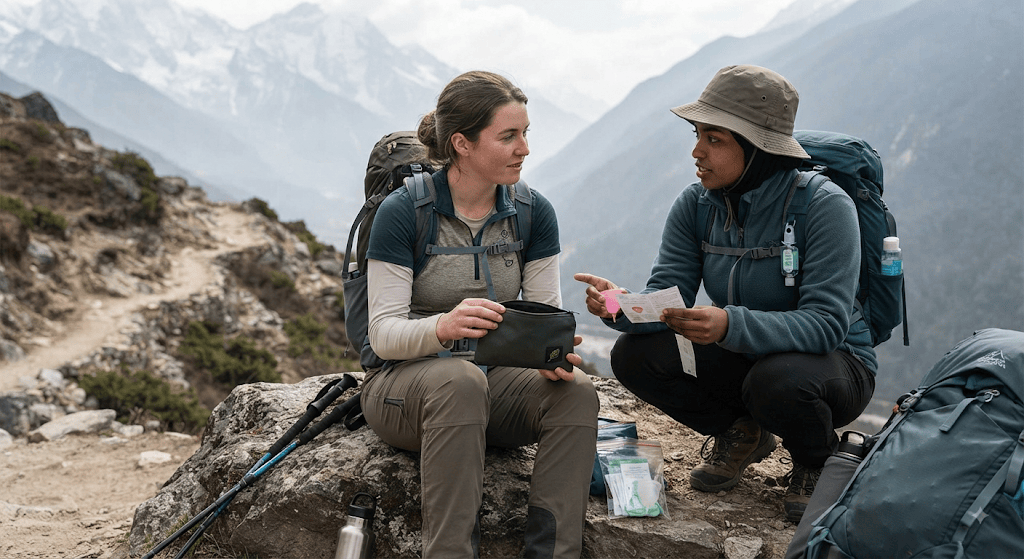
Multi-day treks with limited access to disposal facilities make menstrual cups or period underwear far more practical than pads or tampons, which require more frequent changing and generate more waste to carry out. Trying a new product at home well before the trek — not for the first time on the trail — avoids unpleasant surprises.

Pack Out, Don’t Leave Behind

Any used menstrual products need to be carried out in a sealed bag, exactly like other non-biodegradable waste — leaving them on the trail (even buried) is both an environmental and hygiene issue in fragile mountain ecosystems.

Managing Hygiene With Limited Water

Carrying wet wipes, a small bottle of water for rinsing, and hand sanitizer covers most hygiene needs when a proper toilet or shower isn’t available for a day or two. Planning a private moment during breaks, rather than waiting for a “perfect” spot, usually works better than expecting ideal conditions.

Cramps and Altitude

Cramps can occasionally feel more intense at altitude due to increased blood flow and exertion. Carrying a basic pain reliever, staying hydrated, and pacing more gently on heavier flow days helps manage this without derailing the whole trek.

Talk to Your Trek Leader If Needed

A good trek leader has dealt with this before and can help plan slightly longer breaks or adjust pace if needed — bringing it up isn’t awkward, it’s practical trip planning, same as mentioning any other physical consideration.

Bottom Line

A period is not a valid reason to skip a trek you’ve been looking forward to. With the right products, a little extra planning, and a practical mindset about waste and hygiene, it’s entirely manageable — it just rarely gets talked about openly enough for first-timers to know that going in.

Zero-Waste Travel: Packing Light Without the Plastic

Travel has a strange relationship with plastic — the more we try to pack light and stay convenient, the more disposable items tend to sneak in. A zero-waste approach doesn’t mean packing more; it usually means packing smarter.

Rethink Toiletries First

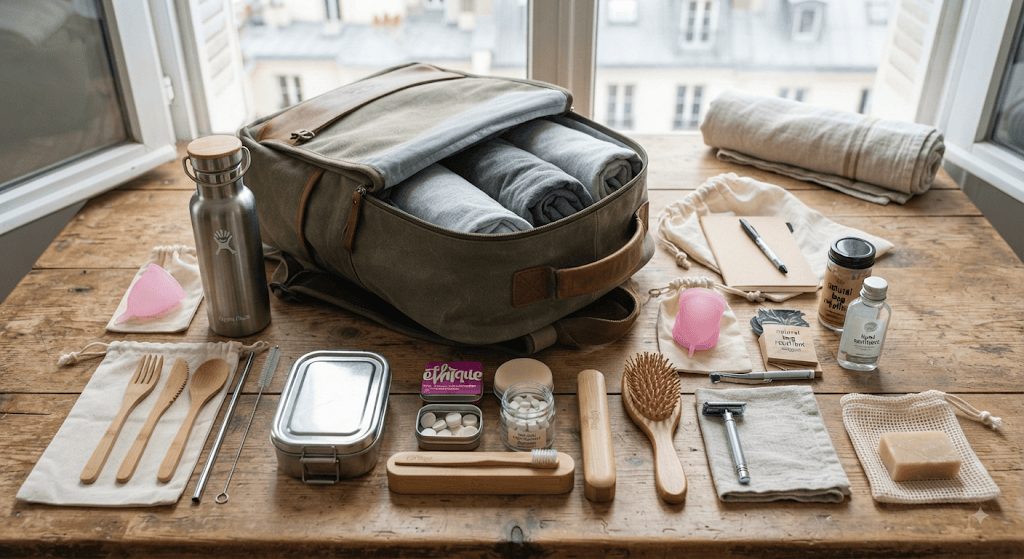
Mini plastic bottles are the biggest repeat offender in most travel bags. Solid shampoo and soap bars, refillable silicone bottles, and a reusable toothbrush cut out an entire category of single-use plastic without adding any real bulk.

Carry Your Own Water Solution

A reusable bottle paired with a portable purification option (like a filter bottle or purifying tablets) removes the need to keep buying plastic water bottles at every stop — one of the most common sources of travel waste, especially on longer trips.

Pack Reusable Bags, Plural

One tote isn’t enough. A small stash of reusable bags — for laundry, shoes, snacks, or shopping — replaces the plastic bags that hotels, markets, and transport hubs hand out by default.

Bring Your Own Cutlery and Container

A compact cutlery set and a foldable container handle both street food and leftovers without relying on plastic forks or takeaway boxes. It sounds minor, but over a multi-day trip, it adds up to a noticeable reduction in throwaway plastic.

Choose Snacks Without the Wrapping

Buying local, unpackaged snacks — fruit, roasted nuts, bakery items — instead of individually wrapped packets cuts waste and often means fresher, more interesting food along the way.

Say No Before You’re Offered

Many single-use items — extra bags, straws, disposable amenities — are handed out by default, not because they’re needed. A simple “no, thank you” at the point of offering prevents most of this waste before it even starts.

Bottom Line

Zero-waste travel isn’t about carrying more stuff — it’s about carrying a few reusable essentials that quietly replace a dozen disposable habits. The bag ends up lighter, not heavier, and the trip leaves a little less behind.

What I Wish I Knew Before My First Trek

Every first-time trekker imagines the trail before actually walking it — and almost always gets a few things wrong. It’s not about lacking fitness or gear; it’s the small, practical lessons that only show up once you’re actually on the mountain. Here’s what tends to surprise most people the first time around.

Fitness Isn’t the Same as Trek-Readiness

Being generally active doesn’t automatically prepare your body for hours of continuous incline, altitude changes, and uneven terrain. Trek-specific training — stairs, weighted walks, longer walking sessions — matters far more than general gym fitness.

Breaking In Shoes Is Non-Negotiable

New trekking shoes worn for the first time on the trail is one of the most common rookie mistakes. Blisters that seem minor on day one can derail an entire trek by day two. Shoes need to be worn and walked in well before the actual trip.

Layering Beats Bulk

Carrying one heavy jacket “just in case” is less effective than multiple thin layers. Weather on a trek can shift quickly — layers let you adjust in minutes instead of overheating or freezing for hours.

Pace Yourself, Not the Group

New trekkers often try to match the pace of fitter or more experienced people in the group, which leads to early exhaustion. A slow, steady pace almost always outperforms a fast start followed by a forced crawl.

Altitude Sickness Doesn’t Care About Fitness Level

Even strong, fit trekkers can be hit by altitude sickness, since it’s about acclimatization, not stamina. Ignoring early symptoms like headaches or nausea, hoping they’ll pass, is a mistake that can escalate quickly.

Pack Less Than You Think You Need

First-time trekkers tend to overpack “just in case” items that never get used, while underestimating how much extra weight slows them down. A tighter, well-thought-out pack beats a heavier “prepared for everything” one.

The Silence Is the Real Reward

No amount of research prepares you for how different the mountains feel in person — the quiet, the scale, the disconnect from everyday noise. It’s usually not the summit photo that stays with people, but that unexpected stillness along the way.

Bottom Line

A first trek always teaches more than any blog or packing list can. But knowing what’s coming — the blisters, the pacing mistakes, the altitude surprises — makes that first trail a little less overwhelming, and a lot more enjoyable.

Women-Owned Cafes and Homestays Worth Supporting on Your Next Trip

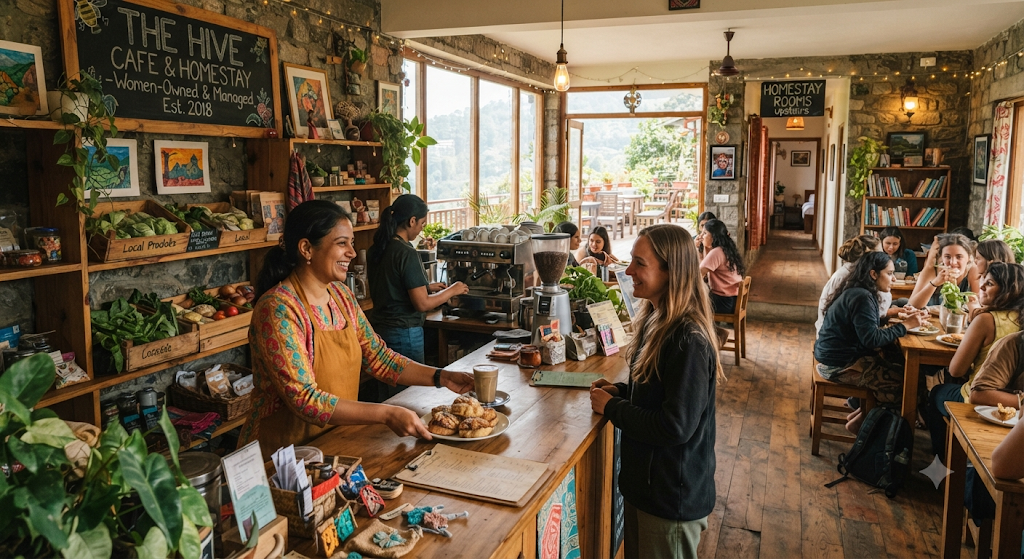
Every trip involves dozens of small spending decisions — where to eat, where to stay, whose business gets your money. Most of these choices are made on convenience alone. But a growing number of travelers are starting to ask one more question: who actually owns this place? Seeking out women-owned cafes and homestays is a small shift that adds up to real support.

Why It Matters

Women entrepreneurs, especially in hospitality and food service, often face harder paths to funding, land ownership, and business credit than their male counterparts. A homestay or café run by a woman — particularly in smaller towns or rural areas — frequently represents not just a business, but a hard-won foothold in local economic life. Choosing to spend there is a direct, tangible way to back that effort.

What These Places Often Offer

Women-run homestays in particular tend to lean into hospitality that feels personal rather than transactional — home-cooked meals, local recipes passed down through family, and a level of care that larger commercial stays rarely replicate. Cafés run by women often double as community spaces, sometimes hiring other local women and reinvesting in the neighborhood around them.

How to Find Them While Traveling

  • Ask locally, not just online. Tourism boards and local women’s self-help groups often know of homestays that never make it onto big booking platforms.
  • Look for cooperative and self-help group listings. Many regions have women-run hospitality collectives, especially in rural and hill areas, that list multiple homestays together.
  • Check reviews for ownership mentions. Guests often note “run by [name] and her family” — a good sign of a woman-led stay.
  • Support cafés that hire visibly. A café that trains and employs local women, not just serves good coffee, extends the impact further.

Beyond the Trip

Supporting women-owned spaces while traveling isn’t just a nice gesture — it directly channels tourist spending into hands that often see the least of it. It’s a small, deliberate choice that turns an ordinary trip into something with a slightly wider impact.