The Environmental Cost of Destination Weddings

The Guest Travel Problem

The single biggest environmental cost of a destination wedding often isn’t the venue — it’s getting a hundred-plus guests there by flight for a single weekend. Multiply that across India’s peak wedding season and the cumulative footprint is significant, even before a single flower is arranged.

Single-Use Decor, Multiplied

Elaborate floral installations, printed welcome kits, single-use drapes, and themed props are frequently built for one event and discarded after. What looks like abundance in photographs is, functionally, a large volume of short-lived material waste — much of it non-biodegradable.

Water-Stressed Destinations, Water-Heavy Events

Many popular Indian wedding destinations — hill towns, desert palaces, lakeside venues — already deal with seasonal water stress. Multi-day events with pools, elaborate catering, and daily linen changes place real strain on local water systems that locals live with long after the wedding party leaves.

What a Lower-Impact Version Looks Like

Couples opting for local sourcing of flowers and food, rental decor instead of custom-built installations, digital invites, and smaller guest lists are quietly changing what a “big fat Indian wedding” can look like — without giving up the celebration itself.

Bottom Line

Destination weddings aren’t going away, but the assumption that scale and spectacle are the only way to celebrate is worth questioning — especially in places that will carry the environmental cost long after the guests go home.
Plastic-Free Periods: Are Reusable Products Actually Worth It?

Reusable menstrual products get recommended constantly for their environmental benefits, but the practical side of actually switching — comfort, cost, hygiene, learning curve — gets far less honest discussion. Here’s a grounded look at what the switch actually involves.

The Waste Problem With Disposables

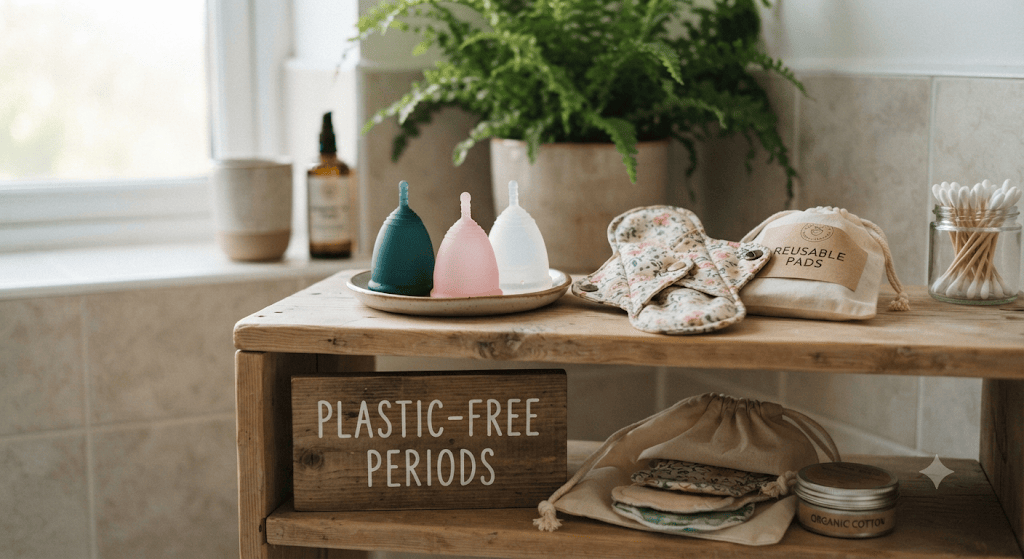
A single person using disposable pads or tampons generates a significant amount of non-biodegradable waste over their menstruating years — most of it made from plastic that will outlast the person who used it by centuries. This is the core environmental argument for reusables, and it’s a real one.

Menstrual Cups: The Learning Curve Is Real

Menstrual cups have the steepest initial learning curve of any reusable option — folding, insertion, and removal take a few cycles to get comfortable with. Most people who stick with it past the first two or three cycles report it becoming easy, but the early frustration is genuine and shouldn’t be dismissed.

Reusable Cloth Pads: The Gentler Switch

Cloth pads function almost identically to disposable pads, just washed and reused, making them a much easier first step into reusable products without requiring any new technique to learn. The tradeoff is needing proper washing facilities and a bit more laundry.

The Cost Math Over Time

Reusable products cost significantly more upfront — a good menstrual cup or a set of cloth pads can cost as much as several months of disposables. But since they last years, not months, the long-term cost is substantially lower, often paying for itself within a year or so of consistent use.

Hygiene Considerations

Reusable products require proper cleaning — boiling cups between cycles, thoroughly washing cloth pads — which takes more active effort than simply disposing of a used product. For people without reliable private washing access, this is a genuine practical barrier, not a minor inconvenience.

They’re Not All-or-Nothing

Many people who switch don’t go 100% reusable — using cups or cloth pads at home and disposables while traveling or in situations with limited hygiene facilities is a common, practical middle ground rather than an everything-or-nothing choice.

Bottom Line

Reusable menstrual products genuinely reduce waste and save money over time, but they come with real upfront cost, a learning curve, and hygiene logistics that aren’t right for every situation. They’re worth trying, but not something to feel obligated to switch to completely — a partial switch still meaningfully reduces waste compared to full reliance on disposables.

How to Choose Eco-Friendly Homestays While Booking Online

Booking platforms are full of listings tagged “eco-friendly” or “sustainable” — but the label alone doesn’t mean much without digging a little deeper. Here’s how to actually evaluate a homestay before booking, instead of taking the tag at face value.

Look Past the Tag, Into the Description

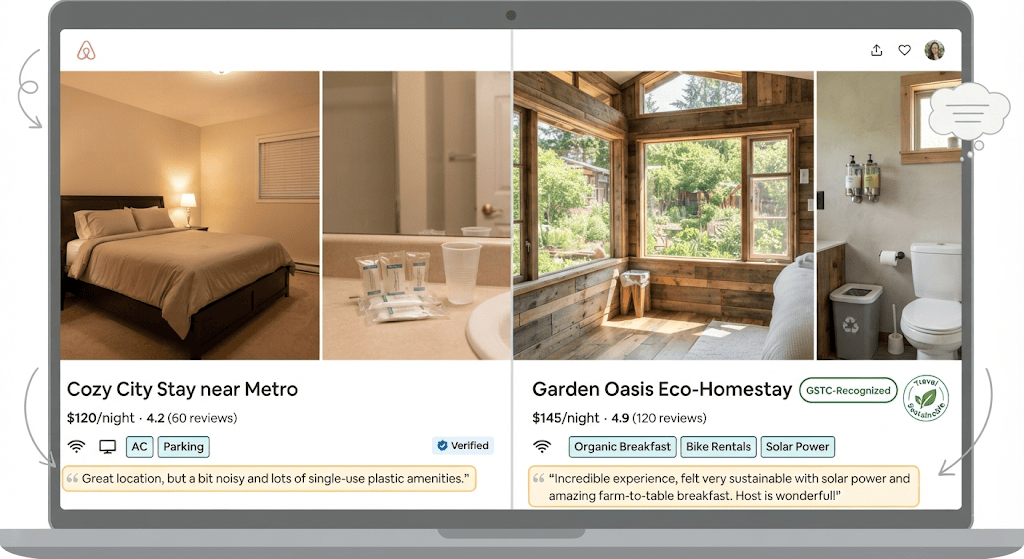
A genuinely sustainable homestay usually describes specific practices — solar power, rainwater harvesting, composting, local sourcing — rather than just the word “eco-friendly” sitting alone in the listing title. Vague labeling with no specifics is often a sign the tag is more marketing than practice.

Check for Local Ownership and Employment

Homestays run by local families, employing local staff, tend to have a smaller footprint and a more direct positive impact than larger properties built and staffed from outside the region. Listings that mention this directly are usually more transparent about their model.

Read Reviews for Specifics, Not Just Ratings

A high star rating alone doesn’t confirm sustainability. Reviews that mention things like “loved the solar-heated water” or “they compost all kitchen waste” are far more reliable indicators than a generic five-star rating with no detail.

Ask Before You Book

Most hosts are happy to answer direct questions about water sourcing, waste management, or energy use if asked. A quick message before booking — “how do you manage waste and water here?” — often reveals more than the listing itself.

Watch for Over-Construction

A homestay advertised as eco-friendly but built with heavy concrete construction, large manicured lawns, or excessive amenities is often working against the very label it’s using. Simpler, more traditional construction methods usually align better with genuine sustainability.

Prioritize Small Over Large

Smaller, family-run homestays generally have a lighter environmental footprint than larger resort-style “eco” properties, simply due to scale — fewer rooms, less infrastructure, less resource consumption per guest.

Bottom Line

“Eco-friendly” is an easy word to add to a listing and a harder one to actually practice. A little extra reading — and a direct question or two before booking — goes a long way toward finding a stay that’s genuinely living up to the label, not just wearing it.

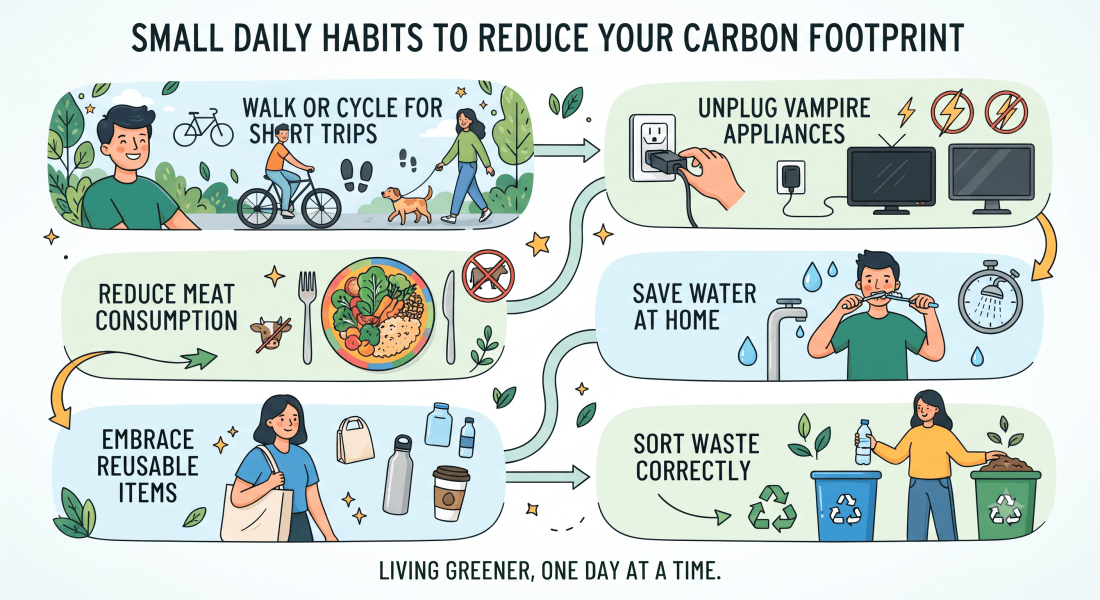
Small Daily Habits That Reduce Your Carbon Footprint

Cutting your carbon footprint doesn’t require a lifestyle overhaul. Most of the impact comes from small, repeatable habits — the kind that fit into an already busy day without feeling like a sacrifice.

Rethink Your Commute

Even swapping one or two car trips a week for walking, cycling, or public transport adds up over a year. If a full switch isn’t practical, carpooling with a colleague or neighbor cuts emissions per person without changing your route.

Unplug What You’re Not Using

Devices left plugged in — chargers, appliances, routers on standby — draw small amounts of power constantly. Unplugging them when not in use, or using a power strip you can switch off at once, is a near-zero-effort habit with a real cumulative effect.

Cut Down on Single-Use Plastic

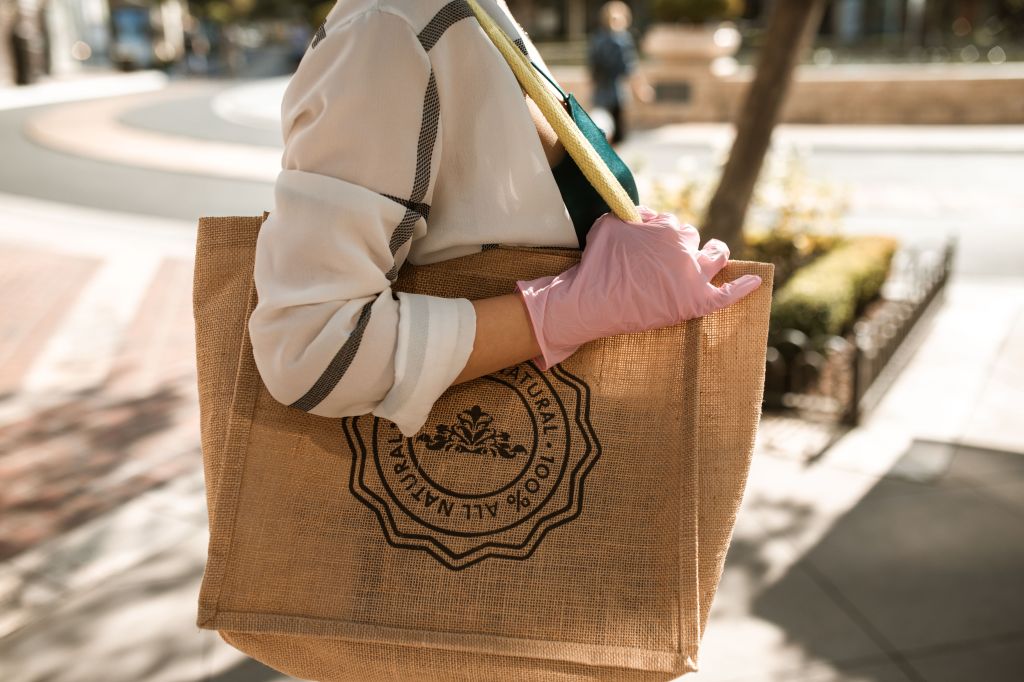
Carrying a reusable water bottle, a cloth bag, or a steel tiffin instead of relying on single-use plastic each day reduces both your waste output and the emissions tied to producing that plastic in the first place.

Eat a Little More Local, a Little Less Processed

Food that travels shorter distances and requires less processing generally has a smaller carbon footprint. You don’t need to go fully local or vegetarian overnight — even shifting one or two meals a week toward local, less-processed options makes a difference over time.

Be Deliberate About Water Use

Shorter showers, turning off the tap while brushing your teeth or washing dishes, and fixing leaky taps promptly all reduce the energy used to heat, pump, and treat water — a footprint most people don’t think about day to day.

Buy Less, Use Longer

Fast fashion and short-lived gadgets both carry a heavy production footprint. Choosing quality over quantity, repairing instead of replacing, and reusing what you already have cuts down on manufacturing emissions far more than any single “eco” purchase can.

Bottom Line

None of these habits require a big budget or a dramatic lifestyle change. They’re small adjustments that, done consistently, add up to a meaningfully lighter footprint — proof that everyday choices matter just as much as big environmental policies.

Eco-Friendly Products I Actually Use Daily

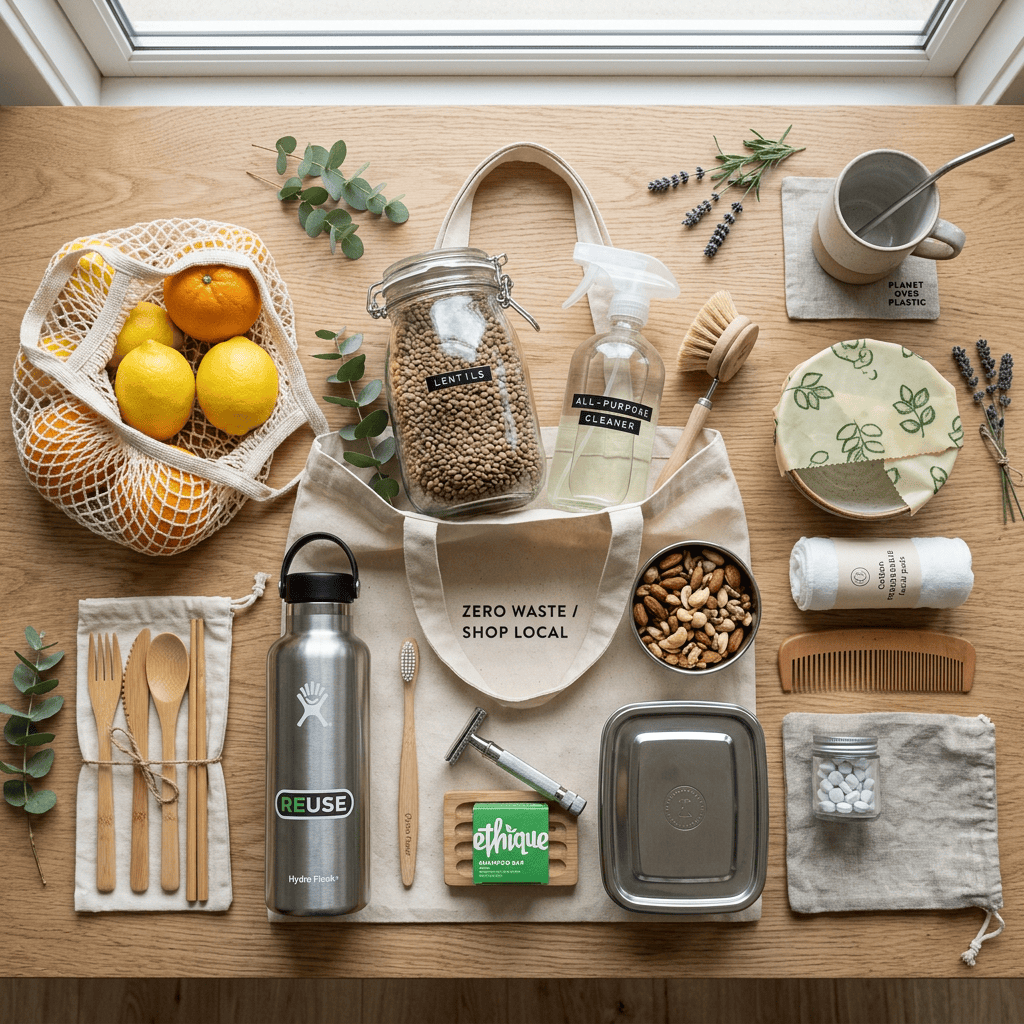
Zero waste items including reusable bag, stainless steel water bottle, wooden utensils, glass jar with lentils, natural cleaning spray, bamboo toothbrush, metal food container, shampoo bar, comb, and cotton rounds.

There’s a lot of noise around “zero waste” living that can feel overwhelming — bamboo everything, expensive swaps, an all-or-nothing pressure. What’s actually worked for me is much simpler: a handful of everyday products that quietly replaced their plastic-heavy counterparts, without needing a lifestyle overhaul.

1. Steel water bottle
The one swap that’s stuck the longest. No more buying plastic bottles when out, and it keeps water cool for hours.

2. Cloth pouches for groceries
Instead of taking a plastic bag for every small grocery run, a couple of cloth pouches folded into my bag handle most day-to-day shopping.

3. Bar shampoo
Skeptical at first, but a good bar shampoo lasts far longer than a bottle and skips the plastic packaging entirely. Bathroom shelf looks less cluttered too.

4. Reusable makeup remover pads
Replaced cotton pads completely — wash, reuse, repeat. Small change, but it adds up over months.

5. Steel lunch box
Swapped plastic containers for a steel one — keeps food fresher, and there’s no worry about plastic leaching into hot food.

None of these needed a “big” commitment — I added them one at a time, whenever the old version ran out or wore out. That’s usually the easiest way for a swap to actually stick, instead of trying to overhaul everything at once.

5 Simple Swaps to Reduce Plastic at Home

Plastic is everywhere in our daily lives — often without us even noticing. The good news is that reducing it doesn’t mean overhauling your entire home overnight. Small, consistent swaps add up over time. Here are five easy ones to start with:

1. Cloth bags instead of plastic bags
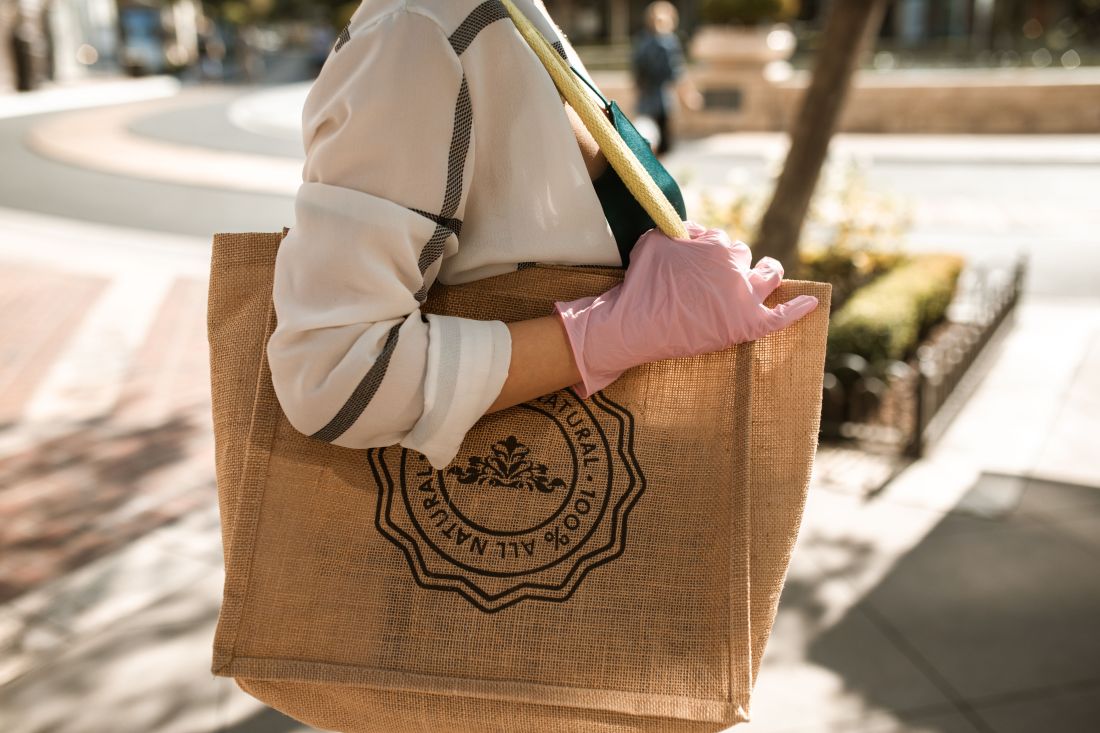
Keep a couple of cloth or jute bags near your front door or in your car. It sounds simple, but having them within reach is the difference between remembering and forgetting when you’re out shopping.

2. Steel or glass bottles instead of plastic ones
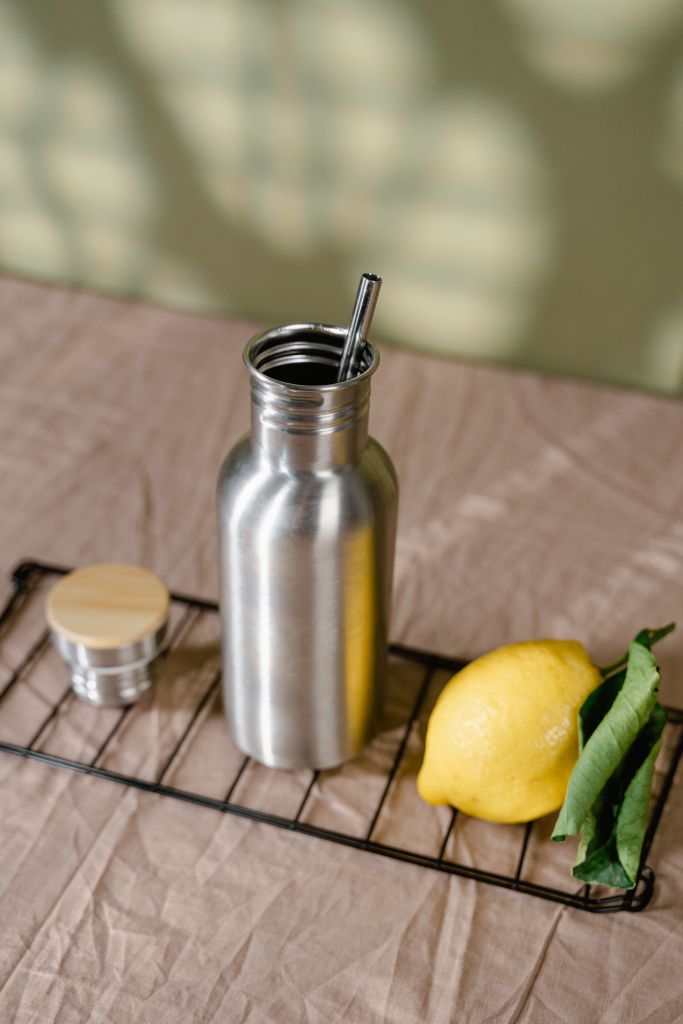
A good steel bottle lasts years and keeps water cooler for longer too. It pays for itself quickly compared to buying plastic bottles repeatedly.

3. Reusable containers instead of cling wrap
Steel or glass containers for storing leftovers not only cut down on plastic waste but also keep food fresher for longer.

4. Bar soap and shampoo bars instead of bottled versions
Bathroom plastic adds up fast — shampoo, conditioner, body wash bottles. Bar alternatives have gotten much better in quality recently and cut out a surprising amount of plastic.

5. Wooden or bamboo kitchen tools instead of plastic ones
Spatulas, spoons, chopping boards — small kitchen swaps that last long and don’t shed microplastics into your food over time.

None of these need to happen all at once. Pick one this week, get used to it, then move to the next. That’s usually how lasting habits actually stick.