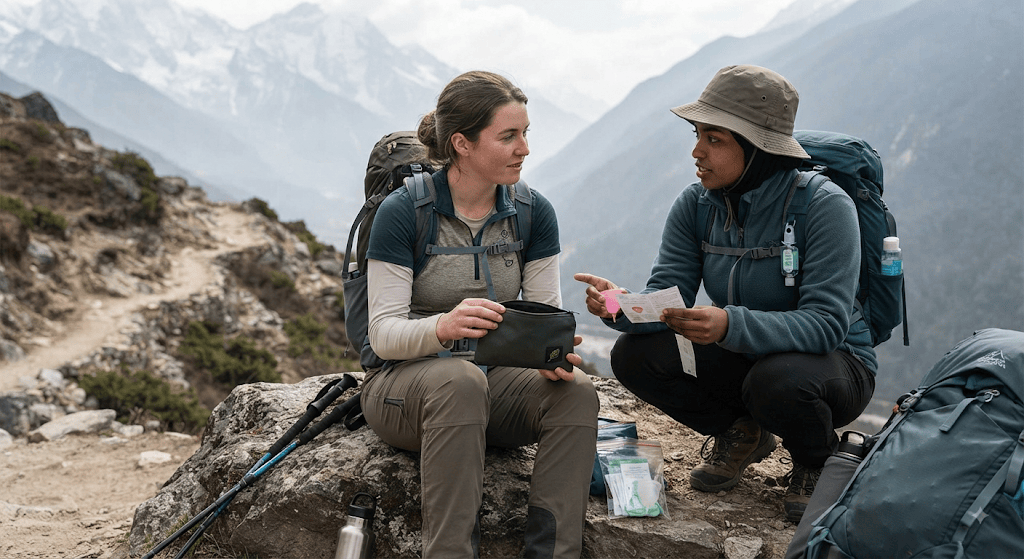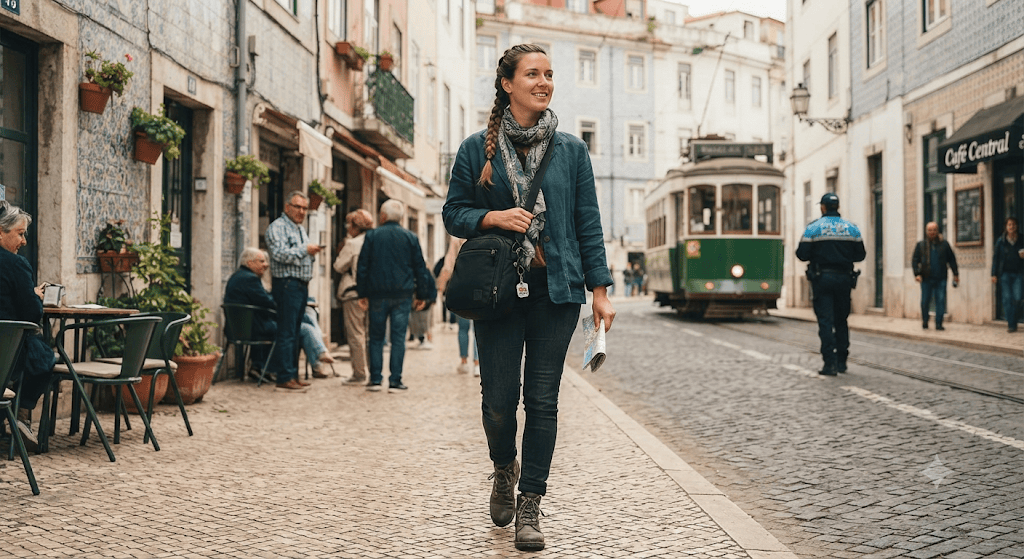
Most travel safety advice for women stays frustratingly generic — “stay alert,” “trust your gut.” Useful in theory, but not something you can actually act on while planning a trip. Here’s a more concrete, practical checklist to run through for any new city.
Before You Arrive
- Research the neighborhood, not just the city. Safety varies block by block; a general “is this city safe” search is far less useful than checking reviews for your specific accommodation’s area.
- Book your first night’s stay in advance, even if you plan to figure out the rest as you go — arriving somewhere unfamiliar at night with no confirmed stay adds unnecessary risk.
- Note the local emergency number and save it, along with your accommodation’s address, somewhere accessible offline.
On Arrival
- Arrange airport/station transport in advance through a verified app or hotel-arranged pickup rather than picking an unmarked cab on arrival, especially late at night.
- Get local SIM or data working immediately so navigation and communication don’t depend on unreliable wifi.
- Do a short daylight walk around your immediate accommodation area before exploring further, to build a basic mental map of safe, familiar streets.
Day-to-Day Habits
- Share your daily plan with someone back home or a trusted contact, even briefly — which area you’re heading to, expected return time.
- Keep a downloaded offline map as backup in case of poor connectivity.
- Carry a physical copy of key addresses (accommodation, embassy if abroad) in case your phone dies or gets lost.
Choosing How You Move Around
- Prefer verified ride apps over street hailing, and share trip details with a contact when using them in unfamiliar cities.
- Sit near the driver or in well-lit compartments on public transport late at night, rather than isolated sections.
- Trust discomfort over politeness — leaving an uncomfortable situation early, even if it feels socially awkward, is always the safer choice.
Know the Local Norms
Dress codes, appropriate behavior in religious or conservative areas, and common local scams vary significantly by city. A quick check of destination-specific advice (not generic global tips) helps you blend in and avoid unnecessary attention.
Bottom Line
Safety while traveling isn’t about constant fear — it’s about a short list of concrete habits that reduce avoidable risk. A little city-specific preparation before arrival does far more than any generic “stay safe” advice ever could.