Why More Indian Women Are Choosing to Travel After 40

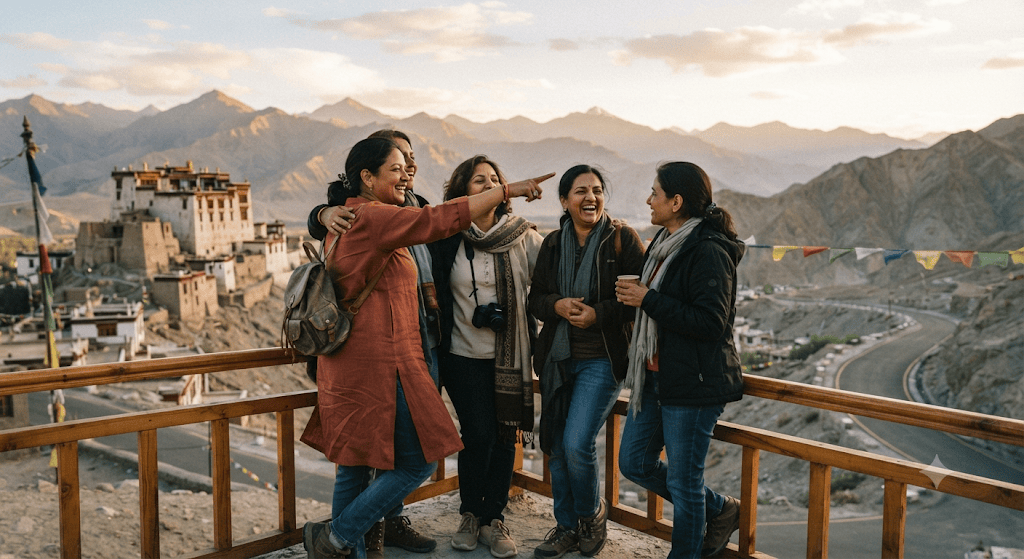
For a long time, the image of solo or adventurous travel skewed heavily toward the young — backpackers in their 20s, gap-year trips, pre-marriage freedom. A quieter but steadily growing trend tells a different story: more Indian women in their 40s, 50s, and beyond are booking trips, often independently, many for the first time in their lives.

Life Stage Finally Allows It

For many women, the years spent raising children or managing a household leave little room for personal travel plans. As children grow more independent, some women find themselves with both the time and the emotional space to prioritize a trip that was postponed for decades.

Financial Independence Plays a Real Role

A growing number of women in this age group have their own income, savings, or financial say in the household — a shift from earlier generations where travel decisions and budgets were more likely controlled by a spouse or family structure. This independence directly enables travel choices made on their own terms.

A Deliberate Reclaiming of Personal Time

Several women who start traveling later in life describe it less as a bucket-list activity and more as a deliberate reclaiming of a version of themselves that existed before marriage, children, and career responsibilities took over most of their time and identity.

Travel Communities Built for This Demographic

Recognizing this shift, several travel groups and tour operators have started designing itineraries and communities specifically for older women travelers — addressing both physical comfort needs and the specific social dynamics of a group where everyone is navigating similar life stages.

Confidence Built From Life Experience

Many women in this age group describe approaching travel with a level of confidence and calm decision-making that comes from decades of managing households, careers, or both — skills that translate surprisingly directly into handling the logistics and occasional unpredictability of travel.

Pushing Back Against Social Expectations

Choosing to travel — especially solo — later in life sometimes still meets resistance from extended family or social circles who view it as an unusual priority at that life stage. Many women navigating this describe it as a conscious, sometimes difficult decision to prioritize their own experience over external expectations.

Bottom Line

Travel after 40 isn’t a consolation prize for missed opportunities earlier in life — for many Indian women, it’s a genuinely deliberate, hard-won chapter that only became possible once time, finances, and confidence aligned. It’s reshaping what “who travels” actually looks like in India.
Women in Wildlife Photography: Patience, Risk, and the Perfect Frame

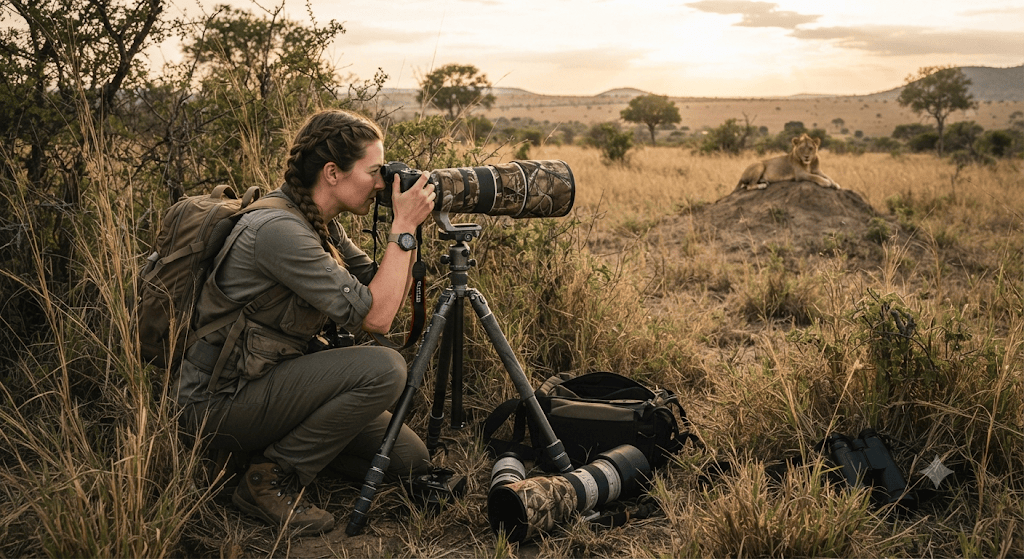
Wildlife photography has long carried an image of rugged, solitary men crouched in the bush for hours. That image is steadily being challenged by a growing number of women building genuine, respected careers in a field that demands patience, physical endurance, and a real tolerance for risk.

The Unglamorous Reality of the Work

Wildlife photography involves far more waiting than shooting — hours or even days positioned near a waterhole or den site, in extreme heat or cold, often with no guarantee that the anticipated shot will ever materialize. The romantic image of the “perfect frame” hides an enormous amount of unglamorous, physically demanding patience.

Facing Skepticism in the Field

Women wildlife photographers have often described being underestimated by local guides, forest staff, or even fellow photographers early in their careers — an assumption that physically demanding fieldwork wasn’t a natural fit for them, an attitude that’s shifted considerably but hasn’t disappeared entirely.

Building Technical Expertise From Scratch

Wildlife photography requires specific technical mastery — understanding animal behavior to predict movement, working with specialized long lenses, managing unpredictable lighting in the field — skills built over years of dedicated practice, same as any photographer regardless of gender, though often without as many visible mentors or role models to learn from directly.

The Physical and Safety Risks Involved

Working in proximity to wild animals, navigating remote terrain, and spending extended periods in isolated locations carries genuine physical risk — risk that doesn’t discriminate by gender, but that women in the field have sometimes had to actively push back against being told they shouldn’t take on.

Bringing a Different Perspective to the Work

Some women wildlife photographers have spoken about approaching their subjects with a particular sensitivity to behavior and storytelling — less focused purely on the dramatic “action shot,” and more interested in quieter, relationship-driven moments within animal groups, adding a distinct voice to a field often dominated by a narrower visual style.

Mentorship and Visibility Growing Slowly

As more women’s work gains recognition through awards, publications, and social media visibility, it’s gradually becoming easier for newer photographers to see a viable path into the field — role models that simply didn’t exist as visibly a generation ago.

Bottom Line

Wildlife photography rewards patience, technical skill, and a willingness to sit with real discomfort and risk for the sake of a single frame — qualities that have nothing to do with gender, but that women in the field have had to prove repeatedly regardless. Their growing presence is slowly reshaping who gets to be seen as an authority in this space.

The Women Documenting India’s Disappearing Traditions Through Photography

Many of India’s traditional crafts, rural rituals, and regional ways of life are fading faster than they’re being recorded — a generational shift that risks losing not just skills but the visual memory of how things were done. A growing number of women photographers are working specifically to document this before it disappears entirely.

Why This Documentation Matters

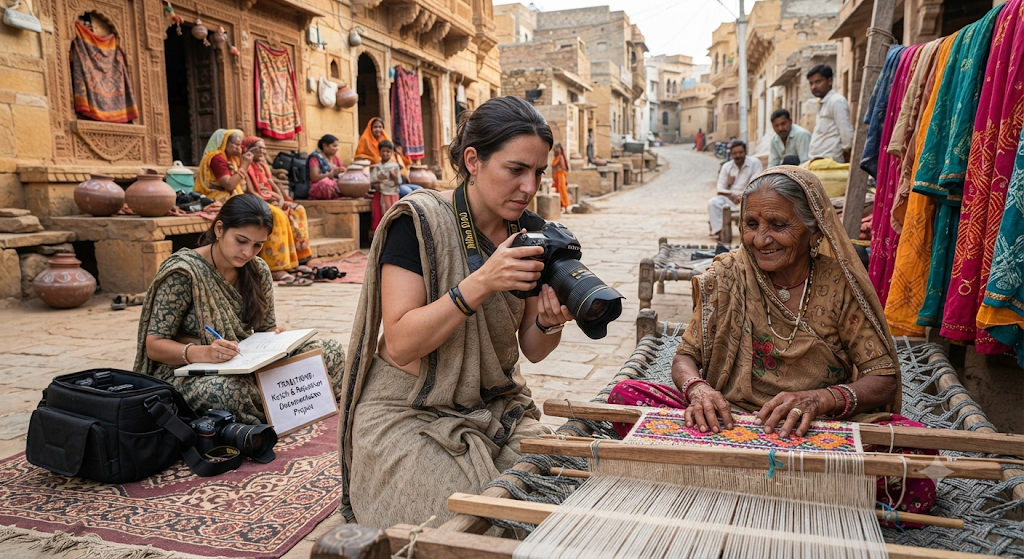
Oral traditions and hands-on crafts often exist only in the memory and practice of an aging generation, with little formal documentation. Photography captures not just the final product of a tradition — a woven textile, a ritual object — but the process, the hands, and the context that a museum piece alone can never fully convey.

Access Built on Trust, Not Just Skill

Photographing intimate community rituals, women-only ceremonies, or closed craft workshops often requires a level of trust that’s easier to build as a woman photographer, particularly in more conservative or gender-segregated community settings where a male photographer might simply never be given access.

Documenting Craft, Not Just Culture

Beyond rituals and ceremonies, many women photographers focus specifically on documenting disappearing craft techniques — a particular embroidery style, a pottery method, a weaving technique — often working closely alongside the artisans themselves, sometimes over years, rather than a single visit.

The Race Against Time

Many of these traditions are held by artisans and practitioners now in their 70s and 80s, with no younger generation continuing the practice. Photographers working in this space often describe their work with real urgency — knowing that a specific technique or ritual may simply not exist to document again in a few years’ time.

Beyond Just Preservation

This work isn’t purely archival — much of it also aims to bring visibility and, ideally, economic support back to the communities and artisans being documented, connecting traditional practices to broader audiences who might otherwise never encounter them.

The Emotional Weight of the Work

Photographers doing this work often describe it as deeply personal, not purely professional — building real relationships with the people and communities they document over repeated visits, rather than treating subjects as simply visual material to be captured and left behind.

Bottom Line

As India modernizes rapidly, a quiet but important body of documentation work is being done by women photographers determined to make sure these disappearing traditions aren’t lost without a visual record. It’s patient, relationship-driven work — and increasingly urgent.

The Rise of Women in India’s Adventure Sports Industry

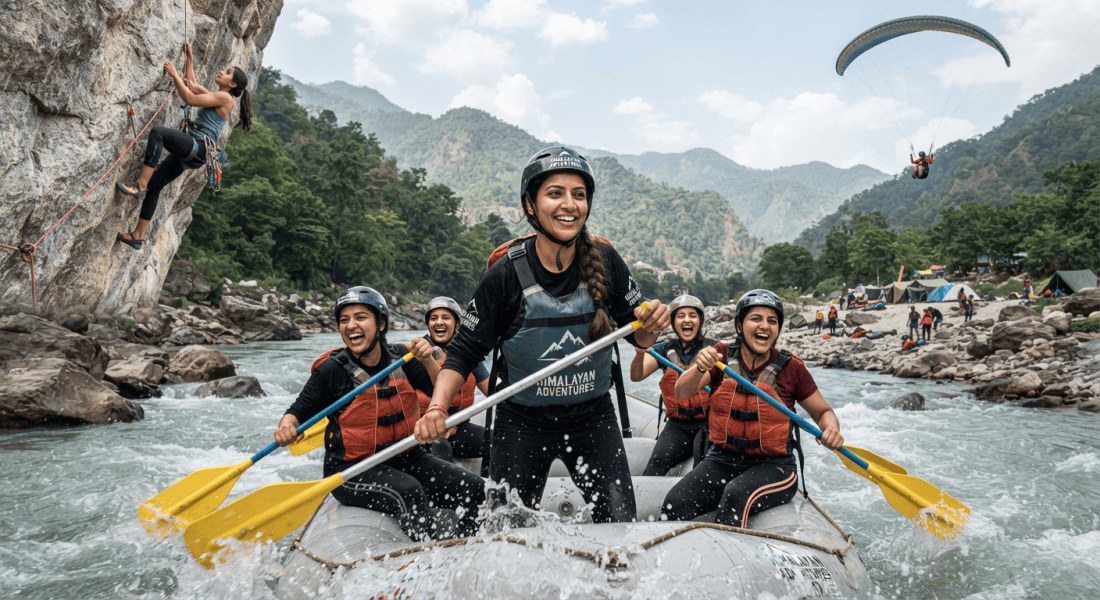
Adventure sports in India — rafting, paragliding, rock climbing, scuba diving — have long carried a male-dominated image, both among participants and among the guides and instructors running these operations. That image is steadily shifting, on both fronts.


More Women Entering as Athletes


Participation numbers in adventure sports among Indian women have grown noticeably over the past decade, driven partly by greater visibility of women athletes in the space, and partly by a broader cultural shift toward normalizing physically intense, traditionally “masculine” activities for women.


Women Building Careers as Instructors and Guides


Beyond participation, a growing number of women are becoming certified instructors and guides themselves — river rafting guides, climbing instructors, paragliding pilots — roles that were almost entirely male a generation ago, and that put women in positions of direct authority and expertise within these activities.


Running the Business Side, Too


Some adventure sports operations across trekking, rafting, and climbing circuits are now founded or co-founded by women, shifting representation not just among frontline athletes and guides but at the ownership and decision-making level of the industry itself.


What’s Driving the Shift


Increased visibility through social media has played a real role — seeing other women confidently participate in and lead adventure activities has measurably lowered the psychological barrier for newcomers considering trying it themselves. Dedicated women-focused adventure groups and training programs have also made entry points more accessible for beginners who might otherwise have hesitated.


The Barriers That Remain


Physical infrastructure — changing facilities, safety gear sized for a broader range of body types, instructor training that accounts for different needs — still lags in many operations built around a male-default assumption. Social attitudes in some regions also remain a real barrier, particularly for women pursuing adventure sports as a full-time career rather than an occasional activity.


Why Representation at Every Level Matters


A woman instructor or guide doesn’t just teach a skill — she visibly demonstrates that leadership and expertise in this space isn’t gender-restricted, which tends to have a ripple effect on how many other women consider trying, and eventually pursuing, adventure sports themselves.


Bottom Line


Adventure sports in India are becoming less of a male default and more genuinely open, both as an activity and as a career path for women. The shift isn’t complete, but it’s real, visible, and increasingly self-reinforcing as more women enter and lead in the space.

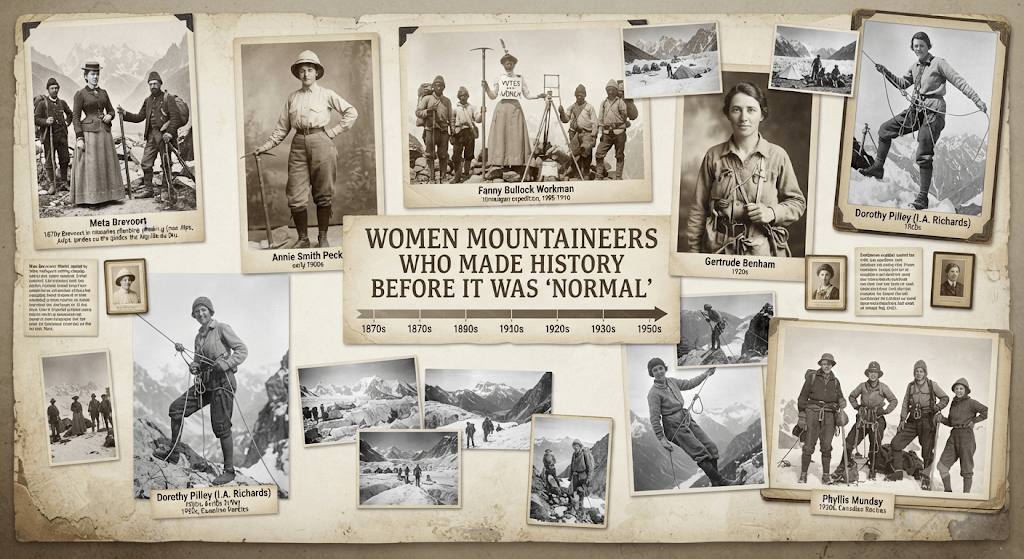
Women Mountaineers Who Made History Before It Was “Normal”

Adventure sports and mountaineering are increasingly common pursuits for Indian women today, but that normalcy was built by a small number of climbers who took on the world’s highest peaks when the field was overwhelmingly male, and the odds — logistical, social, and physical — were stacked against them.

Bachendri Pal: The First to Summit Everest

Bachendri Pal became the first Indian woman to reach the summit of Mount Everest in 1984. She began mountaineering at just 12 years old, scaling a peak over 13,000 feet high during a school picnic, and was the first girl in her village to become a graduate — before going on to a career that reshaped what was considered possible for women in Indian mountaineering. She later launched a fitness initiative for women over 50, aiming to prove that adventure has no age or gender limit.

Chandraprabha Aitwal: A Quiet Pioneer

Chandraprabha Aitwal, born in 1941 in Dharchula, Uttarakhand, is recognized as one of the pioneers of Indian women’s mountaineering, having climbed peaks including Nanda Devi, Kangchenjunga, and Trishuli. She received the Tenzing Norgay National Adventure Award for Lifetime Achievement in 2009 — recognition for decades of climbing at a time when few women in India were doing so at all.

Premlata Agrawal: Starting Late, Going Further

Premlata Agrawal became the first Indian woman to complete the Seven Summits — the highest peaks on each continent. What makes her story distinct is timing: she didn’t start mountaineering until age 36, after entering a hill-climbing competition in Jamshedpur, and went on to summit Everest in 2011 at age 48, becoming the oldest Indian woman to do so at the time.

Anshu Jamsenpa: Redefining Speed and Repetition

Anshu Jamsenpa holds the record for being the first woman to summit Everest twice in a single season, along with the fastest double ascents by a woman — an achievement that pushed the boundaries not just of whether women could summit, but how they could redefine what elite performance at altitude looked like.

Why These Stories Matter Beyond the Summit

Between 1965 and 2018, Indian women climbers made 81 attempts on Everest across 74 individual climbers — a number that grew steadily in large part because these early pioneers proved it was possible, then went on to train and mentor the generations that followed them.

Bottom Line

Every Indian woman climbing today is walking a trail — sometimes literally — first cleared by women who had no precedent to point to, no visible path showing it could be done. Their achievements weren’t just personal records; they were the foundation that made mountaineering a realistic pursuit for the women who came after them.

The Women Who Run India’s Self-Help Groups (And Why They Matter)

Long before “financial inclusion” became a policy buzzword, women across India were already building it themselves — through Self-Help Groups (SHGs), small collectives that pool savings, offer credit, and give members a level of financial independence many never had access to before.

What a Self-Help Group Actually Is

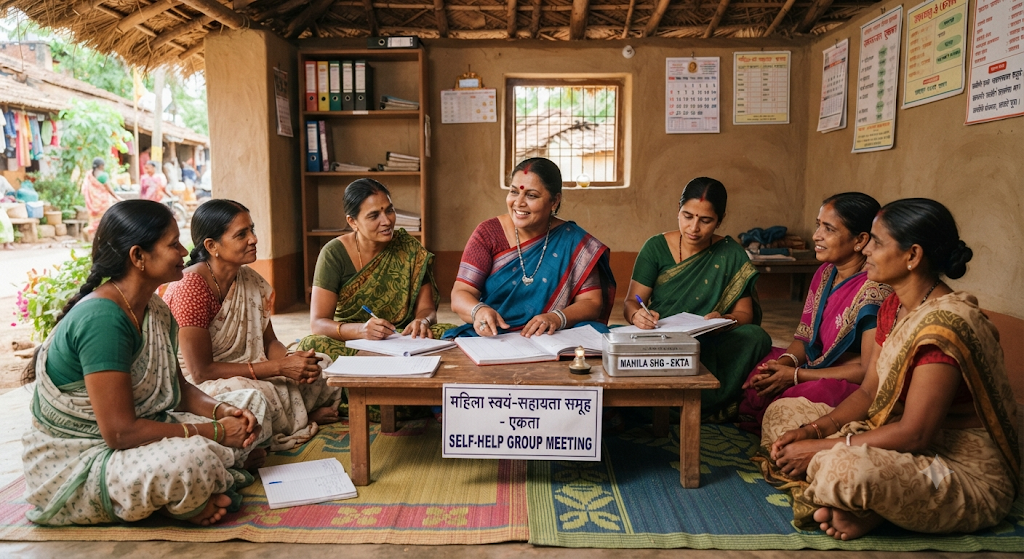
An SHG is typically a small group of 10-20 women who regularly pool small savings into a shared fund, from which members can borrow for personal or business needs — often without the collateral requirements or paperwork barriers that keep many women out of formal banking systems.

Why Banks Weren’t Working for These Women

Many women, especially in rural areas, historically had no independent credit history, no assets in their own name, and no formal employment record — all things traditional banks require. SHGs sidestepped this entirely by building trust and accountability within the group itself, rather than requiring external collateral.

Beyond Just Savings and Loans

Many SHGs have expanded well past simple savings circles into small collective businesses — food processing units, tailoring cooperatives, handicraft production — giving members not just credit access but an actual income stream, run and controlled by the group itself.

The Confidence Shift

For many women, especially those who had never handled money independently before, participating in an SHG’s financial decisions — voting on loans, managing shared funds, negotiating with buyers — builds a kind of confidence and decision-making experience that extends well beyond the group’s finances.

Government and Institutional Backing

Various national and state-level programs have worked to formalize and scale the SHG model, linking groups to bank credit at better terms and providing training — recognition that this grassroots model, largely built and run by women themselves, was already working better than many top-down alternatives.

The Ripple Effect on Families and Villages

Money earned or saved through SHGs often goes directly toward things like children’s school fees, healthcare, or home improvements — decisions frequently made by the women themselves, in households where financial decisions had previously been made almost entirely by men.

Bottom Line

Self-help groups are one of the clearest examples of a women-led model succeeding not because of external funding alone, but because of trust, accountability, and shared decision-making built entirely within the group. It’s a quiet but genuinely significant force behind rural women’s growing financial independence across India.

Women Rangers and Forest Guards Protecting India’s Wildlife

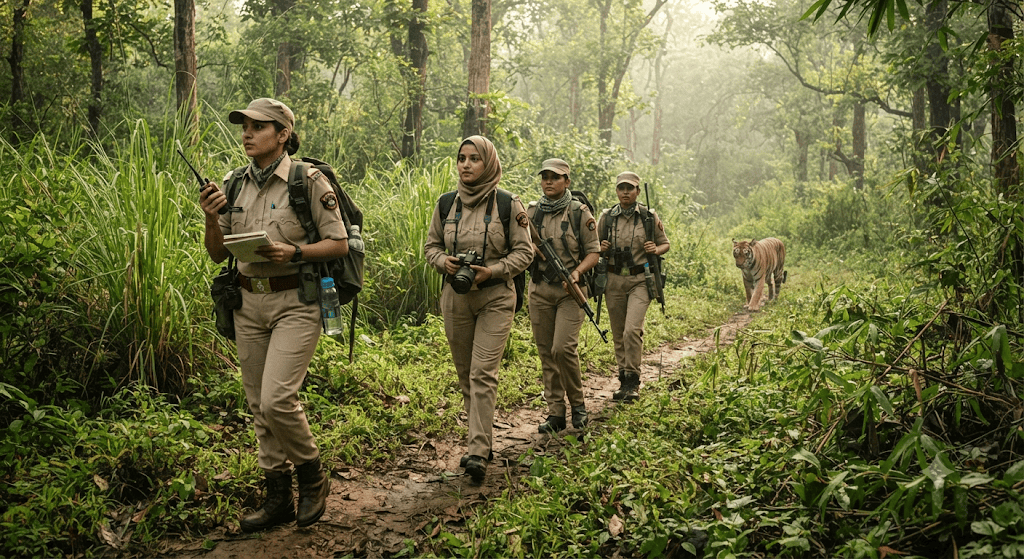
Forest protection has long been seen as a man’s domain in India — long patrols, physical risk, remote postings. But across the country’s reserves, thousands of women are now doing exactly this work, often in some of India’s most challenging terrain.

Gir National Park: The Lionesses of Gujarat

<cite index=”1-1″>Gujarat’s Gir Forest appointed its first batch of 51 women forest guards in 2007</cite>. These women patrol vast stretches of forest protecting the world’s only wild population of Asiatic lions, regularly handling wildlife rescues — from injured lion cubs to venomous snakes — as part of routine duty rather than exceptional heroics.

Kaziranga’s “Van Durgas,” Assam

<cite index=”3-1″>At Kaziranga National Park, female forest guards known locally as “Van Durgas” come from rural communities and work to protect wildlife and habitat across the park’s roughly 430 square kilometers</cite>. <cite index=”4-1″>The park now includes around 40 female rangers across roles like Range Officers, Forest Guards, and Foresters</cite>, alongside a dedicated women’s unit within the Special Rhino Protection Force guarding the endangered greater one-horned rhinoceros from poaching.

Dudhwa Tiger Reserve, Uttar Pradesh

<cite index=”6-1″>Dudhwa Tiger Reserve has recruited young men and women as forest watchers</cite>, with officials describing it as a pioneering effort to bring women into forest protection roles that had rarely included them before.

Gurukula Botanical Sanctuary, Western Ghats

<cite index=”7-1″>In Kerala’s Western Ghats, an all-female team of 27 women serves as guardians of the region’s rare and threatened plant species</cite>, working to protect biodiversity in one of the world’s most ecologically significant and endangered mountain ranges.

Why This Shift Matters

Beyond conservation outcomes, women forest guards often bring specific advantages — better rapport with village women during community conflict resolution, and a visible signal to younger women in these regions that this kind of work is possible for them too. Several of the women in these programs have spoken about how their entry inspired others locally to apply.

The Work Isn’t Symbolic

These aren’t ceremonial postings. Women forest guards conduct real patrols, handle wildlife emergencies, and in some cases carry weapons as part of anti-poaching units — work that comes with genuine physical risk and long stretches away from family, often in remote, difficult terrain.

Bottom Line

India’s forests are being protected, in real and growing numbers, by women who chose this work deliberately — not as an exception, but as a profession. Their presence is reshaping who gets to be seen as a protector of India’s wildlife, one patrol at a time.

The Rise of Women-Led Farming Collectives in Rural India

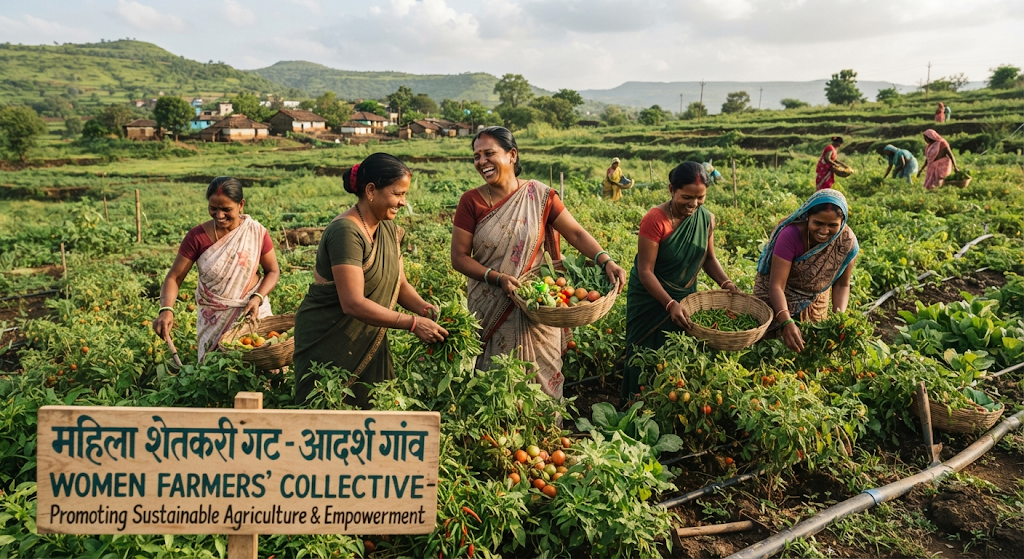
Women have always done a large share of farm labor in rural India — sowing, weeding, harvesting — without necessarily owning the land or having a say in how it’s managed. Women-led farming collectives are steadily changing that equation, giving women both economic control and collective bargaining power.

Why Collectives Formed in the First Place

Individual women farmers, especially those without land titles in their own name, historically had little access to credit, government schemes, or fair pricing for their produce. Pooling together into collectives gave them the scale and negotiating power that no single small farmer could achieve alone.

What These Collectives Actually Do

Beyond farming itself, many collectives handle shared resources — bulk seed purchasing, shared equipment, group access to credit — and collectively negotiate prices with buyers, cutting out the middlemen who traditionally captured most of the margin from individual small-scale farmers.

Shifting Who Owns the Decision

In many traditional setups, women did the labor while land and decision-making stayed with men in the household. Collectives built specifically around women members shift that dynamic — decisions about what to grow, how to sell, and how to reinvest profits are made by the women actually doing the work.

Government and NGO Support

Various state-level schemes and NGO partnerships have specifically targeted support toward women’s farming groups — training in sustainable practices, access to microfinance, and market linkage programs designed to help collectives sell directly rather than through multiple layers of traders.

The Ripple Effect Beyond Farming

Income earned through these collectives often goes directly toward things individual women prioritize — children’s education, household nutrition, healthcare — creating impact that extends well past the immediate farming income itself.

Challenges That Remain

Land ownership laws, deep-rooted social norms about who “should” make agricultural decisions, and uneven access to training or credit across regions mean collectives don’t fix the underlying structural issues everywhere equally — progress remains uneven and hard-won in many parts of the country.

Bottom Line

Women-led farming collectives aren’t a symbolic gesture — they represent a genuine shift in who controls agricultural income and decisions in rural India. Slow and regionally uneven as the progress is, it’s steadily reshaping what agricultural leadership looks like at the village level.

The Women Behind India’s Handloom Revival

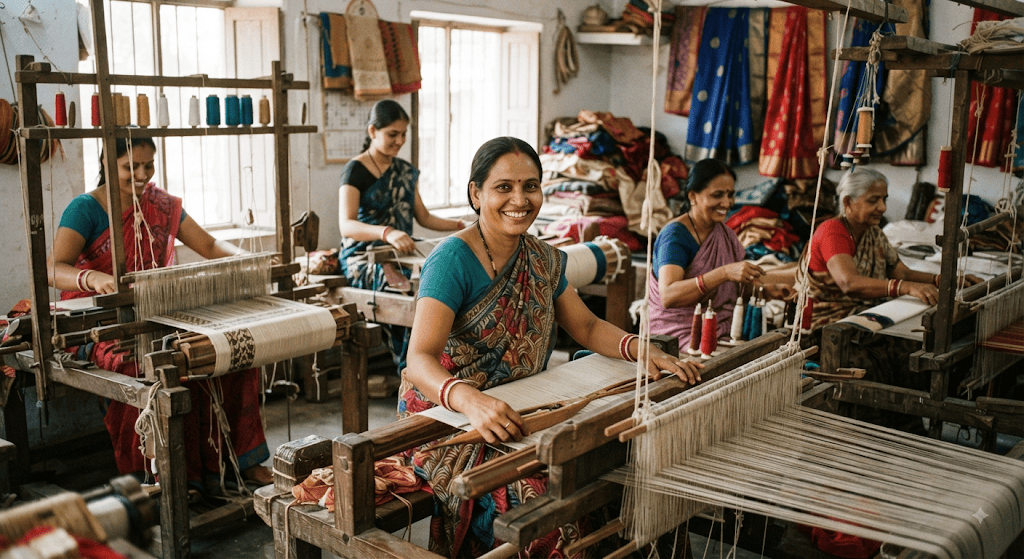
Handloom weaving is one of India’s oldest crafts, and today, much of its quiet revival is being carried forward by women — as weavers, cooperative leaders, and entrepreneurs bringing traditional textiles back into modern relevance.

A Craft Historically Carried by Women

In many weaving communities, spinning, dyeing, and finishing work has traditionally fallen to women, even when the loom itself was operated by men. Today, that role is expanding — more women are running looms directly, not just supporting the process around them.

Cooperatives Changing the Economics

Handloom work has long struggled with unfair pricing, as individual weavers often had little bargaining power against middlemen. Women-led cooperatives are changing that by pooling production, negotiating collectively, and connecting weavers directly to buyers — cutting out layers that used to eat into their earnings.

Reviving Techniques That Were Nearly Lost

Several regional weaving techniques had dwindled to a handful of practitioners, mostly older women holding onto skills with no one to pass them to. Deliberate revival efforts — training programs, design collaborations, documentation projects — are helping some of these near-extinct techniques find a new generation of weavers.

Bringing Handloom Into Contemporary Design

Rather than treating handloom as purely traditional, many women-led initiatives are pairing it with contemporary silhouettes and designs, making the fabric appealing to younger, urban buyers who might otherwise never consider a handwoven piece.

The Economic Stakes

For many rural women, handloom work isn’t a hobby or a cultural footnote — it’s a primary source of income, sometimes the only one available locally. A stronger handloom market directly translates into greater financial independence for the women producing it.

Bottom Line

India’s handloom revival isn’t just a design trend — it’s substantially a women’s economic movement, powered by skill passed down through generations and a growing market willing to pay for what that skill actually represents.

Women-Owned Cafes and Homestays Worth Supporting on Your Next Trip

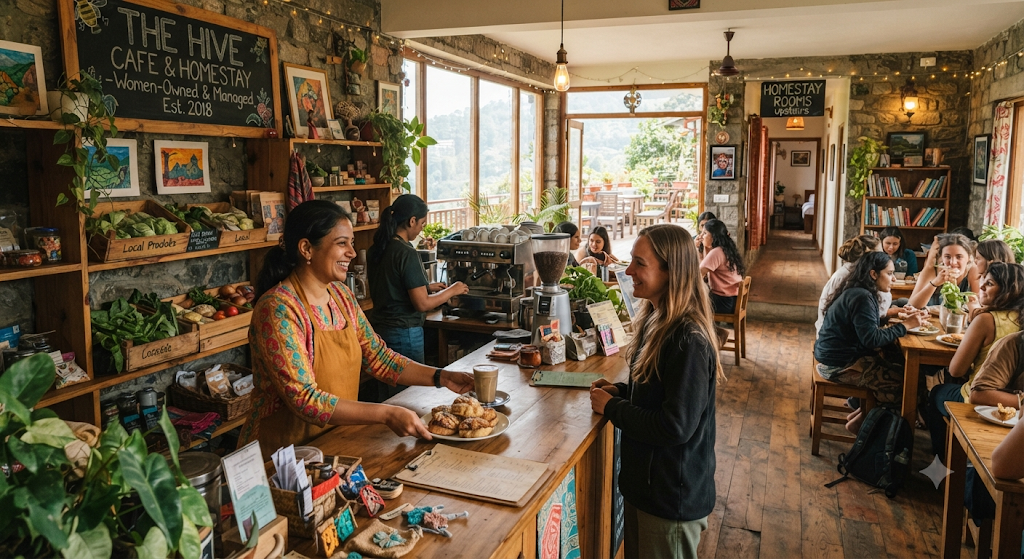
Every trip involves dozens of small spending decisions — where to eat, where to stay, whose business gets your money. Most of these choices are made on convenience alone. But a growing number of travelers are starting to ask one more question: who actually owns this place? Seeking out women-owned cafes and homestays is a small shift that adds up to real support.

Why It Matters

Women entrepreneurs, especially in hospitality and food service, often face harder paths to funding, land ownership, and business credit than their male counterparts. A homestay or café run by a woman — particularly in smaller towns or rural areas — frequently represents not just a business, but a hard-won foothold in local economic life. Choosing to spend there is a direct, tangible way to back that effort.

What These Places Often Offer

Women-run homestays in particular tend to lean into hospitality that feels personal rather than transactional — home-cooked meals, local recipes passed down through family, and a level of care that larger commercial stays rarely replicate. Cafés run by women often double as community spaces, sometimes hiring other local women and reinvesting in the neighborhood around them.

How to Find Them While Traveling

  • Ask locally, not just online. Tourism boards and local women’s self-help groups often know of homestays that never make it onto big booking platforms.
  • Look for cooperative and self-help group listings. Many regions have women-run hospitality collectives, especially in rural and hill areas, that list multiple homestays together.
  • Check reviews for ownership mentions. Guests often note “run by [name] and her family” — a good sign of a woman-led stay.
  • Support cafés that hire visibly. A café that trains and employs local women, not just serves good coffee, extends the impact further.

Beyond the Trip

Supporting women-owned spaces while traveling isn’t just a nice gesture — it directly channels tourist spending into hands that often see the least of it. It’s a small, deliberate choice that turns an ordinary trip into something with a slightly wider impact.