Rural Women and the Fight Against Single-Use Plastic in Local Markets

Why Local Markets Are a Plastic Hotspot

Weekly haats and local vegetable markets are where single-use plastic accumulates fastest — thin bags handed out per item, with no formal waste collection system to catch what’s left behind. In many villages, that plastic ends up burned, buried or washed into fields and water bodies.

Self-Help Groups Stepping In

Across several states, women’s self-help groups have taken on dual roles: producing cloth and jute bag alternatives for sale, and actively campaigning at local markets to get vendors and shoppers to switch away from plastic. The same groups that make biodegradable products for menstrual health or craft cooperatives are often behind these market-level plastic bans too — the skills and the SHG structure carry over.

What the Shift Actually Looks Like

  • Vendors stocking cloth or paper bags instead of plastic, often produced locally by SHG members
  • Leaf-plate and areca-leaf disposable ware replacing plastic plates at local food stalls
  • Market committees, sometimes nudged by SHGs, setting informal “no plastic bag” rules on market day
  • Awareness drives timed around local festivals and weekly market days, when plastic use spikes

The Economic Angle

This isn’t only environmental work — it’s income. Producing and selling cloth bags gives SHG members a product with steady local demand, since markets need bags every single week. That recurring demand is part of why these initiatives tend to stick, compared with one-off awareness campaigns.

What Still Gets in the Way

Cheap plastic remains easier and often slightly cheaper for vendors to access than cloth alternatives, and enforcement of any informal “ban” depends entirely on community buy-in rather than law.

Bottom Line

The fight against plastic in rural India isn’t happening through policy alone — it’s happening market day by market day, led by women’s groups who are both making the alternative and selling the idea.
How Fast Fashion Returns Policies Quietly Hurt the Environment

The Hidden Cost of “Just Return It”

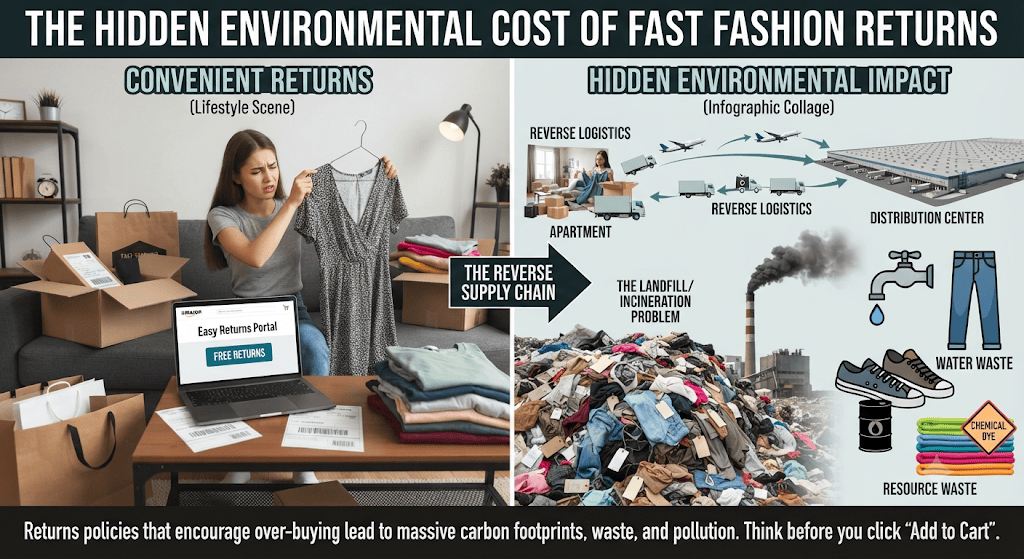
Easy return policies encourage overbuying — ordering multiple sizes or styles with the plan to send back what doesn’t work. It feels low-risk for the shopper, but each return triggers a second delivery journey, doubling transportation emissions on top of the original purchase.

Fashion Has the Worst Returns Problem

The fashion industry records the highest online return rates of any retail category, with customers sending back up to 40% of garments ordered — far above the roughly 30% average return rate across online shopping generally. In the US alone, fashion returns have been estimated to generate carbon emissions equivalent to about three million cars on the road for a year.

Where Returned Clothes Actually Go

Because reprocessing, restocking and reselling a returned item often costs more than the item is worth — especially for cheaply made fast fashion — a significant share of returns are sent straight to landfill instead of resale. Due to the synthetic fibres common in fast fashion, items that do end up there can take up to 100 years to decompose, releasing greenhouse gases and leaching chemicals into soil as they break down.

It’s Not Just About Landfill

Return logistics add packaging waste too — much of it in plastic wraps and mixed materials that are difficult to recycle. And the carbon cost of the return leg alone can add significantly on top of the emissions from the original delivery.

What Shoppers Can Actually Do

  1. Check size charts and read reviews carefully before ordering, instead of over-ordering “to be safe”
  2. Buy fewer, better-made pieces that fit the first time
  3. Choose brands and retailers transparent about what happens to returns
  4. Resist “bracketing” — ordering several sizes/colours intending to return most

Bottom Line

A free return isn’t actually free — it’s a second trip with its own emissions, and often, a one-way ticket to landfill. The most sustainable return is the one you never have to make.

E-Waste at Home: What Happens to Your Old Phones and Chargers

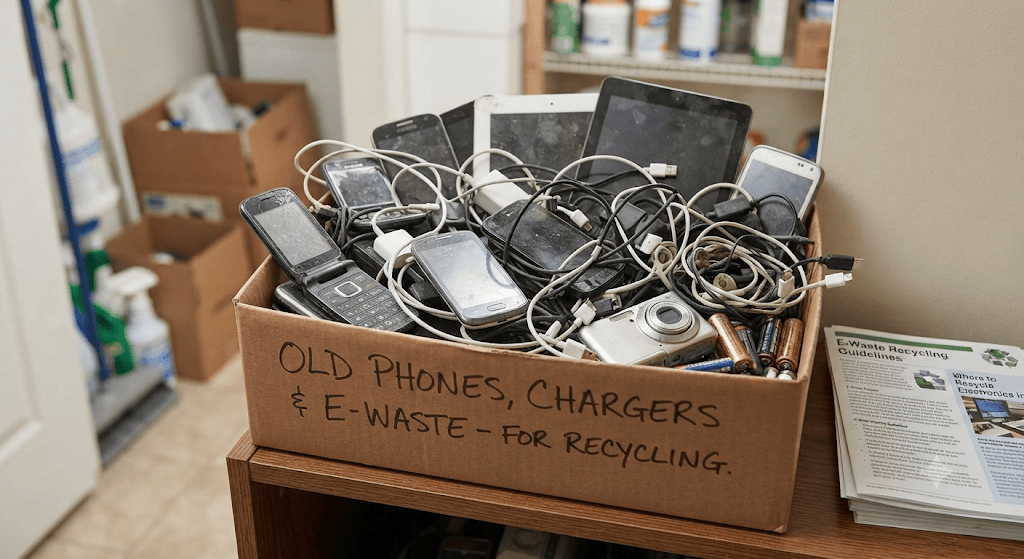
Almost every home has one — a drawer full of old phones, tangled chargers, and cables that no longer match any current device. It feels harmless sitting there, but e-waste is one of the fastest-growing and most under-addressed categories of household waste.

What Happens If It’s Thrown Away Normally

Electronics tossed into regular household trash typically end up in landfills, where components like batteries can leak heavy metals and toxic materials into soil and groundwater over time — a slow but genuinely damaging process that unfolds over years, largely unseen.

Why E-Waste Is Different From Other Trash

Unlike organic or paper waste, electronics don’t break down naturally, and many contain materials — lead, mercury, cadmium — that are hazardous when improperly disposed of, but also genuinely valuable and recoverable when processed correctly, including gold, copper, and other metals used in circuit boards.

The “Drawer Problem”

A huge share of e-waste never even reaches a landfill or a recycler — it just sits unused in homes indefinitely, which isn’t actively harmful, but also means genuinely reusable materials remain locked away instead of being responsibly recycled or the device being reused by someone else.

What Proper E-Waste Recycling Actually Does

Certified e-waste recyclers dismantle devices to separate hazardous components (which are safely processed) from valuable, reusable materials (which are extracted and reintroduced into manufacturing) — a genuinely more resource-efficient process than mining new raw materials from scratch.

Where to Actually Take It

  • Manufacturer take-back programs, which several phone and electronics brands now offer for old devices
  • Certified e-waste collection centers, increasingly available in most Indian cities
  • Retailer exchange or recycling programs, sometimes bundled with a discount on a new purchase
  • Local municipal e-waste drives, held periodically in many urban areas

Before You Recycle: Data Safety

Old phones and laptops often still contain personal data. A factory reset, and ideally removing SIM and memory cards, protects your information before handing a device off for recycling or resale.

Consider Reuse Before Recycling

A working but outdated phone, laptop, or charger may still have real value to someone else — donating functional electronics, or reselling them through a resale platform, extends their usable life before recycling becomes the more appropriate final step.

Bottom Line

That drawer of old electronics isn’t neutral — it’s either a missed recycling opportunity or, if eventually thrown out carelessly, a genuine environmental hazard. A single trip to a proper e-waste collection point turns years of accumulated clutter into responsibly processed material instead.

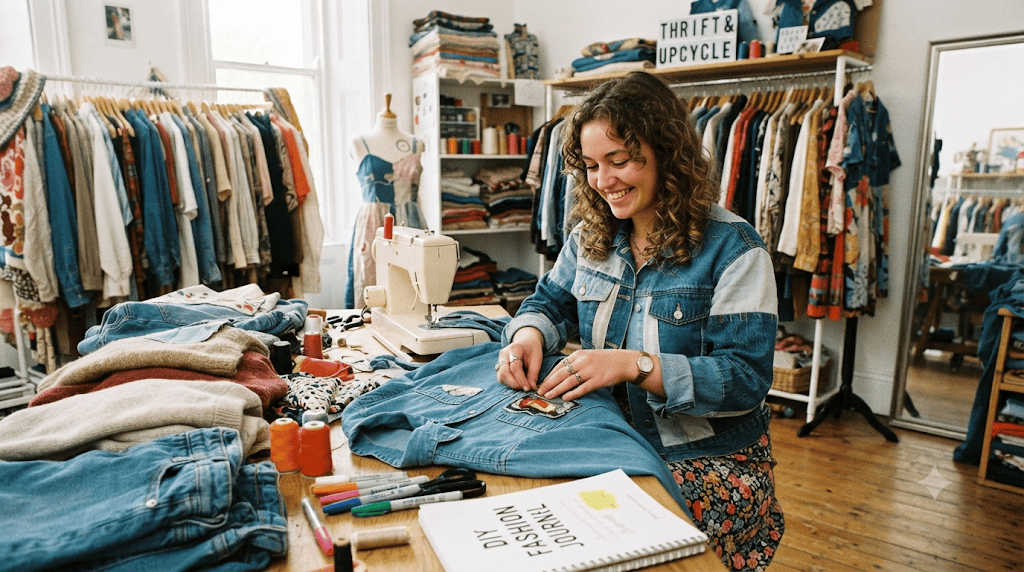
Thrifting and Upcycling: A Beginner’s Guide to Second-Hand Fashion

Thrifting has a learning curve that puts a lot of first-timers off after one overwhelming visit. But once you know what to look for, second-hand shopping becomes less of a gamble and more of a genuinely useful skill — for your wardrobe and for the environment.

Why Thrifting Is Worth Learning

Buying second-hand extends the life of garments that would otherwise be discarded, reducing the demand that drives fast fashion’s resource-heavy production cycle. It’s also often significantly cheaper than buying new, especially for well-made pieces that have simply gone out of a previous owner’s rotation.

Where to Start Looking

Local thrift and second-hand stores, online resale marketplaces, and even neighborhood clothing exchange groups are all reasonable starting points. Online platforms are often easier for beginners since you can search by size and category, rather than digging through a physical rack blind.

What to Check Before Buying

  • Fabric quality — natural fibers tend to hold up better over time than cheap synthetics, even second-hand
  • Seams and stitching — check for loose threads or stress points that suggest the garment won’t last much longer
  • Fit potential — a slightly oversized piece is often more alterable than one that’s too tight
  • Stains and odors — some are treatable, others aren’t; a quick honest check saves disappointment later

Don’t Expect to Find Everything at Once

Thrifting isn’t like shopping with a specific item in mind — inventory is unpredictable. Going in with a loose idea (“a denim jacket, something in blue”) rather than an exact requirement makes the process far less frustrating for beginners.

Basic Upcycling Ideas to Try

  • Cropping or hemming an oversized piece to fit better
  • Dyeing faded garments to refresh the color
  • Patchwork repairs on small tears, turned into a visible design choice rather than hidden
  • Repurposing fabric from unwearable garments into bags, cushion covers, or other household items

Building the Habit Gradually

Thrifting rewards patience more than urgency — treating it as an occasional, low-pressure activity rather than a one-time shopping trip with a strict list tends to produce better finds and a more enjoyable experience overall.

Bottom Line

Thrifting and upcycling aren’t about giving up on personal style — they’re about building it more sustainably, one intentional find at a time. The learning curve flattens quickly once you know what to check for and stop expecting every trip to be a perfect match.

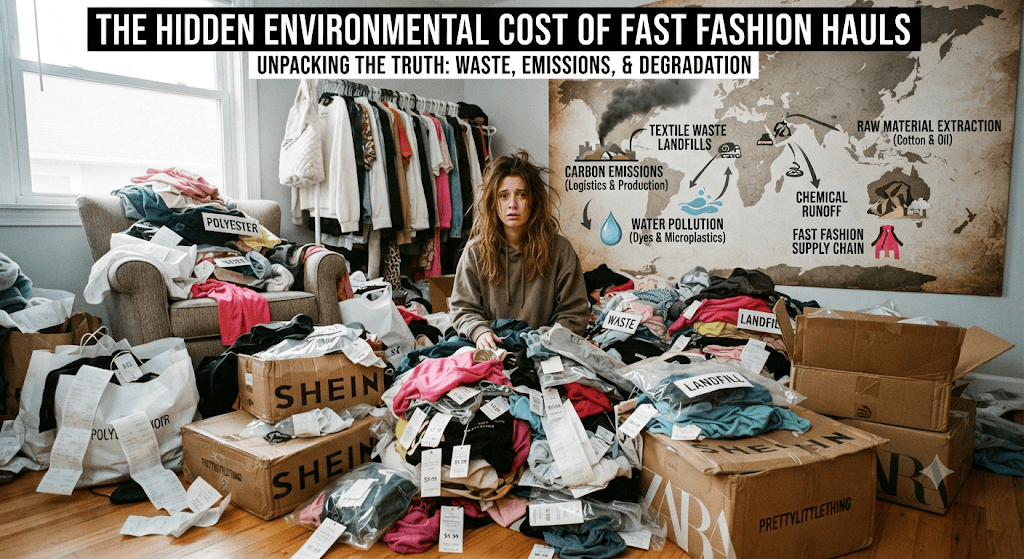
The Hidden Environmental Cost of Fast Fashion Hauls

A ₹300 top that’s trendy for one season and forgotten the next feels harmless in isolation. Multiplied across millions of similar purchases, though, fast fashion carries an environmental cost that rarely shows up on the price tag.

The Resource Cost Before It Even Reaches You

Producing a single garment involves significant water and energy use — particularly for cotton cultivation and dyeing processes — well before it ever reaches a store shelf. Fast fashion’s business model depends on producing at massive volume and speed, multiplying this resource cost across an enormous number of garments made to be worn only briefly.

The Waste Problem After You’re Done

Garments designed for short-term trend cycles are often made from cheaper, lower-quality materials that don’t hold up to repeated wear or resale. Much of this clothing ends up discarded within a year or two, contributing to a fast-growing volume of textile waste, most of which isn’t recycled and ends up in landfills.

Synthetic Fabrics and Microplastics

A large share of fast fashion is made from synthetic fibers like polyester, which shed microplastic fibers with every wash — fibers that eventually make their way into waterways and, ultimately, the food chain. This is a slower, less visible cost, but a real one.

The “Haul Culture” Problem

Social media content built around hauls and constant new outfits normalizes a pace of consumption that has little to do with actual need. It reframes buying and quickly discarding clothing as entertainment, which quietly increases demand for the fastest, cheapest production cycles.

What a Lighter Approach Looks Like

  • Buy fewer, better pieces that are likely to be worn repeatedly, not just once for content
  • Check fabric composition and lean toward natural fibers where possible, which tend to last longer and shed less
  • Repair before replacing — a small tear or loose button doesn’t always mean a garment is done
  • Resell or donate rather than discard, extending a garment’s life beyond your own closet

Bottom Line

Fast fashion’s low price hides a cost that shows up elsewhere — in water use, textile waste, and microplastic pollution that isn’t part of the transaction at checkout. None of this means giving up new clothes entirely; it just means being a little more deliberate about how often, and how much, gets bought and discarded.

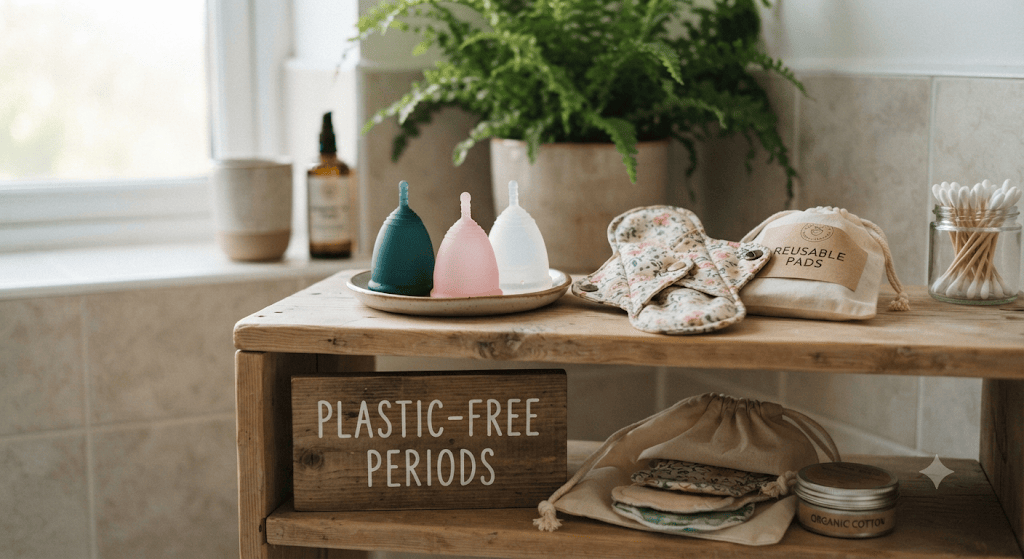
Plastic-Free Periods: Are Reusable Products Actually Worth It?

Reusable menstrual products get recommended constantly for their environmental benefits, but the practical side of actually switching — comfort, cost, hygiene, learning curve — gets far less honest discussion. Here’s a grounded look at what the switch actually involves.

The Waste Problem With Disposables

A single person using disposable pads or tampons generates a significant amount of non-biodegradable waste over their menstruating years — most of it made from plastic that will outlast the person who used it by centuries. This is the core environmental argument for reusables, and it’s a real one.

Menstrual Cups: The Learning Curve Is Real

Menstrual cups have the steepest initial learning curve of any reusable option — folding, insertion, and removal take a few cycles to get comfortable with. Most people who stick with it past the first two or three cycles report it becoming easy, but the early frustration is genuine and shouldn’t be dismissed.

Reusable Cloth Pads: The Gentler Switch

Cloth pads function almost identically to disposable pads, just washed and reused, making them a much easier first step into reusable products without requiring any new technique to learn. The tradeoff is needing proper washing facilities and a bit more laundry.

The Cost Math Over Time

Reusable products cost significantly more upfront — a good menstrual cup or a set of cloth pads can cost as much as several months of disposables. But since they last years, not months, the long-term cost is substantially lower, often paying for itself within a year or so of consistent use.

Hygiene Considerations

Reusable products require proper cleaning — boiling cups between cycles, thoroughly washing cloth pads — which takes more active effort than simply disposing of a used product. For people without reliable private washing access, this is a genuine practical barrier, not a minor inconvenience.

They’re Not All-or-Nothing

Many people who switch don’t go 100% reusable — using cups or cloth pads at home and disposables while traveling or in situations with limited hygiene facilities is a common, practical middle ground rather than an everything-or-nothing choice.

Bottom Line

Reusable menstrual products genuinely reduce waste and save money over time, but they come with real upfront cost, a learning curve, and hygiene logistics that aren’t right for every situation. They’re worth trying, but not something to feel obligated to switch to completely — a partial switch still meaningfully reduces waste compared to full reliance on disposables.

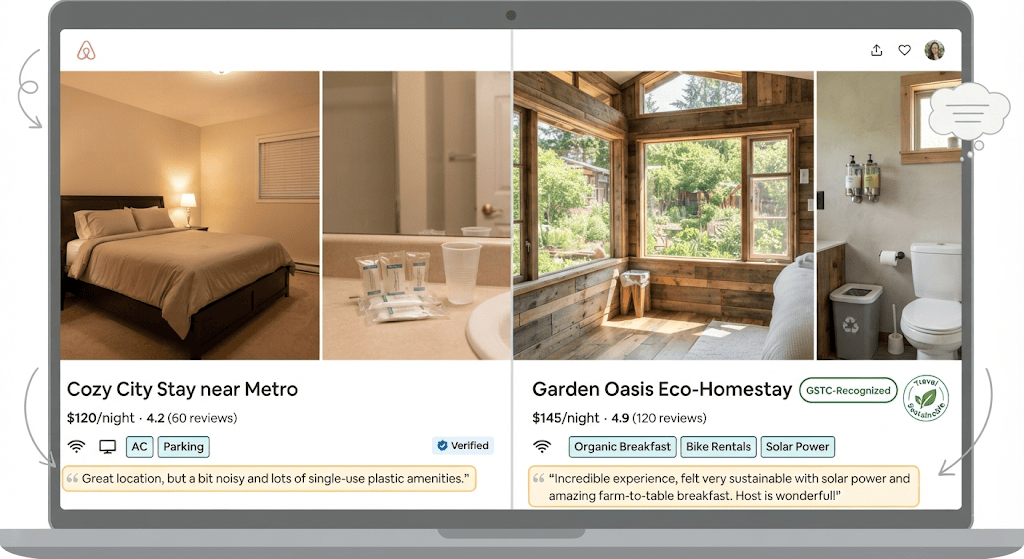
How to Choose Eco-Friendly Homestays While Booking Online

Booking platforms are full of listings tagged “eco-friendly” or “sustainable” — but the label alone doesn’t mean much without digging a little deeper. Here’s how to actually evaluate a homestay before booking, instead of taking the tag at face value.

Look Past the Tag, Into the Description

A genuinely sustainable homestay usually describes specific practices — solar power, rainwater harvesting, composting, local sourcing — rather than just the word “eco-friendly” sitting alone in the listing title. Vague labeling with no specifics is often a sign the tag is more marketing than practice.

Check for Local Ownership and Employment

Homestays run by local families, employing local staff, tend to have a smaller footprint and a more direct positive impact than larger properties built and staffed from outside the region. Listings that mention this directly are usually more transparent about their model.

Read Reviews for Specifics, Not Just Ratings

A high star rating alone doesn’t confirm sustainability. Reviews that mention things like “loved the solar-heated water” or “they compost all kitchen waste” are far more reliable indicators than a generic five-star rating with no detail.

Ask Before You Book

Most hosts are happy to answer direct questions about water sourcing, waste management, or energy use if asked. A quick message before booking — “how do you manage waste and water here?” — often reveals more than the listing itself.

Watch for Over-Construction

A homestay advertised as eco-friendly but built with heavy concrete construction, large manicured lawns, or excessive amenities is often working against the very label it’s using. Simpler, more traditional construction methods usually align better with genuine sustainability.

Prioritize Small Over Large

Smaller, family-run homestays generally have a lighter environmental footprint than larger resort-style “eco” properties, simply due to scale — fewer rooms, less infrastructure, less resource consumption per guest.

Bottom Line

“Eco-friendly” is an easy word to add to a listing and a harder one to actually practice. A little extra reading — and a direct question or two before booking — goes a long way toward finding a stay that’s genuinely living up to the label, not just wearing it.

Zero-Waste Travel: Packing Light Without the Plastic

Travel has a strange relationship with plastic — the more we try to pack light and stay convenient, the more disposable items tend to sneak in. A zero-waste approach doesn’t mean packing more; it usually means packing smarter.

Rethink Toiletries First

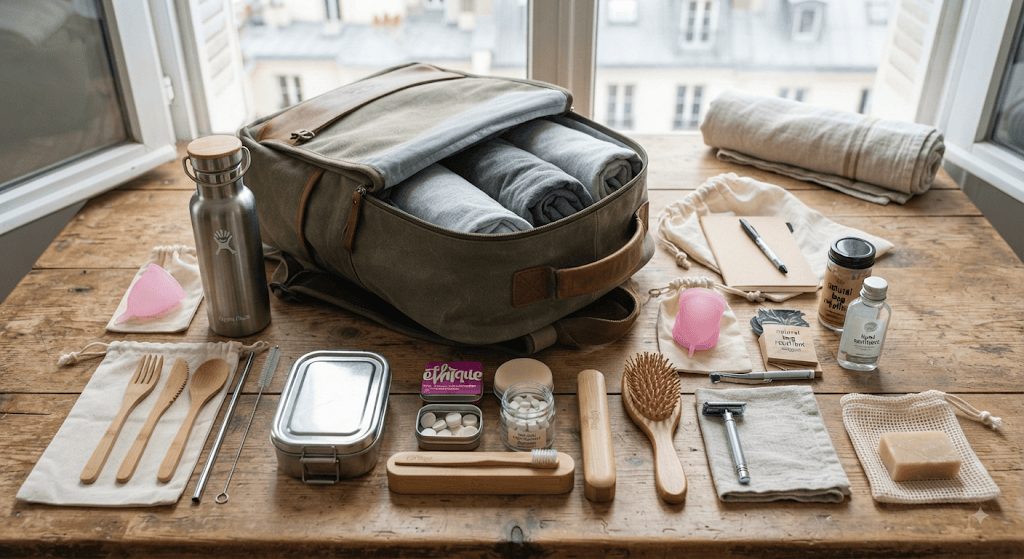
Mini plastic bottles are the biggest repeat offender in most travel bags. Solid shampoo and soap bars, refillable silicone bottles, and a reusable toothbrush cut out an entire category of single-use plastic without adding any real bulk.

Carry Your Own Water Solution

A reusable bottle paired with a portable purification option (like a filter bottle or purifying tablets) removes the need to keep buying plastic water bottles at every stop — one of the most common sources of travel waste, especially on longer trips.

Pack Reusable Bags, Plural

One tote isn’t enough. A small stash of reusable bags — for laundry, shoes, snacks, or shopping — replaces the plastic bags that hotels, markets, and transport hubs hand out by default.

Bring Your Own Cutlery and Container

A compact cutlery set and a foldable container handle both street food and leftovers without relying on plastic forks or takeaway boxes. It sounds minor, but over a multi-day trip, it adds up to a noticeable reduction in throwaway plastic.

Choose Snacks Without the Wrapping

Buying local, unpackaged snacks — fruit, roasted nuts, bakery items — instead of individually wrapped packets cuts waste and often means fresher, more interesting food along the way.

Say No Before You’re Offered

Many single-use items — extra bags, straws, disposable amenities — are handed out by default, not because they’re needed. A simple “no, thank you” at the point of offering prevents most of this waste before it even starts.

Bottom Line

Zero-waste travel isn’t about carrying more stuff — it’s about carrying a few reusable essentials that quietly replace a dozen disposable habits. The bag ends up lighter, not heavier, and the trip leaves a little less behind.

The Environmental Cost of “Fast Beauty” (Skincare & Makeup Waste)

Fast fashion gets most of the criticism, but the beauty industry runs on a nearly identical model — cheap, frequently replaced products, endless new launches, and packaging designed to be thrown away, not reused. “Fast beauty” is the quieter cousin of fast fashion, and its environmental footprint deserves just as much attention.

The Packaging Problem

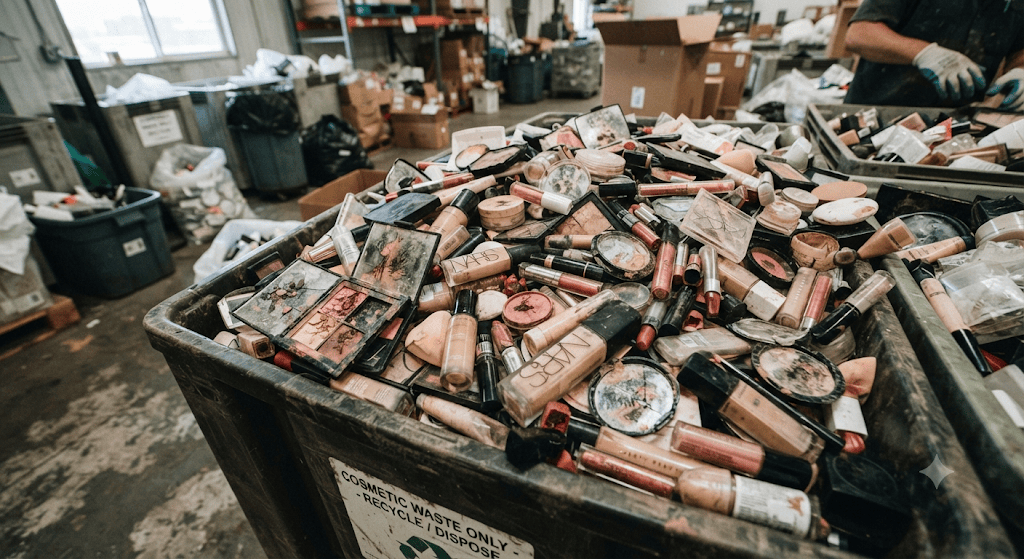
Skincare and makeup packaging is notoriously hard to recycle. Small plastic components, mixed materials (like a plastic tube with a metal cap), and leftover product residue mean most beauty packaging never actually makes it through standard recycling systems, even when it carries a recycling symbol.

The “Empties” Culture

Social media has turned finishing a product into content — “empties” videos and hauls celebrate rapid consumption as a lifestyle. This normalizes buying and discarding at a pace that has little to do with actual need, driven more by trend cycles than genuinely running out of something.

Ingredients Have a Footprint Too

Beyond packaging, many beauty ingredients carry their own environmental cost — palm oil linked to deforestation, mica linked to unregulated mining, and synthetic microbeads that persist in waterways long after they’re washed down the drain.

Expiry-Driven Waste

Skincare and makeup have shorter shelf lives than most products people own, and much of what’s purchased is never fully used before it expires or goes out of trend. Half-used products piling up in drawers is its own quiet form of waste.

What a Lighter Beauty Routine Looks Like

  • Buy what you’ll actually finish, not what’s trending this week
  • Choose multi-use products over single-purpose items that duplicate what you already own
  • Look for refillable packaging, which is slowly becoming more available from larger brands
  • Support brands with take-back or recycling programs, where empties are collected and properly processed
  • Resist the urge to constantly rotate — a smaller, well-used collection beats a large, half-finished one

Bottom Line

Beauty products aren’t going away, and they don’t need to. But the pace at which they’re bought, used, and discarded is where the real environmental cost lies. A slower, more intentional approach to skincare and makeup doesn’t mean giving anything up — it just means using what you already have a little more fully before reaching for the next thing.

How to Make Your Periods More Eco-Friendly (Menstrual Cups, Cloth Pads & More)

Somewhere between the ages of thirteen and now, most of us have gone through hundreds, maybe thousands, of disposable pads or tampons without ever really pausing to think about where they end up. I didn’t either — until I actually sat down and did the math on how much plastic one period alone quietly generates, month after month, year after year.

That math is what nudged me toward switching things up. It wasn’t overnight, and it wasn’t perfect. But here’s what I’ve learned along the way.

Why this even matters

A single disposable pad can contain the plastic equivalent of about four plastic bags, and most take centuries to break down. Multiply that by a lifetime of periods, and the number gets uncomfortable fast. None of this is said to guilt anyone — most of us were just never given other options growing up. But once you know better options exist, it’s worth at least knowing what they are.

Menstrual Cups

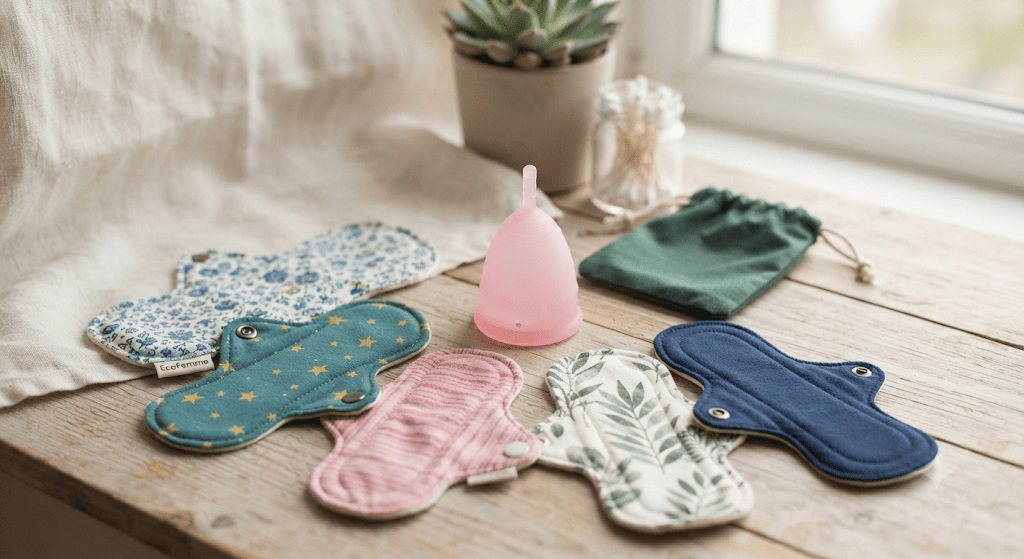
This was the one I was most nervous about, and also the one that ended up changing the most for me. A menstrual cup is a small, flexible silicone cup that collects (rather than absorbs) flow, and can be worn for up to 8-12 hours depending on flow. One cup, with proper care, lasts several years — which means the “waste” from years of periods shrinks down to essentially one small object.

The learning curve is real for the first cycle or two — figuring out folding techniques, finding the right size, getting comfortable with insertion and removal. I won’t pretend that part was smooth. But by the second cycle, it stopped feeling unfamiliar, and by the third, I couldn’t imagine going back.

Reusable Cloth Pads

For days when a cup doesn’t feel right, or for anyone easing in more gradually, cloth pads are a solid middle step. They work exactly like disposable pads but are washable and reusable for years. A lot of brands now make ones with the same wings, absorbency levels, and comfort you’d expect from disposable versions — the only extra step is a quick rinse and wash after use.

Period Underwear

This one requires zero adjustment period (no pun intended). It looks and wears like regular underwear but has built-in absorbent layers. It’s especially useful for lighter days, overnight wear, or as backup alongside a cup. For anyone hesitant to jump straight into cups, this is often the gentlest starting point.

What I’d tell someone just starting out

Start with one switch, not all of them at once. Trying to overhaul your entire routine in one cycle is a fast way to feel overwhelmed and give up. Pick the option that feels least intimidating and let that be the only change for a cycle or two.

Give it more than one try. The first cycle with a cup or cloth pad is rarely the smoothest — that’s normal, not a sign it’s “not for you.” Most of the discomfort is about unfamiliarity, not the product itself.

It’s okay to mix and match. You don’t have to pick just one. Plenty of people use a cup for heavy days, period underwear for light days, and keep a couple of disposables around for emergencies. Sustainability doesn’t require perfection — it just asks for a direction.

The bigger picture

Switching how you manage your period isn’t going to single-handedly fix a global waste problem, and it doesn’t need to be framed that way to be worth doing. It’s a small, personal choice that adds up over a lifetime — less waste, less recurring cost, and for a lot of people, honestly, more comfort once the adjustment period (again, no pun intended) is over.

Have you tried any of these? I’d genuinely love to hear what worked or didn’t for you.